

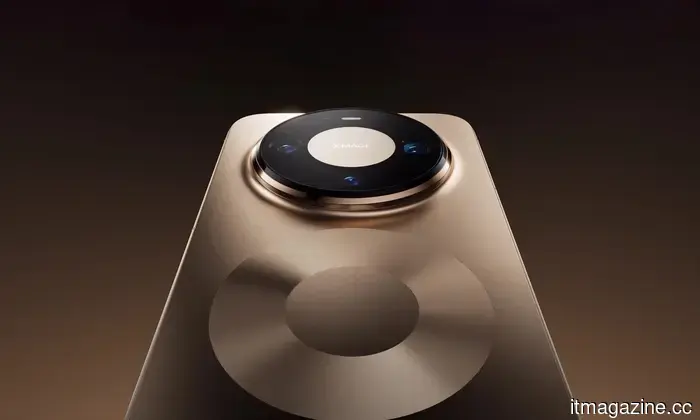
Huawei is said to be experimenting with new technology for its largest smartphone battery to date.
Huawei may be venturing into power-bank territory with phone batteries.
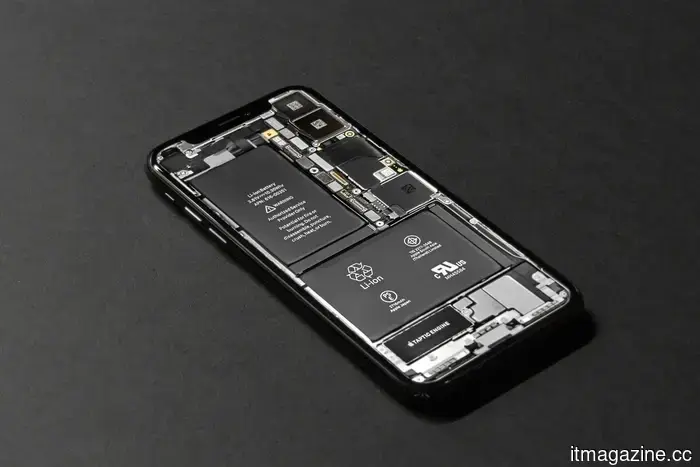
While Apple and Samsung generally continue to utilize traditional lithium-ion batteries, Chinese smartphone manufacturers have rapidly adopted silicon-carbon cells. This transition has enabled them to incorporate larger batteries in devices without significantly increasing thickness.
As a result, several models equipped with exceptionally large batteries, such as 8,500mAh and even 10,000mAh units, are currently available on the market. Now, it appears that Huawei is developing a smartphone that could feature an even larger battery.
Could Huawei exceed the 10,000mAh mark for phone batteries?
According to the insider Digital Chat Station, Huawei is experimenting with “a new battery material” and “a new battery system” that might allow smartphone batteries to surpass the 10,000mAh threshold. The specific chemistry and design details haven't been disclosed, so this information should be regarded as an early leak.
Another insider has indicated (via HuaweiCentral) that Huawei, Honor, Xiaomi, and other brands are investigating double-layer coating technology. This might be one of the approaches used for future high-capacity smartphone batteries, although it has yet to be confirmed whether Huawei's leaked battery system is utilizing this method.
What is double-layer coating battery technology?
Double-layer coating is still relatively novel in large-scale commercial applications. Currently, battery manufacturers are testing and improving it for electric vehicles, aiming for better range, faster charging, extended battery life, and enhanced safety.
Double-layer coating modifies the electrode manufacturing process by layering active materials in two distinct layers rather than one. The lower layer is engineered for greater compaction density, promoting stable capacity. The upper layer facilitates faster movement of lithium ions, potentially improving charging speed. In combination, this method could enhance energy density, charging performance, and battery longevity.
Should Huawei succeed in integrating this technology into smartphones, initial implementations may appear in mid-range devices before being included in higher-end Mate or Pura models. Smartphone manufacturers typically experiment with new battery designs on lower-risk products first, where expectations related to premium materials, camera technology, weight distribution, and long-term reliability are somewhat less stringent.
---
Samsung’s One UI 8.5 has complicated the process of checking free storage, turning what used to be straightforward into a confusing challenge.
With its latest significant software update, Samsung introduced a small yet frustrating change to One UI, which has left Galaxy users irritated. The One UI 8.5 update removed the available storage indicator from the Device Care menu, leaving users to see only the total storage capacity and used space without a clear display of the remaining free space.
Reason for Galaxy users' frustration with this update.
---
Android's new Pause Point feature adds a 10-second delay before opening distracting apps, prompting users to reconsider their choices.
Google is unveiling a new tool called Pause Point, part of Android's Digital Wellbeing suite, which interrupts aimless scrolling with a 10-second pause before accessing a potentially distracting app.
A balance between timers and restrictions.
---
Android 17 will enhance user control over apps that may be tracking their location in the background.
Google is set to introduce a new location button, contact picker, and improved theft protection features in Android 17.
Along with the latest scam protection updates, Google announced a range of privacy and theft protection enhancements for Android during the Android Show I/O Edition. These updates provide users with more control over which apps can access their location and contacts, as well as new tools designed to make stolen devices harder to access and easier to recover, ensuring user data remains private.





Other articles
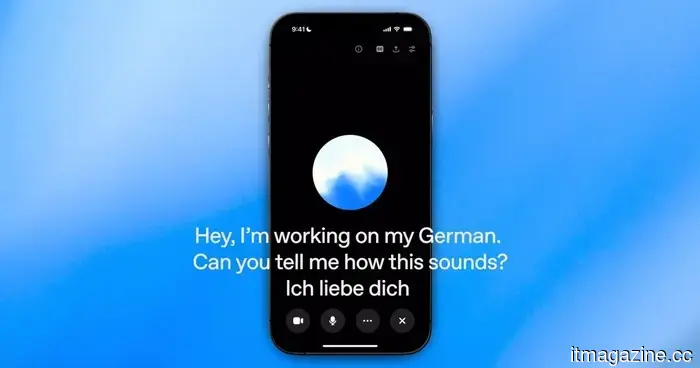 AI voice conversations often come across as uncomfortable because assistants struggle with timing their responses.
Thinking Machines Lab is evaluating full duplex AI capable of listening and responding simultaneously, but the true assessment will be how beneficial faster voice conversations seem once individuals have the opportunity to experience them.
AI voice conversations often come across as uncomfortable because assistants struggle with timing their responses.
Thinking Machines Lab is evaluating full duplex AI capable of listening and responding simultaneously, but the true assessment will be how beneficial faster voice conversations seem once individuals have the opportunity to experience them.
 This Android Auto update aims to alter your driving habits and the way you interact with your vehicle.
Android Auto is set to receive a significant update that extends beyond mere design changes, offering improved navigation, enhanced entertainment options, and a more supportive driving experience.
This Android Auto update aims to alter your driving habits and the way you interact with your vehicle.
Android Auto is set to receive a significant update that extends beyond mere design changes, offering improved navigation, enhanced entertainment options, and a more supportive driving experience.
 This update to Android Auto aims to alter the way you operate your vehicle and interact with it.
Android Auto is undergoing a significant enhancement that extends beyond mere design changes, offering improved navigation, enhanced entertainment options, and a more supportive driving experience.
This update to Android Auto aims to alter the way you operate your vehicle and interact with it.
Android Auto is undergoing a significant enhancement that extends beyond mere design changes, offering improved navigation, enhanced entertainment options, and a more supportive driving experience.
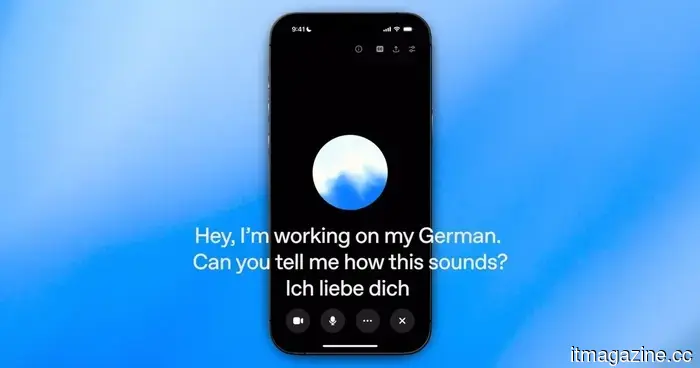 AI voice chats often feel uncomfortable because the assistants struggle to determine when to speak.
Thinking Machines Lab is experimenting with full duplex AI that can both listen and reply simultaneously, but the true evaluation will be whether quicker voice conversations feel beneficial when people get the chance to use them.
AI voice chats often feel uncomfortable because the assistants struggle to determine when to speak.
Thinking Machines Lab is experimenting with full duplex AI that can both listen and reply simultaneously, but the true evaluation will be whether quicker voice conversations feel beneficial when people get the chance to use them.
 The release date for season 3 of The Rings of Power has been announced, and the One Ring will be making its appearance sooner than anticipated.
Prime Video has announced the release date for season 3 of Rings of Power, featuring new cast members and the introduction of the One Ring into the narrative.
The release date for season 3 of The Rings of Power has been announced, and the One Ring will be making its appearance sooner than anticipated.
Prime Video has announced the release date for season 3 of Rings of Power, featuring new cast members and the introduction of the One Ring into the narrative.
 Google has significantly improved Gemini for Home, enhancing its ability to manage your smart home.
Google has launched a new update for Gemini for Home that features a more intelligent camera search, quicker device controls, enhanced onboarding, and various improvements to the Google Home app.
Google has significantly improved Gemini for Home, enhancing its ability to manage your smart home.
Google has launched a new update for Gemini for Home that features a more intelligent camera search, quicker device controls, enhanced onboarding, and various improvements to the Google Home app.
Huawei is said to be experimenting with new technology for its largest smartphone battery to date.
A recent leak suggests that Huawei is exploring new battery materials and designs that may allow smartphone capacities to exceed 10,000mAh.