
Huawei is said to be experimenting with new technology for its largest phone battery to date.
Huawei might be venturing into the power-bank realm with phone batteries.
While Apple and Samsung have primarily remained with traditional lithium-ion batteries, Chinese smartphone manufacturers are quickly adopting silicon-carbon cells. This advancement has enabled them to incorporate larger batteries into their devices without noticeably increasing thickness.
As a result, smartphones featuring exceptionally large batteries, such as 8,500mAh and even 10,000mAh capacities, are already available. Now, Huawei is reportedly developing a smartphone with an even larger battery.
Could Huawei take smartphone batteries beyond 10,000mAh?
As per insider Digital Chat Station, Huawei is experimenting with “a new battery material” and “a new battery system” that might push smartphone batteries past the 10,000mAh threshold. The specific chemistry and design details have not been shared, so this should be viewed as preliminary information.
Another Chinese insider has indicated (through HuaweiCentral) that brands like Huawei, Honor, Xiaomi, and others are investigating double-layer coating technology. This might be one of the techniques applied in future high-capacity smartphone batteries, although it hasn't been confirmed that Huawei's rumored battery system is utilizing this method.
What is double-layer coating battery technology?
Double-layer coating is still a relatively new concept in extensive commercial application. Battery manufacturers are testing and refining this technology for electric vehicles, with goals focused on improved range, faster charging, extended battery life, and enhanced safety.
Double-layer coating alters the electrode manufacturing process by applying active materials in two layers instead of one. The bottom layer is purposed for greater compaction density, which helps to sustain stable capacity. Meanwhile, the top layer facilitates quicker movement of lithium ions, which could enhance charging speed. Together, this method may boost energy density, charging efficiency, and overall battery lifespan.
If Huawei successfully integrates this technology into smartphones, initial versions might appear in mid-range devices before reaching premium Mate or Pura models. Often, smartphone brands first test new battery designs in lower-risk products, where the expectations for premium materials, camera quality, weight distribution, and long-term reliability are somewhat less stringent.
Samsung’s One UI 8.5 has made checking free storage more complicated, as math seems to be an added feature now. The latest major update to One UI has introduced a minor adjustment that has left Galaxy users feeling frustrated. The One UI 8.5 update removed the indicator for available storage from the Device Care menu, so now users can only view the total storage capacity and current usage, without a clear display of the remaining free space.
Why this update has frustrated Galaxy users.
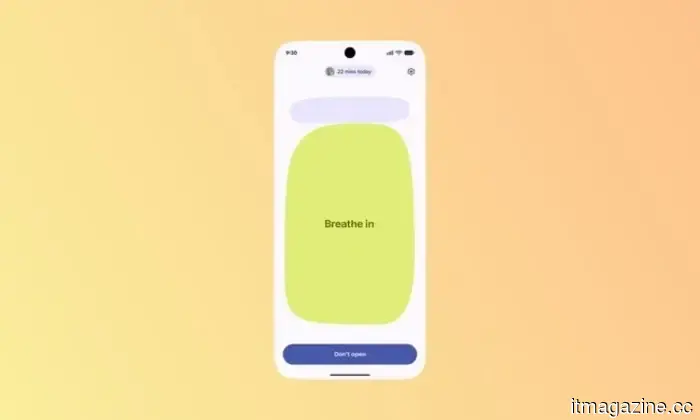
Google is introducing a new feature called Pause Point in Android's Digital Wellbeing suite that places a 10-second hold before opening a distracting app, encouraging you to reconsider. This feature serves as a middle ground between timers and app restrictions.
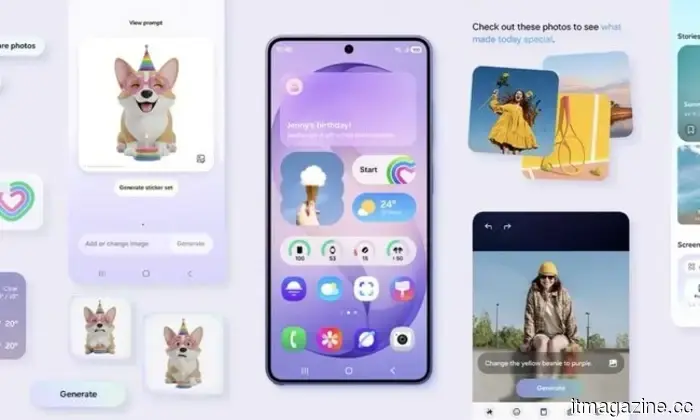
In Android 17, Google will facilitate stopping apps from discreetly tracking your location in the background. Along with new scam protection measures, Google has unveiled additional privacy and theft protection features for Android at the Android Show I/O Edition. From giving users more control over which apps can access their location and contacts to new tools to make stolen phones more difficult to unlock and easier to retrieve, these updates empower Android users regarding their personal data.
Your location and contacts remain under your control.


Other articles
 OpenAI introduces Daybreak to compete with Anthropic’s Mythos in cyber defense.
OpenAI's newly launched Daybreak platform combines GPT-5.5 with Codex Security to compete against Anthropic's Mythos in AI-driven cybersecurity.
OpenAI introduces Daybreak to compete with Anthropic’s Mythos in cyber defense.
OpenAI's newly launched Daybreak platform combines GPT-5.5 with Codex Security to compete against Anthropic's Mythos in AI-driven cybersecurity.
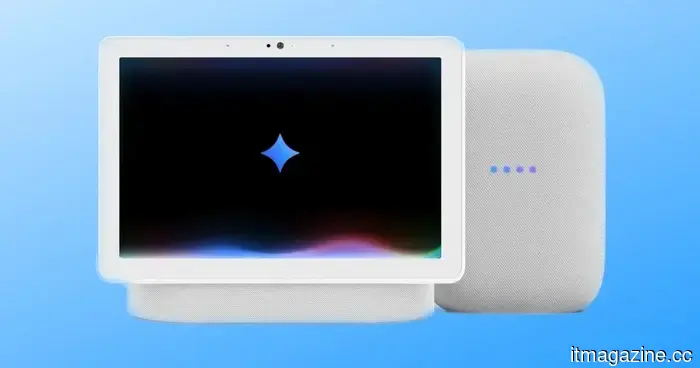 Google has significantly improved Gemini for Home, enhancing its ability to manage your smart home.
Google has released a new update for Gemini in Home, featuring enhanced camera search capabilities, quicker device controls, improved onboarding, and various upgrades to the Google Home app.
Google has significantly improved Gemini for Home, enhancing its ability to manage your smart home.
Google has released a new update for Gemini in Home, featuring enhanced camera search capabilities, quicker device controls, improved onboarding, and various upgrades to the Google Home app.
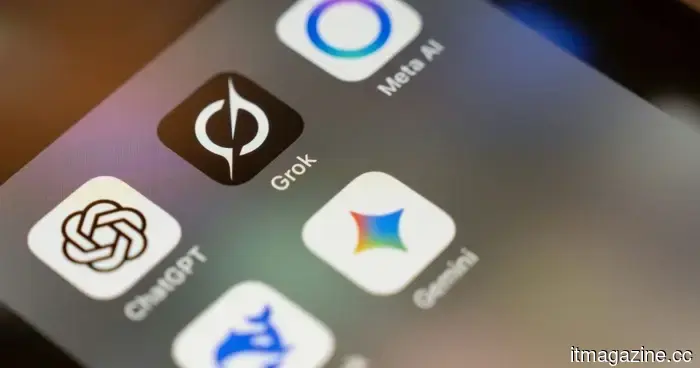 Claude has just assumed control of the data center that Grok needed the most.
Anthropic's partnership with SpaceX significantly enhances Claude's computing power from the Memphis data center, which xAI arguably needed the most. This highlights how critically infrastructure impacts the competition between Grok and its competitors.
Claude has just assumed control of the data center that Grok needed the most.
Anthropic's partnership with SpaceX significantly enhances Claude's computing power from the Memphis data center, which xAI arguably needed the most. This highlights how critically infrastructure impacts the competition between Grok and its competitors.
 GM terminates 600 IT employees as it transitions to software-defined vehicles, reallocating skills towards AI development.
General Motors is reducing its IT workforce by 500-600 employees and bringing on board engineers skilled in AI. The company is stepping back from electric vehicles and robotaxis, instead focusing more on AI-driven software-defined vehicles.
GM terminates 600 IT employees as it transitions to software-defined vehicles, reallocating skills towards AI development.
General Motors is reducing its IT workforce by 500-600 employees and bringing on board engineers skilled in AI. The company is stepping back from electric vehicles and robotaxis, instead focusing more on AI-driven software-defined vehicles.
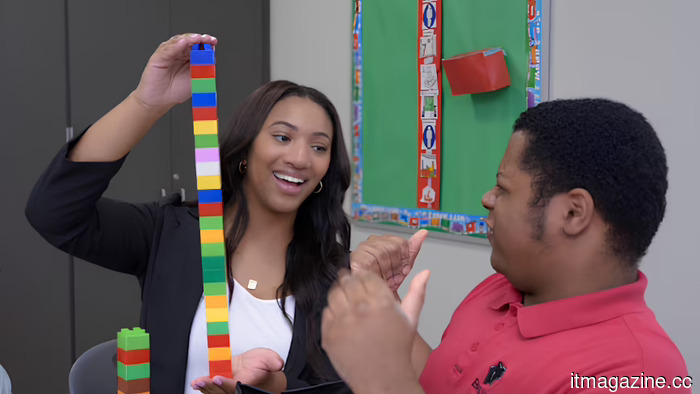 How apprenticeship programs are broadening access to job opportunities
Craft Education and WGU are collaborating to broaden apprenticeship degree options that integrate paid employment, hands-on training, and academic advancement in areas such as education and nursing.
How apprenticeship programs are broadening access to job opportunities
Craft Education and WGU are collaborating to broaden apprenticeship degree options that integrate paid employment, hands-on training, and academic advancement in areas such as education and nursing.
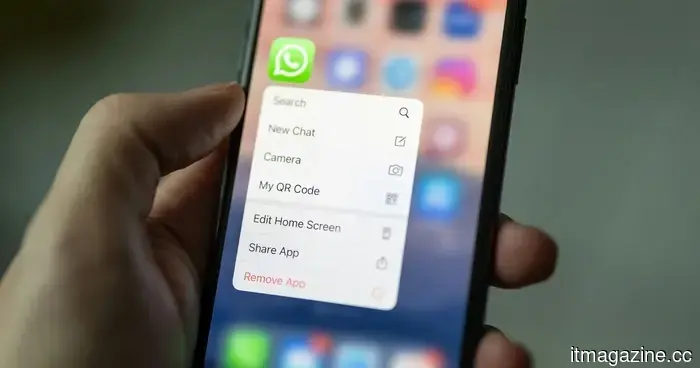 WhatsApp is receiving a stunning Liquid Glass makeover in iOS 26, and it looks unexpectedly beautiful.
WhatsApp is implementing its iOS 26 Liquid Glass redesign for select users, introducing see-through tabs, revamped buttons, enhanced animations, and redesigned menus.
WhatsApp is receiving a stunning Liquid Glass makeover in iOS 26, and it looks unexpectedly beautiful.
WhatsApp is implementing its iOS 26 Liquid Glass redesign for select users, introducing see-through tabs, revamped buttons, enhanced animations, and redesigned menus.
Huawei is said to be experimenting with new technology for its largest phone battery to date.
A recent leak suggests that Huawei is testing new battery materials and designs that may allow smartphone capacity to exceed 10,000mAh.