
This update to Android Auto aims to alter the way you operate your vehicle and interact with it.
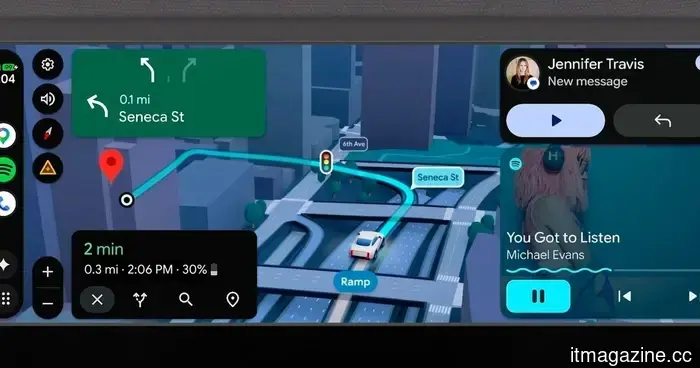
I use Android Auto daily, and it now feels like a quiet co-driver on my dashboard. That's why this upcoming update from Google is significant. It's not merely a visual adjustment; it's a comprehensive restructuring of how Android Auto should function in a contemporary vehicle. The most notable change is the design. Google is integrating its Material 3 Expressive design style from smartphones into cars, resulting in a more modern and fluid appearance with expressive fonts, smoother animations, and even wallpaper support. This enhancement should make the entire interface feel less rigid and more vibrant while driving.
Widgets finally give Android Auto a more practical glanceable information feature.
What really stood out to me, however, is the introduction of widgets. Android Auto is finally embracing glanceable information in a substantial manner. You can now quickly access weather updates or tap a widget to manage smart home functions, like opening your garage door as you arrive. It's a small feature, but it significantly enhances daily use of the system.
Google Maps is also set for a significant update with a feature called Immersive Navigation. This is where the experience starts to feel truly next-gen. Maps will now provide a more realistic 3D representation of your surroundings, including buildings, overpasses, and terrain. Additionally, it will highlight traffic signals, stop signs, and lane specifics, making complex turns and highway merges considerably less daunting.
Transforming your vehicle into a mini theater when parked.
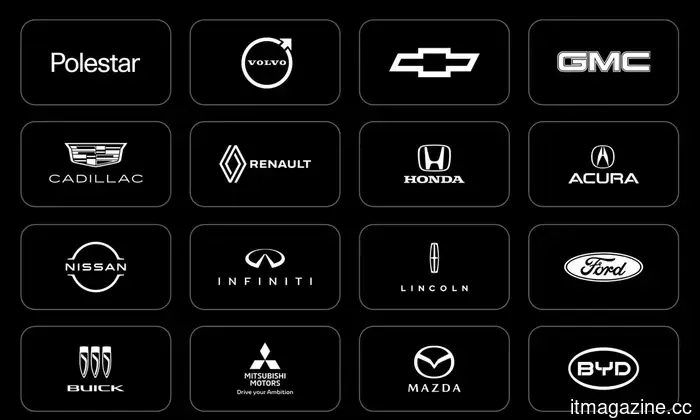
Then there’s the entertainment aspect, which brings some surprises. Google is introducing a more relaxed experience for parked cars with Android Auto, effectively turning your dashboard into a mini theatre. When your car is stationary, apps like YouTube will allow full HD playback at up to 60 fps on compatible vehicles from brands such as BMW, Hyundai, Kia, Tata, Renault, and Mercedes-Benz. Importantly, Google is prioritizing safety; once the vehicle is in motion, supported apps will automatically shift to audio-only mode to prevent video distractions.
Audio experiences are also being enhanced. Android Auto will soon offer spatial sound with Dolby Atmos in compatible apps and vehicles, making in-car listening significantly more immersive.
On the AI front, Google is fully investing in Gemini. The goal is to make Android Auto more conversational. You will be able to brainstorm ideas, gather information, and manage tasks using voice commands while driving. Features like Magic Cue will highlight quick actions for incoming messages, while integrations such as DoorDash ordering aim to streamline everyday tasks. Even meeting apps like Zoom are being incorporated into the driving experience, depending on rollout and region. Gemini is also being positioned as a type of car assistant; if a warning light appears on your dashboard, you can inquire about its meaning instead of becoming confused or searching forums at a stoplight.
All these developments suggest that Android Auto is gradually evolving into something much more functional than just a mirror for your phone. I’m genuinely eager to see how smoothly this all works in real life, especially before I start relying on it for anything beyond music and navigation.
Other articles
 How apprenticeship programs are broadening access to job opportunities
Craft Education and WGU are collaborating to broaden apprenticeship degree options that integrate paid employment, hands-on training, and academic advancement in areas such as education and nursing.
How apprenticeship programs are broadening access to job opportunities
Craft Education and WGU are collaborating to broaden apprenticeship degree options that integrate paid employment, hands-on training, and academic advancement in areas such as education and nursing.
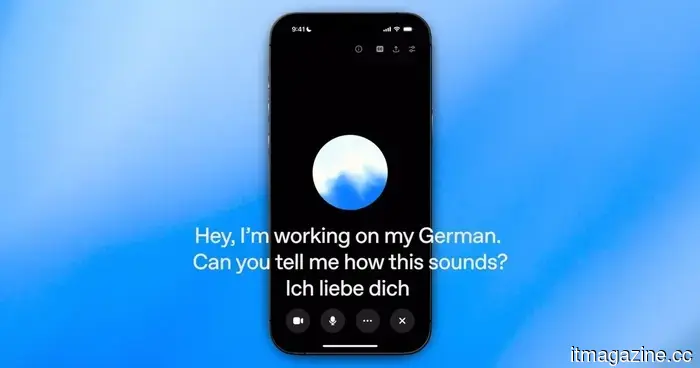 AI voice chats often feel uncomfortable because the assistants struggle to determine when to speak.
Thinking Machines Lab is experimenting with full duplex AI that can both listen and reply simultaneously, but the true evaluation will be whether quicker voice conversations feel beneficial when people get the chance to use them.
AI voice chats often feel uncomfortable because the assistants struggle to determine when to speak.
Thinking Machines Lab is experimenting with full duplex AI that can both listen and reply simultaneously, but the true evaluation will be whether quicker voice conversations feel beneficial when people get the chance to use them.
 The release date for season 3 of The Rings of Power has been announced, and the One Ring will be making its appearance sooner than anticipated.
Prime Video has announced the release date for season 3 of Rings of Power, featuring new cast members and the introduction of the One Ring into the narrative.
The release date for season 3 of The Rings of Power has been announced, and the One Ring will be making its appearance sooner than anticipated.
Prime Video has announced the release date for season 3 of Rings of Power, featuring new cast members and the introduction of the One Ring into the narrative.
 Asus ProArt PX13 GoPro Edition review: The sole laptop that has managed to entice me away from Apple.
Equipped with an AMD Ryzen AI Max+ 395 processor and an impressive 128GB of RAM, the Asus ProArt PX13 GoPro Edition PX13 aims to be the ideal companion for creators — albeit at a significant cost!
Asus ProArt PX13 GoPro Edition review: The sole laptop that has managed to entice me away from Apple.
Equipped with an AMD Ryzen AI Max+ 395 processor and an impressive 128GB of RAM, the Asus ProArt PX13 GoPro Edition PX13 aims to be the ideal companion for creators — albeit at a significant cost!
 Huawei is said to be experimenting with new technology for its largest smartphone battery to date.
A recent leak suggests that Huawei is exploring new battery materials and designs that may allow smartphone capacities to exceed 10,000mAh.
Huawei is said to be experimenting with new technology for its largest smartphone battery to date.
A recent leak suggests that Huawei is exploring new battery materials and designs that may allow smartphone capacities to exceed 10,000mAh.
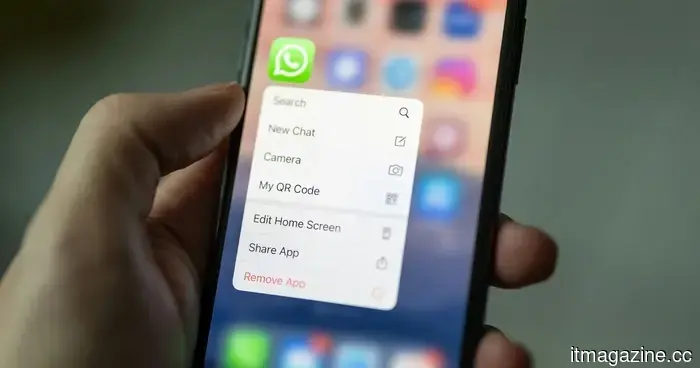 WhatsApp is receiving a stunning Liquid Glass makeover in iOS 26, and it looks unexpectedly beautiful.
WhatsApp is implementing its iOS 26 Liquid Glass redesign for select users, introducing see-through tabs, revamped buttons, enhanced animations, and redesigned menus.
WhatsApp is receiving a stunning Liquid Glass makeover in iOS 26, and it looks unexpectedly beautiful.
WhatsApp is implementing its iOS 26 Liquid Glass redesign for select users, introducing see-through tabs, revamped buttons, enhanced animations, and redesigned menus.
This update to Android Auto aims to alter the way you operate your vehicle and interact with it.
Android Auto is undergoing a significant enhancement that extends beyond mere design changes, offering improved navigation, enhanced entertainment options, and a more supportive driving experience.