
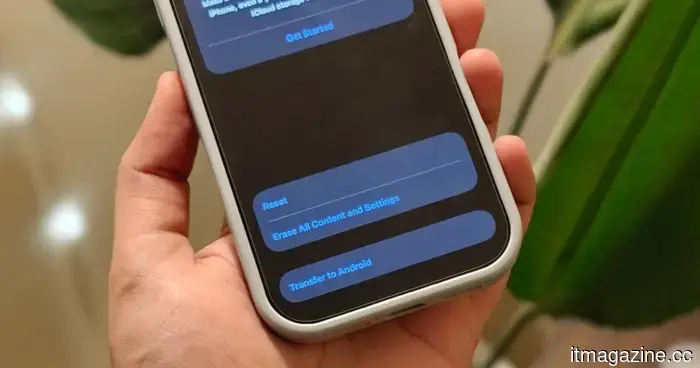
Android and iPhone are becoming increasingly similar, which may alter the way you switch between the two.
Shimul Sood / Digital Trends
I can completely empathize with the annoyance of attempting to share files or photos between an Android device and an iPhone or MacBook. I've experienced that frustration myself, and honestly, it can lead you to second-guess your decisions during the transfer process. Eventually, I started to avoid it altogether because the hassle outweighed the actual task.
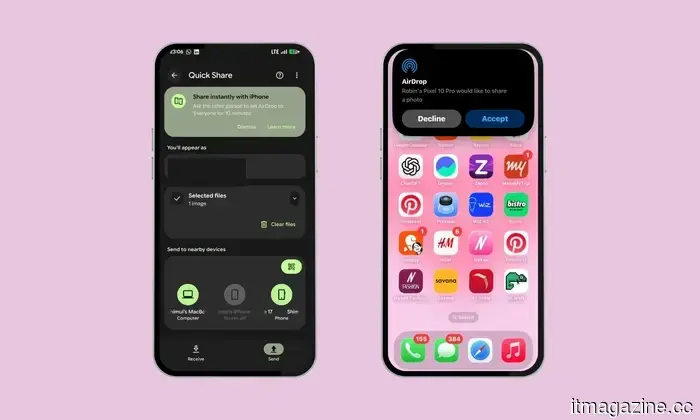
This is precisely the issue that Android has been addressing, and to its credit, it is making significant strides. One of the notable advancements is that Quick Share is now compatible with Apple’s AirDrop. What once felt like two entirely distinct worlds can now—at least theoretically—communicate more seamlessly. Google initially launched this feature on Pixel devices and has since extended support to partners like Samsung, OPPO, OnePlus, and Vivo, among others.
Your data might finally endure the big phone transition
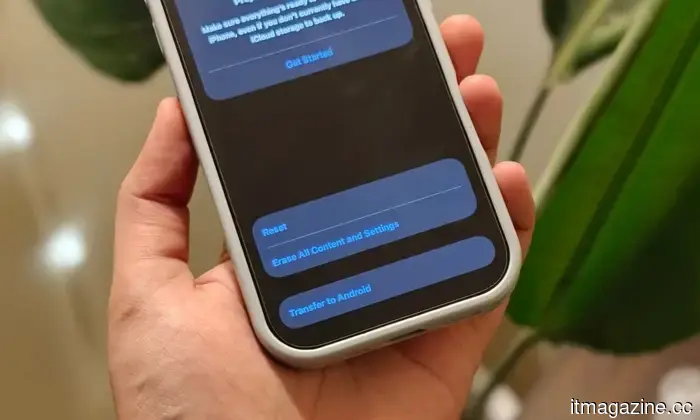
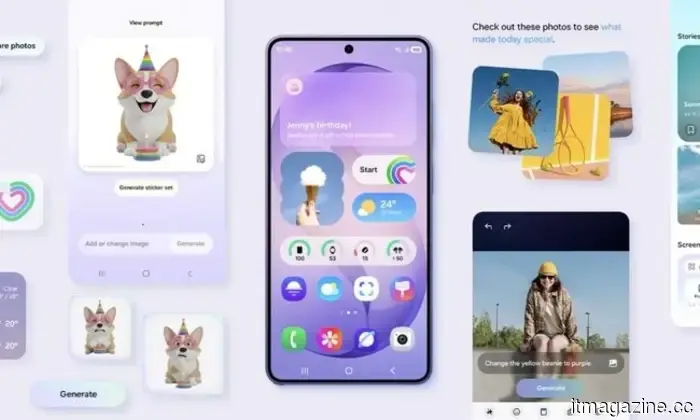
However, the larger transformation extends beyond just file sharing. Google has collaborated with Apple to streamline the overall process of transitioning from iOS to Android. This aspect feels truly significant. Changing phones used to entail a loss of continuity—photos scattered, forgotten passwords, and lost app configurations. Now, the goal is to transfer your data more smoothly: photos, passwords, favorite apps, and even your home screen layout can travel with you, much like switching between iPhones.
Shimul Sood / Digital Trends
There’s also the addition of eSIM transfer, which quietly eliminates another troublesome step during the transition. According to Google, this enhanced wireless transfer experience will be available on Samsung Galaxy and Pixel devices later this year. If it functions as intended, moving between ecosystems may finally feel less like a major migration and more like simply switching to a new phone.
Shimul is a contributor at Digital Trends, boasting over five years of experience in the tech industry.
Samsung’s One UI 8.5 complicates the task of checking free storage, as it seems math has now become a feature
One UI 8.5 has unexpectedly made life a bit more challenging for users
With its latest significant software update, Samsung has introduced a minor change to One UI that has left Galaxy users feeling quite frustrated. The One UI 8.5 update has eliminated the available storage indicator from the Device Care menu. Now, users can only view the total storage capacity and the amount of space being used, without a clear indication of the free space remaining.
Reasons behind the frustration among Galaxy users
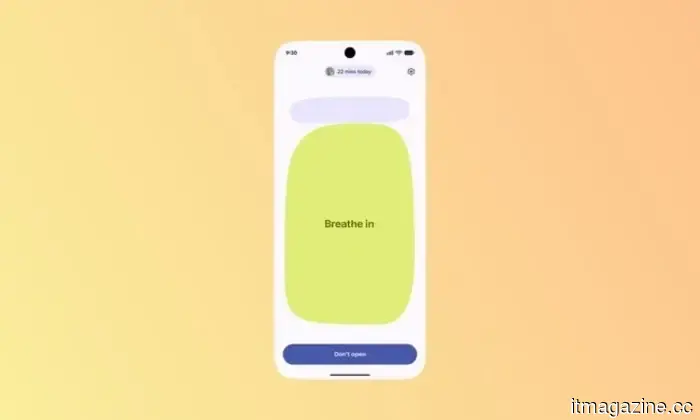
Android introduces a new Pause Point feature that adds a 10-second delay between you and mindless scrolling
Pause Point offers a brief opportunity to reconsider accessing a distracting app, complete with built-in breathing exercises and alternative suggestions.
Google is integrating a new tool called Pause Point into Android's Digital Wellbeing suite, which interrupts mindless scrolling with a 10-second break before opening a distracting app.
A compromise between timers and lockouts
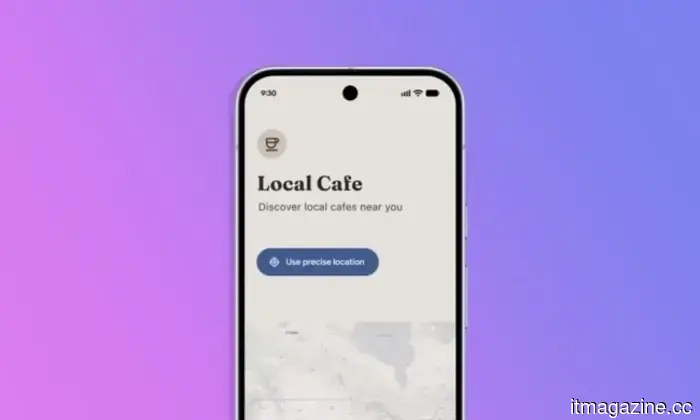
Android 17 enhances user control over app background location tracking
Google is launching a new location button, contact picker, and improved theft protections with Android 17.
Along with new scam protection measures, Google has announced a new set of privacy and theft protection enhancements for Android at the Android Show I/O Edition today. These updates include more precise control over which apps can access your location and contacts, as well as new tools to make stolen phones more difficult to access and easier to recover. This gives Android users greater authority over their personal data.
Your location and contacts remain private.

Other articles
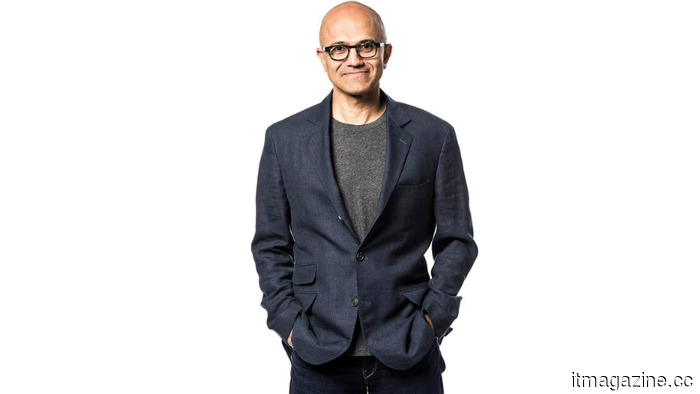 Nadella was concerned that Microsoft might end up being 'the next IBM' following the unveiling of a $92 billion return projection for OpenAI during the trial.
Microsoft CEO Satya Nadella stated during the Musk v. Altman trial that he was concerned his company might follow in IBM's footsteps. A memo from Brad Smith estimated that OpenAI's $13 billion investment could yield a $92 billion return.
Nadella was concerned that Microsoft might end up being 'the next IBM' following the unveiling of a $92 billion return projection for OpenAI during the trial.
Microsoft CEO Satya Nadella stated during the Musk v. Altman trial that he was concerned his company might follow in IBM's footsteps. A memo from Brad Smith estimated that OpenAI's $13 billion investment could yield a $92 billion return.
 Bristol Myers Squibb has finalized a $15.2 billion agreement for a pharmaceutical collaboration with China's Hengrui as the threat of patent expirations approaches.
BMS is set to pay Hengrui $15.2 billion for 13 early-stage drugs in the fields of oncology and immunology. This agreement highlights how the patent cliff faced by Big Pharma has rendered Chinese innovation essential.
Bristol Myers Squibb has finalized a $15.2 billion agreement for a pharmaceutical collaboration with China's Hengrui as the threat of patent expirations approaches.
BMS is set to pay Hengrui $15.2 billion for 13 early-stage drugs in the fields of oncology and immunology. This agreement highlights how the patent cliff faced by Big Pharma has rendered Chinese innovation essential.
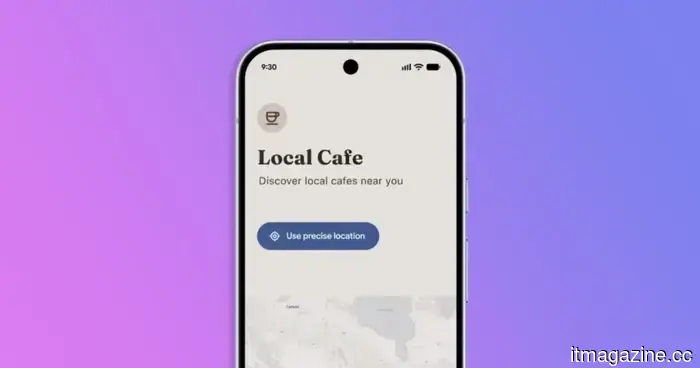 Android 17 will simplify the process of preventing apps from discreetly tracking your location while running in the background.
Today at the Android Show I/O Edition, Google revealed a new series of updates for Android 17 focused on privacy and theft protection, featuring a new location button that automatically removes an app's access to your exact location when you close it.
SAP introduces the Autonomous Enterprise featuring over 200 AI agents and a partnership with Anthropic at Sapphire 2026.
SAP introduced the Autonomous Enterprise during Sapphire 2026, incorporating over 200 AI agents in finance, supply chain, and HR, and collaborating with Anthropic. Its stock has declined by 41%.
n8n integrated within SAP Joule Studio as an AI orchestration layer, leading to a valuation increase to $5.2 billion.
SAP has integrated n8n within Joule Studio to link its 200 AI agents with non-SAP systems. The Berlin-based workflow automation startup is currently the most valuable AI company in Germany.
Android 17 will simplify the process of preventing apps from discreetly tracking your location while running in the background.
Today at the Android Show I/O Edition, Google revealed a new series of updates for Android 17 focused on privacy and theft protection, featuring a new location button that automatically removes an app's access to your exact location when you close it.
SAP introduces the Autonomous Enterprise featuring over 200 AI agents and a partnership with Anthropic at Sapphire 2026.
SAP introduced the Autonomous Enterprise during Sapphire 2026, incorporating over 200 AI agents in finance, supply chain, and HR, and collaborating with Anthropic. Its stock has declined by 41%.
n8n integrated within SAP Joule Studio as an AI orchestration layer, leading to a valuation increase to $5.2 billion.
SAP has integrated n8n within Joule Studio to link its 200 AI agents with non-SAP systems. The Berlin-based workflow automation startup is currently the most valuable AI company in Germany.
Android and iPhone are becoming increasingly similar, which may alter the way you switch between the two.
Transferring from Android to iPhone is beginning to feel less chaotic and more like simply copying, pasting, and finishing.