
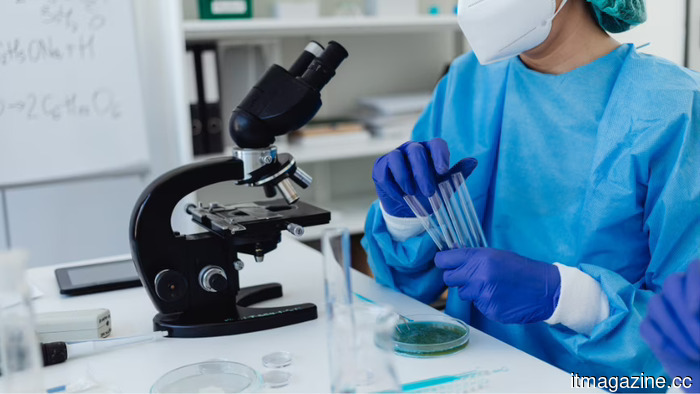
Bristol Myers Squibb has finalized a $15.2 billion agreement for a pharmaceutical collaboration with China's Hengrui as the threat of patent expirations approaches.
**Summary:** Bristol Myers Squibb has entered into a $15.2 billion agreement with Hengrui Medicine of China to collaborate on 13 early-stage drug programs. This move comes as the pharmaceutical industry faces a significant revenue loss due to expiring patents, making Chinese innovation a crucial avenue for survival, despite ongoing efforts to separate the biotech sectors of the U.S. and China.
Bristol Myers Squibb (BMS) has signed a deal worth up to $15.2 billion with Jiangsu Hengrui Medicine, the largest pharmaceutical firm in China by market capitalization. This agreement involves 13 early-stage drug programs focused on oncology, hematology, and immunology, none of which have yet progressed to human clinical trials. The announcement coincided with President Trump's inaugural state visit to China during his second term, although the timing is purely coincidental while the economic necessity is evident.
BMS is facing a patent cliff, projected to remove approximately $300 billion from global pharmaceutical industry revenues by 2030. Its popular drugs, Opdivo and Eliquis, which together generate over $22 billion annually, are expected to lose exclusivity around 2028. The company urgently needs new drug candidates, which it cannot develop quickly enough by itself, while China presents a promising opportunity.
Under the deal's terms, BMS will pay Hengrui $600 million upfront, $175 million on the first anniversary, and another $175 million in 2028, making a total of $950 million in initial payments. Additional payments, totaling up to $14.25 billion, will be made upon meeting development, regulatory, and commercial milestones. BMS will have exclusive global rights to Hengrui's four oncology and hematology assets outside of mainland China, Hong Kong, and Macau, while Hengrui will receive exclusive rights to four BMS immunology assets within those regions. Additionally, both companies will collaborate on five more programs utilizing Hengrui's discovery systems.
This agreement signifies that BMS is not acquiring Hengrui but rather licensing its research results. The American firm, facing a patent crisis, is paying the Chinese company, which possesses a robust pipeline. The deal is expected to finalize in the third quarter of 2026, pending antitrust reviews, with Hengrui’s stock rising post-announcement while BMS’s shares remained stable.
Hengrui's profile has evolved greatly from a decade ago; it is no longer just a producer of generics. It boasts over 90 therapies in clinical development across 400 trials, including more than 20 international studies. It stands as the only Chinese drug developer in Citeline’s global top 10 pharma pipelines, alongside major companies like Pfizer, Roche, and AstraZeneca. In the first quarter of 2026 alone, its R&D expenses reached over 2.22 billion yuan, constituting 27 percent of its revenue. With 30 drugs commercialized in China and 20 approved in the U.S., EU, and Japan, its market capitalization stands at around $54.6 billion, with a reported profit growth of 21.8 percent in Q1. The pipeline includes areas such as oncology and immunology.
The pharmaceutical industry is currently facing a 'patent cliff' that is not a future concern but is already impacting revenues. BMS reported a slight decline in total revenues for 2025 and expects more significant drops in 2026 due to legacy product losses from increasing generic competition. Although the growth of its portfolio, led by drugs like Opdivo, is generating gains, it must outpace the overall revenue erosion.
BMS is not alone in this predicament; the entire industry is bracing for a loss of over $300 billion in patent protections from 2025 to 2030. Notable drugs like Merck's Keytruda are also hitting their own cliffs, and Pfizer is hustling to launch new treatments to counteract expiring patents. All companies are seeking new molecules to replenish their pipelines, with Chinese firms increasingly supplying those needs.
Recent trends show that AstraZeneca and AbbVie have also made significant agreements with Chinese companies, reflecting a growing reliance on Chinese innovation. In 2025, Chinese firms constituted about one-third of global licensing expenditure, a significant increase from five years before. The average upfront payment for such deals has surged, indicating the end of the bargain era as Chinese companies assert the value of their innovations.
As China narrows the technological gap with the U.S. in sectors like AI, its pharmaceutical research and development capabilities have also surged, surpassing U.S. clinical output for the first time in 2025. Chinese biotechs now lead in AI-driven drug discovery patent filings, producing drug candidates more rapidly and cost-effectively than their Western counterparts.
Despite the passage of the BIOSECURE Act, which aims to limit U.S. government contracts with designated Chinese biotech firms to enhance national security, BMS’s deal with Hengr
Другие статьи
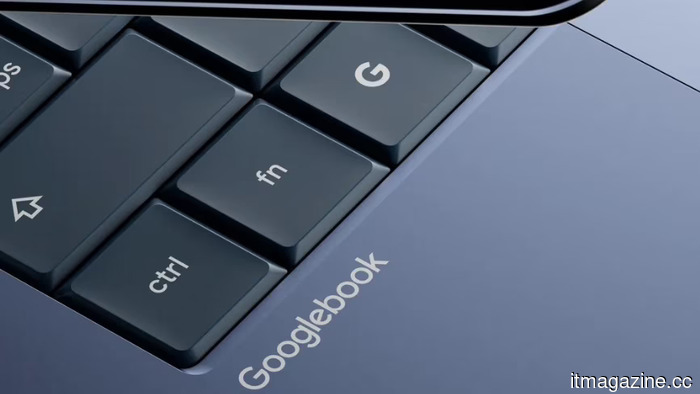 Google представляет Googlebook: ноутбуки с ИИ на базе Android заменяют Chromebooks с Gemini на уровне ОС
Google убил ChromeOS и запустил Googlebook, премиум-ноутбук на Android, где интерфейсом является Gemini. Magic Pointer превращает курсор в AI-агента. Устройства будут отправлены этой осенью.
Google представляет Googlebook: ноутбуки с ИИ на базе Android заменяют Chromebooks с Gemini на уровне ОС
Google убил ChromeOS и запустил Googlebook, премиум-ноутбук на Android, где интерфейсом является Gemini. Magic Pointer превращает курсор в AI-агента. Устройства будут отправлены этой осенью.
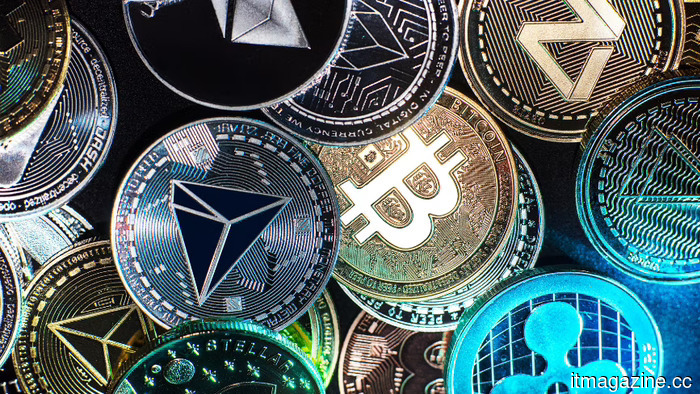 JPMorgan подает заявку на второй токенизированный денежный рынок на Ethereum, поскольку гонка блокчейнов на Уолл-стрит ускоряется
JPMorgan подал заявку на создание второго токенизированного денежного рынка на Ethereum, присоединившись к BlackRock в гонке за создание финансов на основе блокчейна в рамках Закона о гениальности.
JPMorgan подает заявку на второй токенизированный денежный рынок на Ethereum, поскольку гонка блокчейнов на Уолл-стрит ускоряется
JPMorgan подал заявку на создание второго токенизированного денежного рынка на Ethereum, присоединившись к BlackRock в гонке за создание финансов на основе блокчейна в рамках Закона о гениальности.
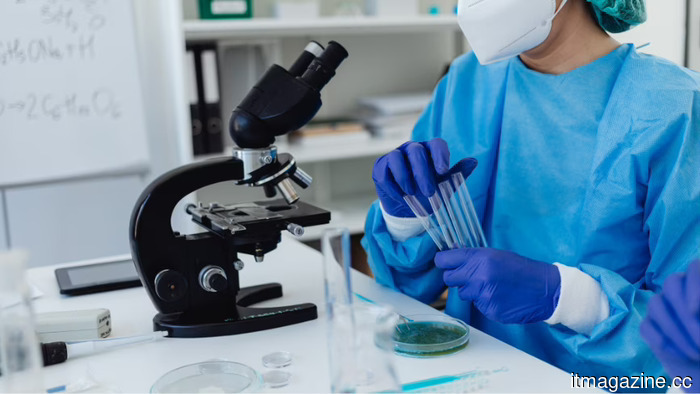 Bristol Myers Squibb подписывает сделку на $15,2 миллиарда с китайской компанией Hengrui на фоне надвигающегося истечения патентов
BMS платит Hengrui 15,2 миллиарда долларов за 13 препаратов на ранних стадиях разработки в области онкологии и иммунологии. Сделка демонстрирует, как патентный обрыв у крупных фармацевтических компаний сделал китайские инновации незаменимыми.
Bristol Myers Squibb подписывает сделку на $15,2 миллиарда с китайской компанией Hengrui на фоне надвигающегося истечения патентов
BMS платит Hengrui 15,2 миллиарда долларов за 13 препаратов на ранних стадиях разработки в области онкологии и иммунологии. Сделка демонстрирует, как патентный обрыв у крупных фармацевтических компаний сделал китайские инновации незаменимыми.
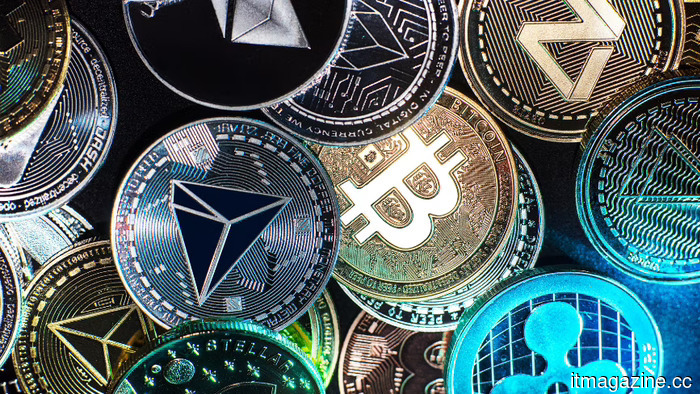 JPMorgan подает заявку на второй токенизированный денежный рынок на Ethereum, поскольку гонка блокчейнов на Уолл-Стрит ускоряется
JPMorgan подал заявку на свой второй токенизированный денежный рынок на Ethereum, присоединившись к BlackRock в гонке по созданию блокчейн-ориентированных финансов в рамках Закона о гениальности.
JPMorgan подает заявку на второй токенизированный денежный рынок на Ethereum, поскольку гонка блокчейнов на Уолл-Стрит ускоряется
JPMorgan подал заявку на свой второй токенизированный денежный рынок на Ethereum, присоединившись к BlackRock в гонке по созданию блокчейн-ориентированных финансов в рамках Закона о гениальности.
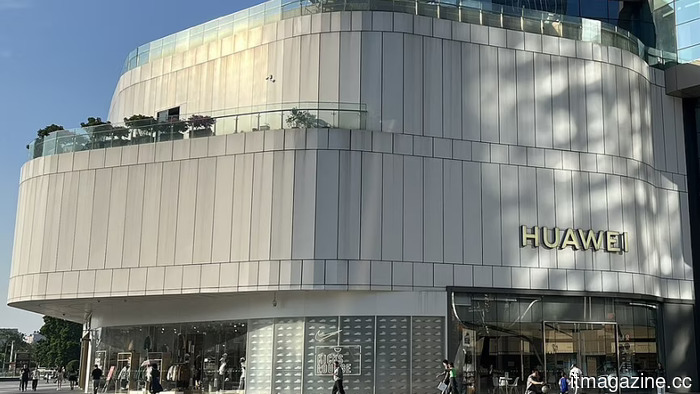 Пекин показал секретную лабораторию чипов Huawei по национальному телевидению за два дня до приезда Трампа. Сообщение было не для китайских зрителей.
Китай показал секретную лабораторию чипов Huawei по телевидению в прайм-тайм за несколько дней до визита Трампа в Пекин. Этот выпуск сигнализирует о том, что экспортные ограничения США укрепили, а не ослабили амбиции Китая в области чипов.
Пекин показал секретную лабораторию чипов Huawei по национальному телевидению за два дня до приезда Трампа. Сообщение было не для китайских зрителей.
Китай показал секретную лабораторию чипов Huawei по телевидению в прайм-тайм за несколько дней до визита Трампа в Пекин. Этот выпуск сигнализирует о том, что экспортные ограничения США укрепили, а не ослабили амбиции Китая в области чипов.
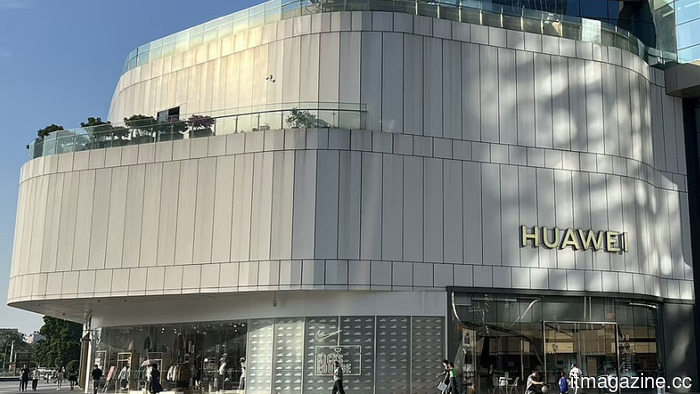 Пекин показал секретную лабораторию чипов Huawei по национальному телевидению за два дня до приезда Трампа. Сообщение было не для китайских зрителей.
Китай показал секретную лабораторию чипов Huawei в прайм-тайм по телевидению за несколько дней до визита Трампа в Пекин. Эфир сигнализирует о том, что экспортные ограничения США укрепили, а не ослабили амбиции Китая в области чипов.
Пекин показал секретную лабораторию чипов Huawei по национальному телевидению за два дня до приезда Трампа. Сообщение было не для китайских зрителей.
Китай показал секретную лабораторию чипов Huawei в прайм-тайм по телевидению за несколько дней до визита Трампа в Пекин. Эфир сигнализирует о том, что экспортные ограничения США укрепили, а не ослабили амбиции Китая в области чипов.
Bristol Myers Squibb has finalized a $15.2 billion agreement for a pharmaceutical collaboration with China's Hengrui as the threat of patent expirations approaches.
BMS is set to pay Hengrui $15.2 billion for 13 early-stage drugs in the fields of oncology and immunology. This agreement highlights how the patent cliff faced by Big Pharma has rendered Chinese innovation essential.