
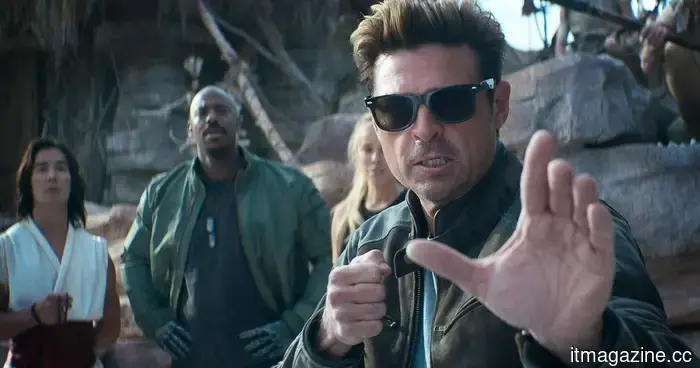
Mortal Kombat 2 excels in fan service over narrative development.
I still recall the first time I genuinely became engrossed in Mortal Kombat. Like many from my generation, I had seen the characters before, with Scorpion shouting “Get over here!”, Sub-Zero turning people into ice cubes, and Raiden appearing as a thunder god who mysteriously vanishes whenever the plot requires it. Mortal Kombat was a constant presence. However, it wasn't until the 2011 reboot that I truly became invested in the franchise. That game was exceptional as it achieved a perfect balance. It featured gore, absurdity, iconic rivalries, and surprisingly engaging storytelling that tied together the first three games in a way even casual players could grasp. It made characters like Liu Kang, Kung Lao, Kitana, Raiden, and Johnny Cage feel significant beyond their roles as arcade fighters.
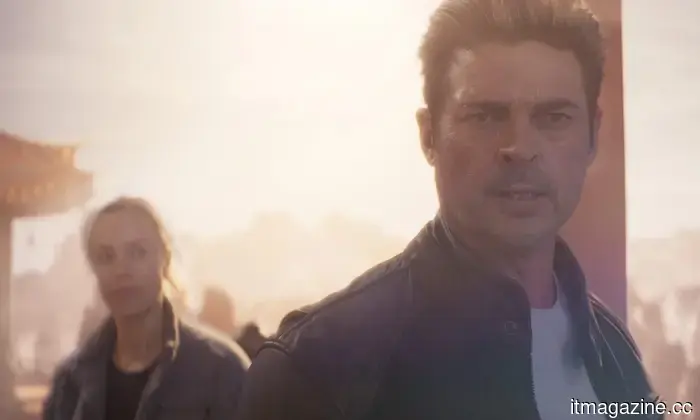
That’s likely the reason the 2021 Mortal Kombat movie left me so disappointed. It felt like a film attempting to introduce a new character nobody asked for while sidelining beloved fan-favorites. The fight scenes were good, of course, but the emotional depth was absent. So when the announcement of Mortal Kombat 2 came, I felt hopeful. It seemed like the correction fans had been longing for—more tournament action, classic characters, deeper lore, increased violence, and finally, the entry of Johnny Cage. On paper, this should have been the film that successfully captured the essence of Mortal Kombat.
Yet somehow, after two hours filled with severed limbs, splattered blood, fan-service moments, and an abundance of slow-motion fatalities to traumatize a small village, I still left feeling unsatisfied.
**Spoiler Warning:** This review contains significant spoilers for Mortal Kombat 2, including plot details, character arcs, fights, and fatalities.
The most significant issue with Mortal Kombat 2 is, quite frankly, very straightforward. The film has far too much story for a two-hour runtime. Instead of simplifying the narrative or dividing it into parts, it speedruns through everything as if someone accidentally pressed fast-forward on the lore. It's akin to trying to fit a complex gaming rig into a lunchbox—something is inevitably going to spill out, and here, it was the storytelling.
I understand the dilemma—Mortal Kombat lore is extensive. Fitting tournaments, character arcs, Netherrealm politics, Outworld dramas, and numerous fights into one movie is a daunting task. However, recognizing the problem doesn’t excuse poor execution. A film shouldn’t feel like a homework assignment. If casual viewers are left Googling why Sub-Zero suddenly possesses shadow powers, why Sindel is significant, or what exactly Quan Chi is doing there, the film has failed at one of its primary responsibilities.
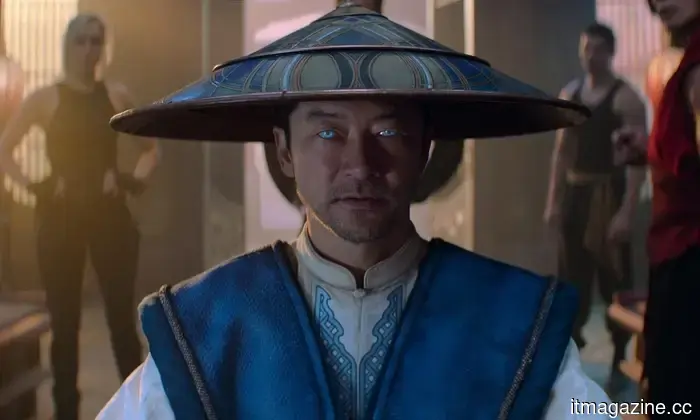
That’s where Mortal Kombat 2 falters the most. The film assumes the audience is already well-versed in the lore. The director recently suggested that critics just don’t “understand Mortal Kombat,” and that mentality reveals much about this movie. It lacks interest in introducing its universe to newcomers, presuming viewers already know who Noob Saibot is, what Shinnok’s amulet represents, why Kitana is important, and how the relationships intertwine. For long-time gamers, those moments resonate due to existing emotional attachments, but for general audiences, it feels like starting a TV show from Season 5 by accident.
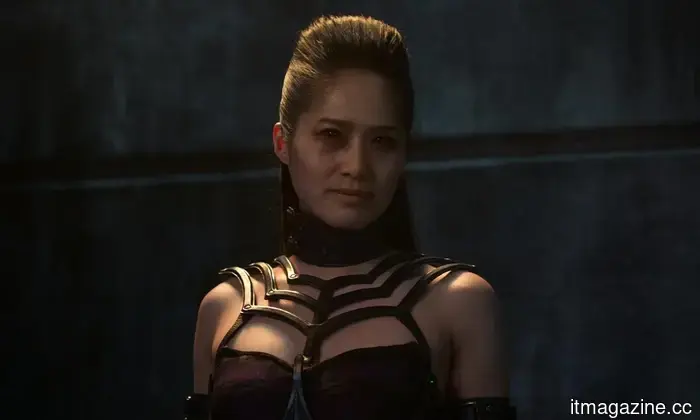
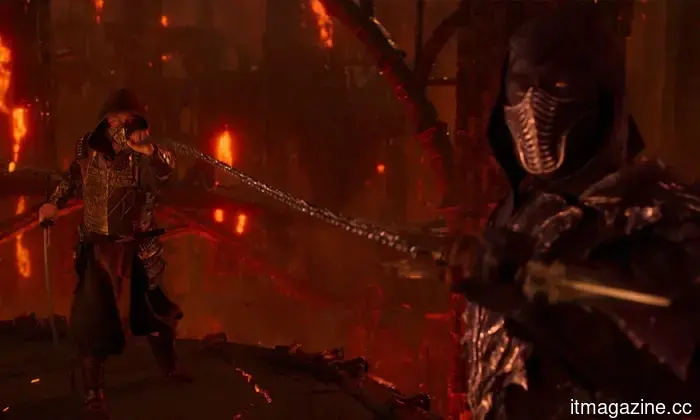
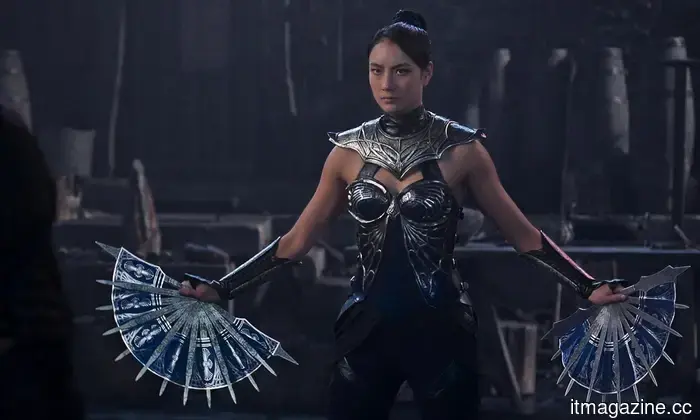
Consider Sub-Zero and Noob Saibot, for instance. The film introduces them with some impressive visuals and then rushes past any substantial explanation. Casual viewers might wonder if this is the same character from before, why there are suddenly two versions, and why there’s no elaboration. Sindel faces a similar issue. Her role feels rushed, and despite being one of the franchise’s most recognizable characters, the movie hardly showcases her true abilities. We see her scream powers, but her iconic killer hair? Completely overlooked. These omissions make Mortal Kombat 2 feel less like a completed movie and more like an Early Access version awaiting significant updates before release.
**More Fights Don’t Automatically Fix Everything**
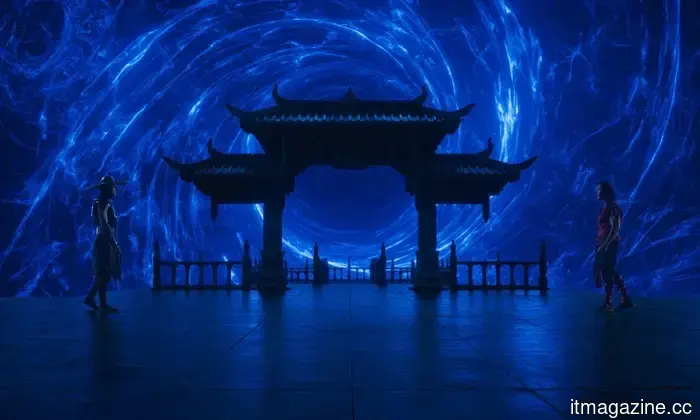
One major criticism of the first Mortal Kombat film was its lack of genuine fights, so Mortal Kombat 2 responds by inundating us with combat scenes every fifteen minutes, as if trying to speedrun an arcade ladder. However, simply having more fights doesn’t resolve the underlying problem. A fight only holds significance if the audience cares about the outcome.
Several fights appear visually appealing for a few moments before concluding just as they start to get interesting. Some characters hardly display their unique skills before the film hastily moves to the next spectacle. Mortal Kombat is cherished because every fighter possesses distinct personalities and combat styles, yet many action scenes here feel more like quick fan-service checklists rather than fully realized encounters.
The list of characters who are “done dirty” is unfortunately longer than Scorpion’s spear chain. Sub-Zero, who felt like an unstoppable force in the first film, lacks the
Other articles
 Amazon is readying its inaugural Swiss franc bond as part of a six-part initiative to invest in AI capital expenditures.
Amazon has appointed BNP Paribas, Deutsche Bank, and JPMorgan to manage its inaugural bond issuance in Swiss francs.
Amazon is readying its inaugural Swiss franc bond as part of a six-part initiative to invest in AI capital expenditures.
Amazon has appointed BNP Paribas, Deutsche Bank, and JPMorgan to manage its inaugural bond issuance in Swiss francs.
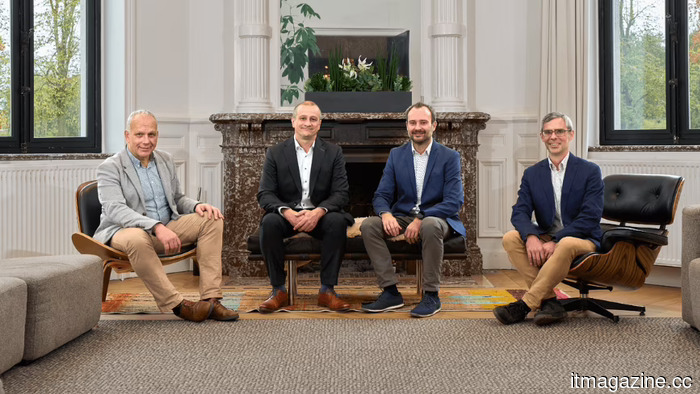 Dutch company Eyeo secures €40 million to commercialize NCOS color-splitting image sensors.
Eyeo has secured a €40 million Series A funding round led by Innovation Industries to advance its imec-developed Nanophotonic Color Splitting sensor technology.
Dutch company Eyeo secures €40 million to commercialize NCOS color-splitting image sensors.
Eyeo has secured a €40 million Series A funding round led by Innovation Industries to advance its imec-developed Nanophotonic Color Splitting sensor technology.
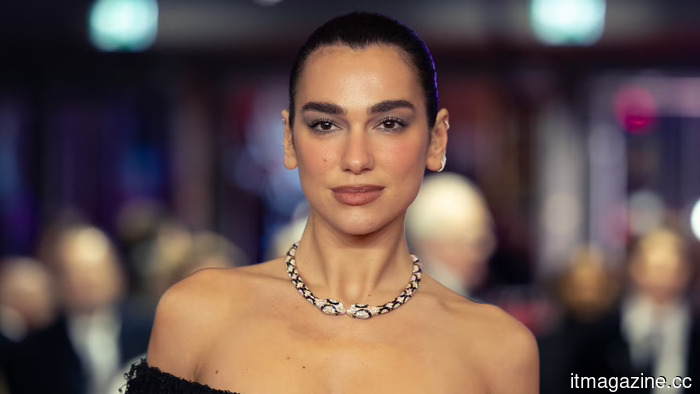 Dua Lipa is filing a $15 million lawsuit against Samsung over an image featured on the boxes of Crystal UHD TVs.
Dua Lipa has initiated a federal lawsuit seeking $15 million against Samsung Electronics, claiming that her backstage photo from 2024 has been used on the packaging of Crystal UHD TVs since 2025.
Dua Lipa is filing a $15 million lawsuit against Samsung over an image featured on the boxes of Crystal UHD TVs.
Dua Lipa has initiated a federal lawsuit seeking $15 million against Samsung Electronics, claiming that her backstage photo from 2024 has been used on the packaging of Crystal UHD TVs since 2025.
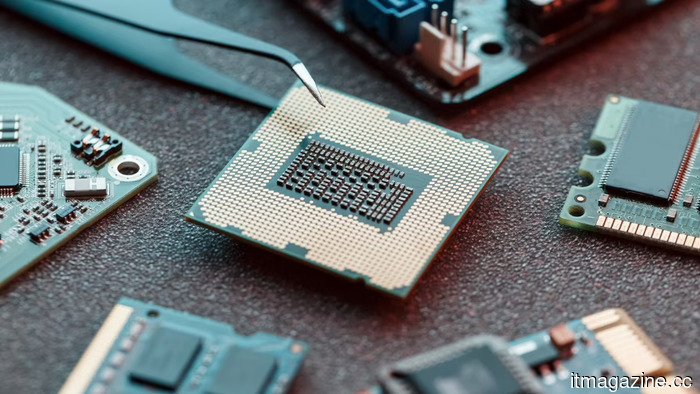 GPUaaS is strengthening the perception of AI sovereignty in Europe.
Access does not equate to sovereignty. Europe's €20 billion investment in AI gigafactories may increase its reliance on Nvidia and US hyperscalers, rather than lessen it.
GPUaaS is strengthening the perception of AI sovereignty in Europe.
Access does not equate to sovereignty. Europe's €20 billion investment in AI gigafactories may increase its reliance on Nvidia and US hyperscalers, rather than lessen it.
 If the manufacturer of your router or drone is prohibited in the US, it will receive updates until 2029.
The FCC has prolonged update support for limited routers and drones until 2029, with the goal of preventing cybersecurity threats associated with unsupported and vulnerable devices.
If the manufacturer of your router or drone is prohibited in the US, it will receive updates until 2029.
The FCC has prolonged update support for limited routers and drones until 2029, with the goal of preventing cybersecurity threats associated with unsupported and vulnerable devices.
 TNW, Oneflow, and Flexas are organizing a complimentary networking evening in Amsterdam.
TNW and Oneflow are organizing a complimentary networking evening in Amsterdam on June 3, 2026, featuring food, drinks, and a panel of speakers at Flexas.com.
TNW, Oneflow, and Flexas are organizing a complimentary networking evening in Amsterdam.
TNW and Oneflow are organizing a complimentary networking evening in Amsterdam on June 3, 2026, featuring food, drinks, and a panel of speakers at Flexas.com.
Mortal Kombat 2 excels in fan service over narrative development.
Mortal Kombat 2 offers intense fatalities and plenty of fan service, yet its hasty storytelling and underutilized characters prevent this sequel from achieving a true Flawless Victory.