
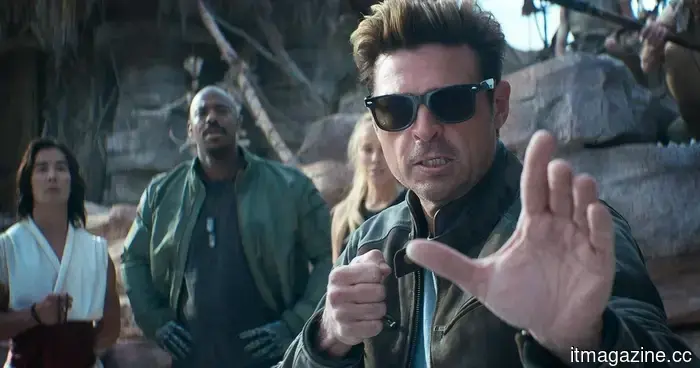
Mortal Kombat 2 excels in fan service more than in narrative development.
I can still recall the first time I truly got into Mortal Kombat. Like many from my generation, I had seen the characters before—Scorpion shouting “Get over here!”, Sub-Zero turning people into ice cubes, Raiden appearing as a thunder god who somehow vanishes whenever the plot demands it. Mortal Kombat was always part of my surroundings. However, it was the 2011 Mortal Kombat reboot that made me genuinely invested in the franchise. That game was exceptional because it struck a perfect balance. It had the violence, the absurdity, the iconic rivalries, but it also featured a surprisingly compelling narrative that linked the first three games in a manner even casual players could grasp. Characters like Liu Kang, Kung Lao, Kitana, Raiden, and Johnny Cage felt significant beyond the realm of arcade fighters.
Perhaps this is why I was so disappointed by the 2021 Mortal Kombat movie. It seemed to focus on introducing a brand-new character that no one requested while relegating beloved fan-favorites to the sidelines. The fight scenes were decent, but the emotional core was lacking. Therefore, when Mortal Kombat 2 was announced, I actually felt hopeful. This appeared to be the correction that fans were craving: more tournament action, classic characters, deeper lore, increased violence, and at last, Johnny Cage joining the fray. On paper, this should have been the film that captured Mortal Kombat perfectly.
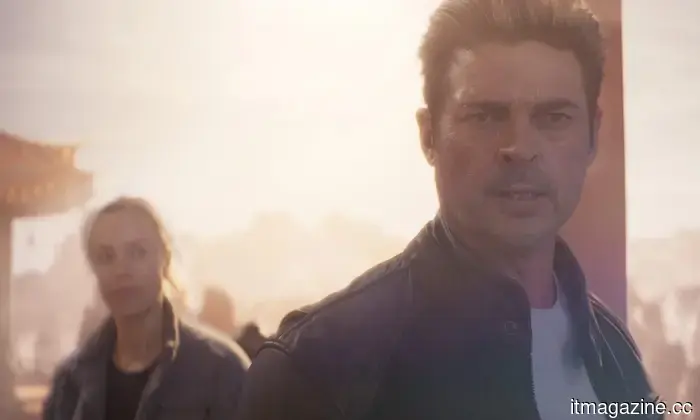
However, after two hours filled with severed limbs, flying blood, fan-service moments, and an abundance of slow-motion fatalities to traumatize a small village, I still left feeling unsatisfied.
**Spoiler Warning:** This review contains significant spoilers for Mortal Kombat 2, including plot details, character arcs, battles, and fatalities.
The primary issue with Mortal Kombat 2 is, quite frankly, straightforward. The movie has far too much story for a two-hour runtime. Rather than simplifying the plot or dividing the film into segments, it rushes through everything as if someone accidentally pressed fast-forward on the lore. It's akin to attempting to fit a liquid-cooled gaming rig into a lunchbox; something is bound to leak, and in this case, it was the storytelling.
I understand the challenge faced here. Mortal Kombat’s lore is extensive, and cramming tournaments, character arcs, Netherrealm politics, and multiple fights into a single film is not simple. However, recognizing the issue doesn’t excuse the execution. A movie shouldn’t come with a prerequisite. If casual viewers need to search online to understand why Sub-Zero suddenly has shadow powers, why Sindel is important, or what Quan Chi is doing there, it means the film has already failed at one of its primary tasks.
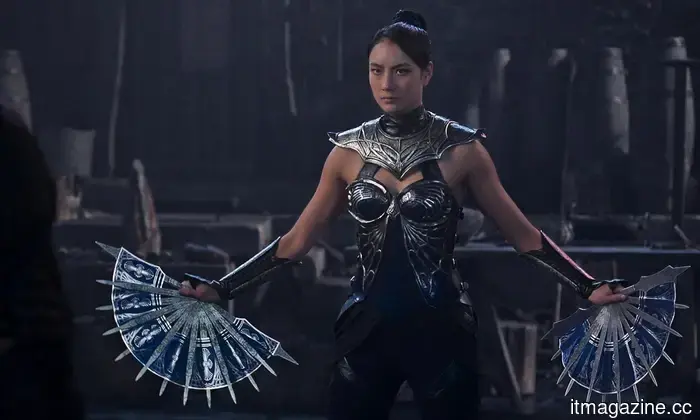
This is where Mortal Kombat 2 truly falters. The movie seems convinced that the audience is already familiar with everything. The director recently suggested that critics simply do not "understand Mortal Kombat," and honestly, that mindset explains a lot about this movie. It shows no inclination to introduce its universe to newcomers. It assumes that viewers already know who Noob Saibot is, the significance of Shinnok’s amulet, why Kitana is notable, and how all these connections fit together. For longtime gamers, these moments resonate due to existing emotional ties. For general audiences, this film likely feels like unintentionally tuning into a TV show from Season 5.
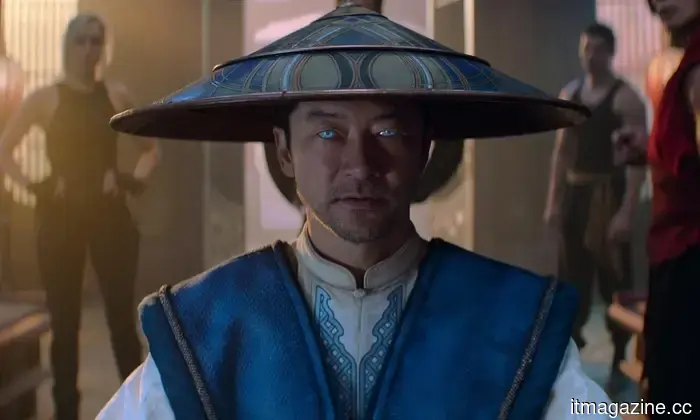
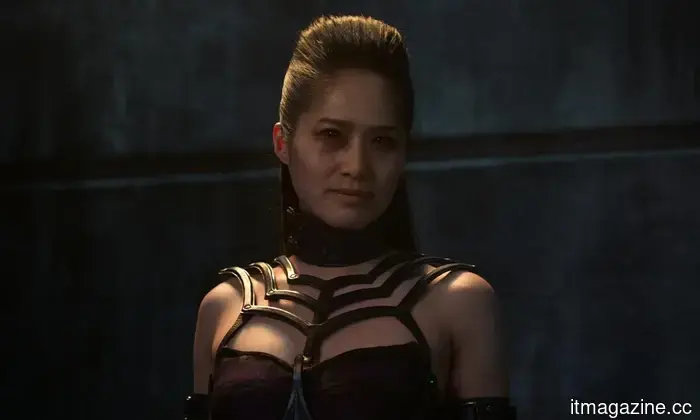
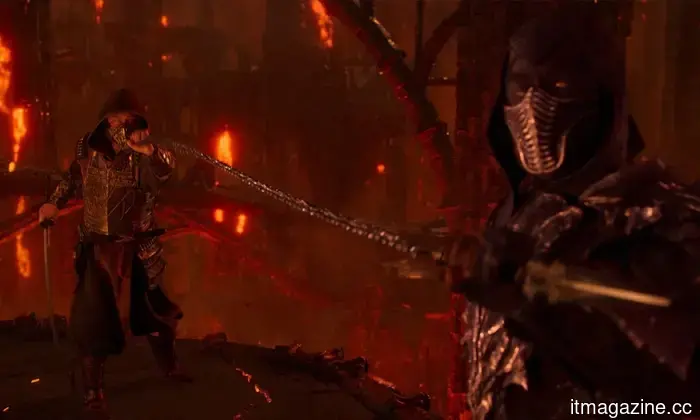
Take Sub-Zero and Noob Saibot, for instance. The movie introduces them, presents some appealing visuals, and then rushes off before providing any real explanation. Casual viewers might be left confused about whether this is the same character from before, why there are suddenly two of him, and why no one elaborates. Sindel faces a similar dilemma; her role feels hurried, and despite being an iconic character, the film hardly showcases her true powers. We witness her screaming abilities, but her legendary killer hair? Completely disregarded. These omissions contribute to making Mortal Kombat 2 feel less like a finished film and more like an Early Access version that needed several major updates before release.
**More Fights Don’t Automatically Fix Everything**
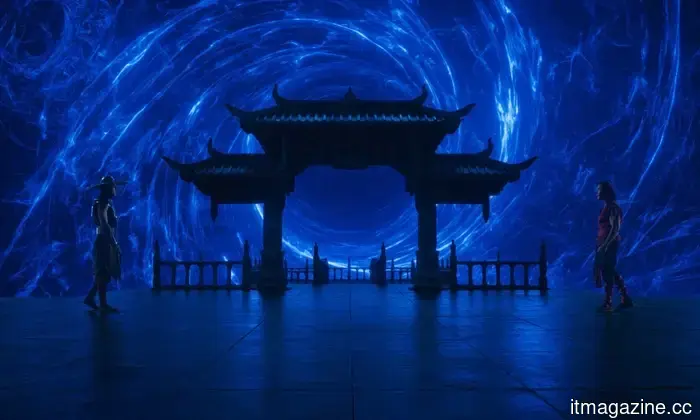
One of the prevalent complaints regarding the first Mortal Kombat film was its lack of substantial fights, prompting Mortal Kombat 2 to respond by inundating the audience with combat scenes every fifteen minutes, as if it were trying to rush through an arcade ladder. However, the reality is this: simply having more fights does not solve the problem. A fight only holds significance if the audience is invested in who wins.
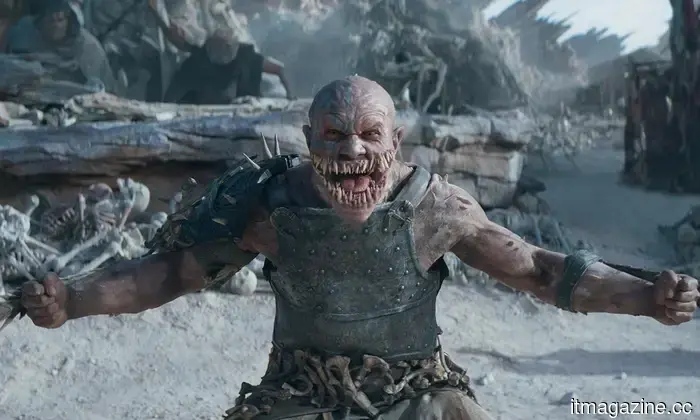
Many fights appear exciting for a brief moment before concluding just as they begin to become interesting. Some characters hardly showcase their distinctive abilities before the film hastily transitions to the next spectacle. Mortal Kombat is cherished because each fighter has their unique personality and combat style; yet, many action scenes here resemble quick fan-service checklists rather than thoroughly developed encounters.
Honestly, the list of characters who are "done
Other articles
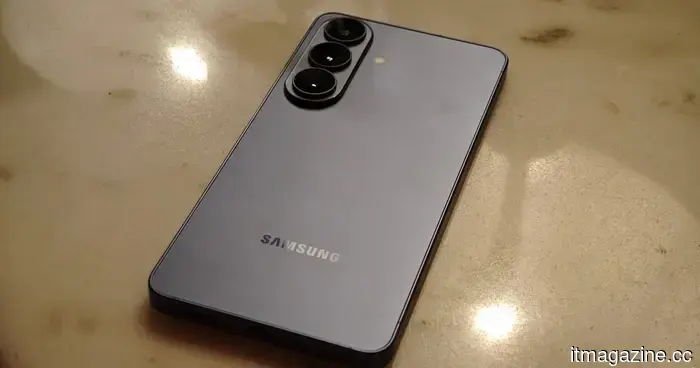 I allowed this Galaxy S26 feature to manage my battery, and it truly functions well.
The Device Care functions of the Galaxy S26 manage battery health, background applications, and system optimization in a way that truly impacts performance over time. After initial setup, it generally remains unobtrusive, allowing you to use your phone with ease.
I allowed this Galaxy S26 feature to manage my battery, and it truly functions well.
The Device Care functions of the Galaxy S26 manage battery health, background applications, and system optimization in a way that truly impacts performance over time. After initial setup, it generally remains unobtrusive, allowing you to use your phone with ease.
 Amazon is readying its inaugural Swiss franc bond as part of a six-part initiative to invest in AI capital expenditures.
Amazon has appointed BNP Paribas, Deutsche Bank, and JPMorgan to manage its inaugural bond issuance in Swiss francs.
Amazon is readying its inaugural Swiss franc bond as part of a six-part initiative to invest in AI capital expenditures.
Amazon has appointed BNP Paribas, Deutsche Bank, and JPMorgan to manage its inaugural bond issuance in Swiss francs.
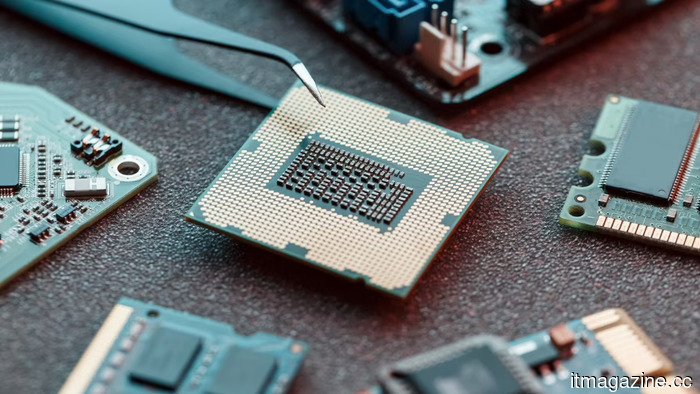 GPUaaS is strengthening the perception of AI sovereignty in Europe.
Access does not equate to sovereignty. Europe's €20 billion investment in AI gigafactories may increase its reliance on Nvidia and US hyperscalers, rather than lessen it.
GPUaaS is strengthening the perception of AI sovereignty in Europe.
Access does not equate to sovereignty. Europe's €20 billion investment in AI gigafactories may increase its reliance on Nvidia and US hyperscalers, rather than lessen it.
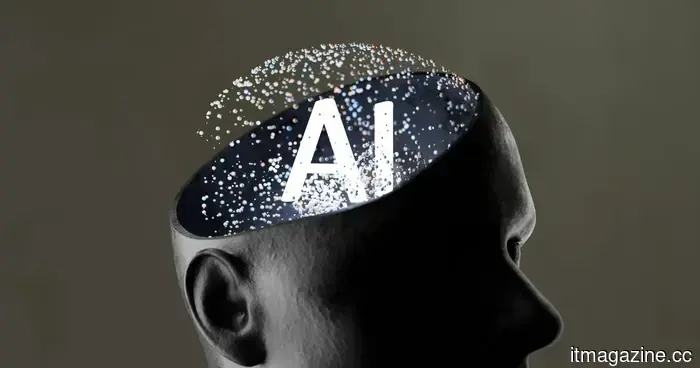 Graduates who are heavily influenced by AI are not particularly appealing for finance jobs due to their lack of depth in ideas.
Financial companies are reevaluating AI-native graduates amid rising worries about superficial analysis, inadequate critical thinking skills, and an overreliance on generative AI tools.
Graduates who are heavily influenced by AI are not particularly appealing for finance jobs due to their lack of depth in ideas.
Financial companies are reevaluating AI-native graduates amid rising worries about superficial analysis, inadequate critical thinking skills, and an overreliance on generative AI tools.
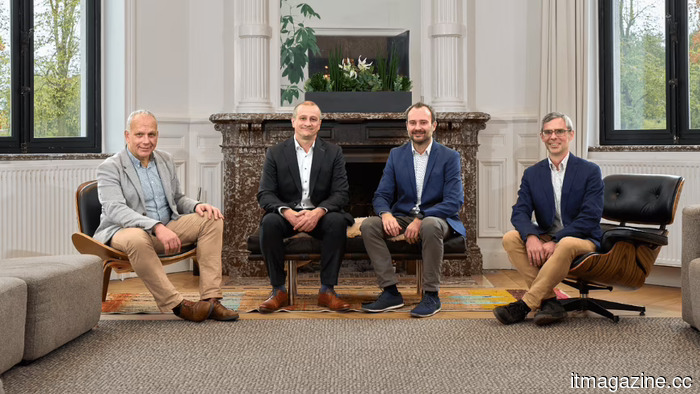 Dutch company Eyeo secures €40 million to commercialize NCOS color-splitting image sensors.
Eyeo has completed a €40 million Series A funding round, led by Innovation Industries, to advance its nanophotonic color-splitting sensor technology developed by imec.
Dutch company Eyeo secures €40 million to commercialize NCOS color-splitting image sensors.
Eyeo has completed a €40 million Series A funding round, led by Innovation Industries, to advance its nanophotonic color-splitting sensor technology developed by imec.
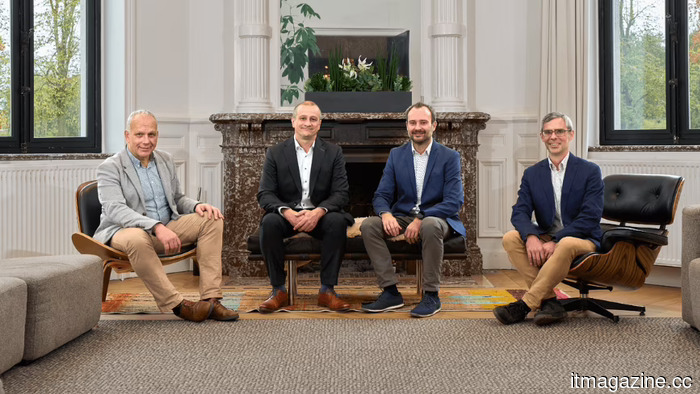 Dutch company Eyeo secures €40 million to commercialize NCOS color-splitting image sensors.
Eyeo has secured a €40 million Series A funding round led by Innovation Industries to advance its imec-developed Nanophotonic Color Splitting sensor technology.
Dutch company Eyeo secures €40 million to commercialize NCOS color-splitting image sensors.
Eyeo has secured a €40 million Series A funding round led by Innovation Industries to advance its imec-developed Nanophotonic Color Splitting sensor technology.
Mortal Kombat 2 excels in fan service more than in narrative development.
Mortal Kombat 2 offers a wealth of brutal fatalities and plenty of fan service, yet its hurried narrative and underutilized characters prevent this sequel from achieving a genuine Flawless Victory.