
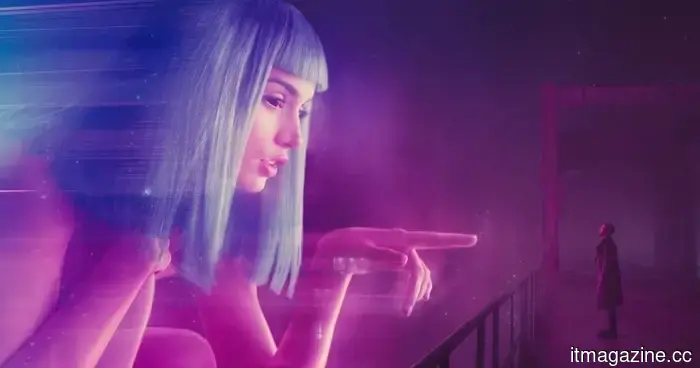
Sci-fi accurately portrayed the gadgets, but missed the mark on the overall atmosphere.
Recently, I found myself waiting for an Uber when the GPS decided to play tricks on me. The car was close by, I was nearby too, yet we both got caught up in that modern struggle of incorrect pins, slow turns, vague gestures, and “I’m here” texts that do absolutely nothing to help.
That’s when I had a perfectly reasonable idea: a giant holographic arrow pointing at me would be incredibly useful.
Not “spatial computing.” Not a $3,499 headset. Not an AR demonstration that seems amazing only for the person wearing the glasses. I’m talking about a real, visible, shared holographic arrow floating above my head like a guiding light for one mildly frustrated passenger.
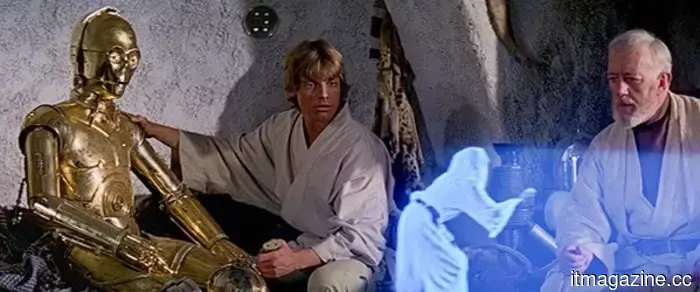
Lucasfilm Ltd.
Sci-fi has spent decades conditioning me to anticipate amazing visuals. Consumer technology, in its usual manner, looked at that vision and considered whether it could be transformed into a screen, an app, a subscription, or a device complete with a charging case.
Sci-fi did get some things right.
The frustrating part is that sci-fi wasn’t entirely off base. Many of the gadgets did end up being created, although they appeared in such ordinary forms that they’ve nearly lost their novelty.
The Star Trek communicator became the smartphone. According to Pew, 91% of U.S. adults now own one, up from 35% in 2011, which is exactly the kind of miracle that loses its excitement once everyone uses it to dodge unknown callers.
The glowing device evolved into the tablet. Video calls moved from mission control into our living rooms as FaceTime, Zoom, and yet another reason to check if the camera is accidentally on.
Voice-activated computers morphed into smart speakers that can manage a kitchen timer but still confidently misinterpret the word “lamp.” Domestic robots transitioned into robot vacuums, which is impressive until one decides to engage in a quiet battle with a sock.
The magic is still absent.
Holograms are harder to dismiss because they seem like the missing piece of the puzzle. We have aspects of the concept, sure, but each comes with qualifications.
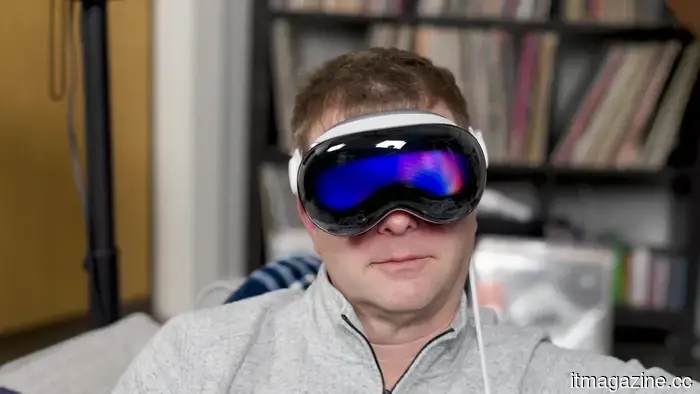
Apple offers the Vision Pro, which presents spatial computing in front of your eyes if your face and finances can handle the investment.
Zeke Jones / Digital Trends
Meta’s Orion seems closer to the dream, but Meta indicates that the prototype is being distributed to employees and select external audiences while working toward a consumer AR glasses line.
Looking Glass has brought holographic displays nearer to consumers with Musubi, a holographic photo and video frame. That’s genuinely impressive, and it’s somewhat amusing that the sci-fi future apparently starts as a desktop photo frame.
The mundane version usually prevails.
That’s typically how the future unfolds. Not in the way we envisioned, but as the most marketable version of the idea. Even XR is moving toward compromise. IDC reports that XR device shipments increased by 44.4% in 2025, mainly due to smart glasses, while traditional VR and mixed reality headset shipments continued to decline.
That doesn’t imply the technology is worthless. The mundane version often wins because it addresses a real issue without needing to look attractive in a movie trailer. Phones surpassed holograms because rectangular shapes are functional in ways floating avatars are not. They can fit in pockets, endure poor lighting, and don’t require everyone in a room to pretend this is a typical way to communicate.
So yes, the future is here. It’s just been product-managed into something that requires a charger, an account, and three permissions.
Still, where are my damn holograms?
Other articles
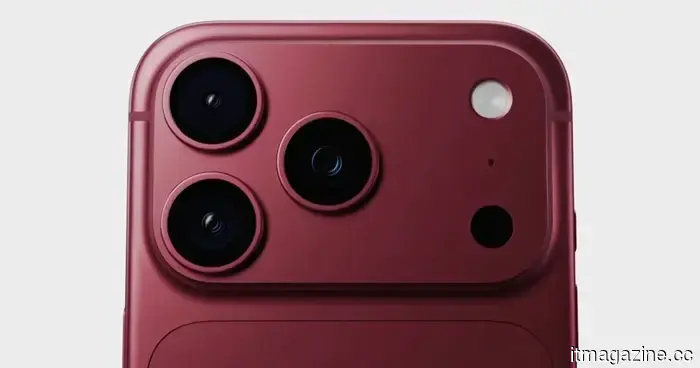 This might be the ultimate design of the iPhone 18 Pro, and it’s rather unexciting as expected.
A recent leak offers a preview of the iPhone 18 Pro, and although the anticipated enhancements appear to be well-developed, the overall experience might come across as somewhat repetitive. With changes like a smaller Dynamic Island and improved internal components, Apple appears to be enhancing the existing design rather than completely overhauling it.
This might be the ultimate design of the iPhone 18 Pro, and it’s rather unexciting as expected.
A recent leak offers a preview of the iPhone 18 Pro, and although the anticipated enhancements appear to be well-developed, the overall experience might come across as somewhat repetitive. With changes like a smaller Dynamic Island and improved internal components, Apple appears to be enhancing the existing design rather than completely overhauling it.
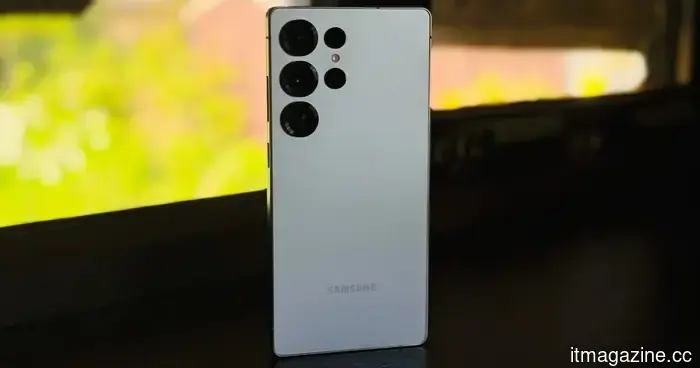 Samsung provided Galaxy S25 users with One UI 8.5 but omitted the features they desired the most.
One UI 8.5 is being released for the Galaxy S25 series, introducing new features; however, users are primarily discussing the absence of the Now Nudge and the 24MP camera mode.
Samsung provided Galaxy S25 users with One UI 8.5 but omitted the features they desired the most.
One UI 8.5 is being released for the Galaxy S25 series, introducing new features; however, users are primarily discussing the absence of the Now Nudge and the 24MP camera mode.
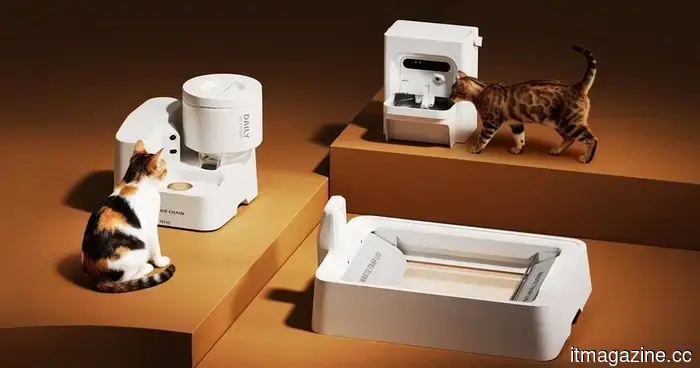 Pet technology is absurd, and I can't stand how much I desire it.
Pet technology may seem anxiety-inducing due to Wi-Fi, but it becomes less easy to dismiss smart feeders, trackers, cameras, and health alerts when cats begin to behave oddly.
Pet technology is absurd, and I can't stand how much I desire it.
Pet technology may seem anxiety-inducing due to Wi-Fi, but it becomes less easy to dismiss smart feeders, trackers, cameras, and health alerts when cats begin to behave oddly.
.jpg) This WWII thriller starring Tom Hanks is among the three best films to watch on Apple TV this weekend (May 8-10).
This weekend, Apple TV features three excellent movies, including a WWII thriller written by and starring Tom Hanks.
This WWII thriller starring Tom Hanks is among the three best films to watch on Apple TV this weekend (May 8-10).
This weekend, Apple TV features three excellent movies, including a WWII thriller written by and starring Tom Hanks.
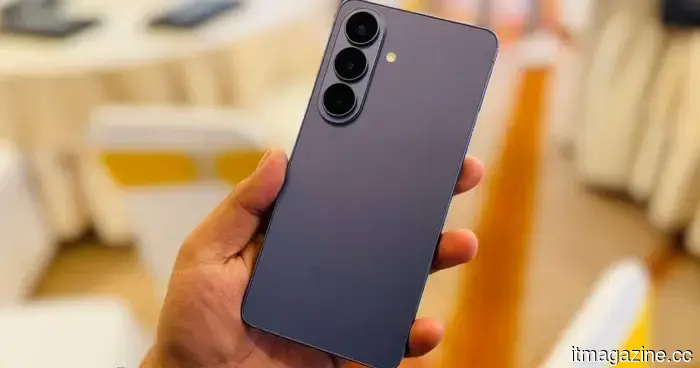 I tested the AI editing tools on my Galaxy S26, and it completely amazed me.
After experimenting with the AI eraser and generative editing features of the Galaxy S26 on actual photos, I've discovered an AI editing app for phones that is quick, practical, and surprisingly reliable.
I tested the AI editing tools on my Galaxy S26, and it completely amazed me.
After experimenting with the AI eraser and generative editing features of the Galaxy S26 on actual photos, I've discovered an AI editing app for phones that is quick, practical, and surprisingly reliable.
.jpg) This Oscar-nominated revenge thriller ranks among the top 3 movies on Peacock that you should check out this weekend (May 8-10).
From an Academy Award-winning revenge thriller to a popular Korean crime film, Peacock offers three overlooked movies that are worth checking out this weekend.
This Oscar-nominated revenge thriller ranks among the top 3 movies on Peacock that you should check out this weekend (May 8-10).
From an Academy Award-winning revenge thriller to a popular Korean crime film, Peacock offers three overlooked movies that are worth checking out this weekend.
Sci-fi accurately portrayed the gadgets, but missed the mark on the overall atmosphere.
Science fiction envisioned holograms, floating interfaces, and enchanted computers. Meanwhile, consumer technology brought us phones, video calls, smart speakers, and the mundane reality that has actually made it to market.