
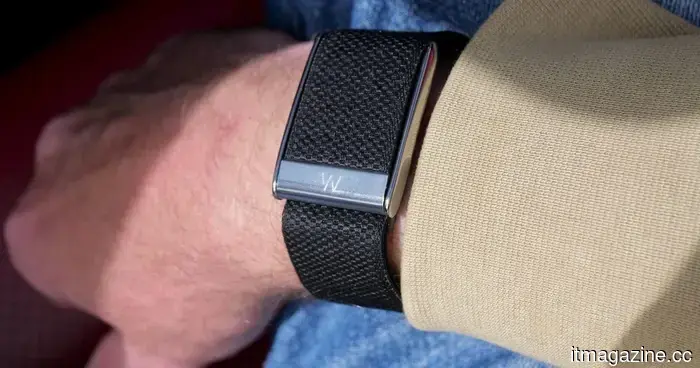
Whoop's reply to Fitbit Air and Google Health involves actual doctors rather than just an AI chatbot.
In the competition for health data ownership, Google opted for an AI solution while Whoop decided to utilize a doctor. This fundamental choice could determine which fitness tracker serious health-oriented users prefer in 2026 and beyond.
Recently, Google introduced the Fitbit Air as a competitor to the Whoop screenless fitness band, rebranded the Fitbit app to Google Health, and launched an AI coach powered by Gemini. Just a day later, Whoop countered by offering video consultations with licensed clinicians for users in the U.S.
The differences between the two strategies are striking. While Google is investing in AI as a general health advisor, Whoop is focusing on real, licensed doctors, asserting that they can better support its fitness-centric users, as reported by CNBC.
What exactly is Whoop providing?
Whoop has rolled out an in-app consultation feature that begins with a thorough analysis of your continuous biometric data gathered from the device. If you have recent blood tests or medical history available through the HealthEx records integration, this information is included, giving the clinician a more comprehensive understanding of your health even before the consultation starts. Whoop has clarified that this feature is meant to enhance existing healthcare rather than substitute for a primary physician or emergency services. It’s not yet confirmed if clinicians will be able to prescribe medications. The live video consultation will incur an additional fee beyond the standard membership, with pricing and availability to be announced this summer.
Is Whoop doing this to surpass Google's Fitbit Air?
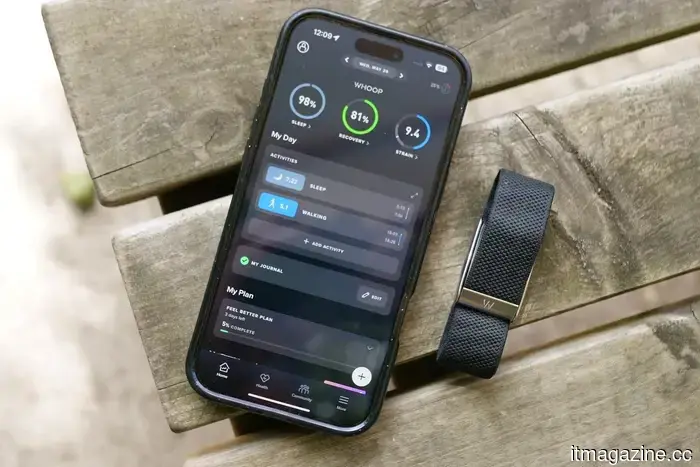
Whoop’s current subscription, priced from $199 per year (which includes free hardware), already offers a wide range of health-tracking features that go beyond continuous heart rate monitoring, HRV, and sleep stages. Subscribers benefit from daily recovery scores, strain coaching, sleep performance analysis, and monthly health reports highlighting long-term trends.
In contrast, Google Health Premium costs $99.99 annually and features its Gemini-powered Health Coach, which analyzes your biometric data, medical records, and meal photos to provide personalized suggestions. This differing approach might encourage users to remain with Whoop.
Rather than depending on an AI to draw conclusions from data, Whoop provides access to a healthcare professional who can ask follow-up questions, discern subtleties in your health records based on experience, and most importantly, has the professional accountability that comes with a medical license.
For over five years, Shikhar has effectively summarized advancements in the consumer tech space.
In other news, a leak suggests that Apple is developing a "Spatial iPhone" with a holographic 3D screen, potentially in collaboration with Samsung, targeting a tentative launch in 2030. This rumor stems from a leaker on X named "Schrödinger." The display is reportedly codenamed "MH1" (Mobile Holographic 1), but since these claims haven't been officially confirmed, they should be viewed with caution.
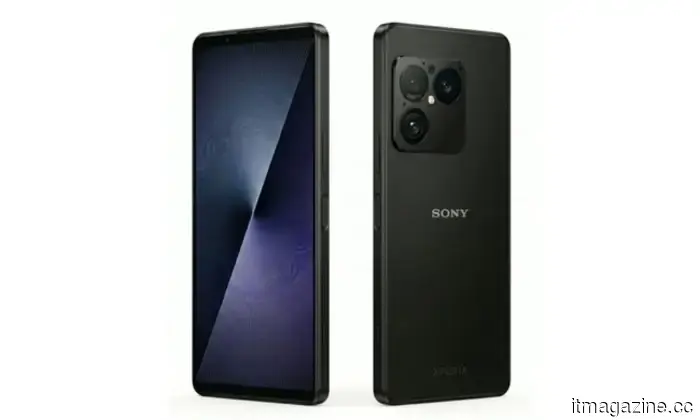
Additionally, the Xperia 1 VIII leak shows promising new color options that could give Sony's upcoming flagship a fresh look, appealing to consumers in a competitive high-end Android market.
Finally, Bumble is moving away from the swipe feature on dating apps, which its CEO Whitney Wolfe Herd argues has become tiresome. Bumble will be implementing changes to create a new experience, starting in select markets in Q4 2026, but specific details remain under wraps.



Other articles
 Hackers compromised Poland's water treatment facilities by exploiting default passwords, while the US encounters similar threats to its critical infrastructure.
Poland's ABW revealed that five water treatment facilities experienced ICS breaches due to the use of default passwords. The US EPA identified that 70% of American water utilities do not meet fundamental cybersecurity standards.
Hackers compromised Poland's water treatment facilities by exploiting default passwords, while the US encounters similar threats to its critical infrastructure.
Poland's ABW revealed that five water treatment facilities experienced ICS breaches due to the use of default passwords. The US EPA identified that 70% of American water utilities do not meet fundamental cybersecurity standards.
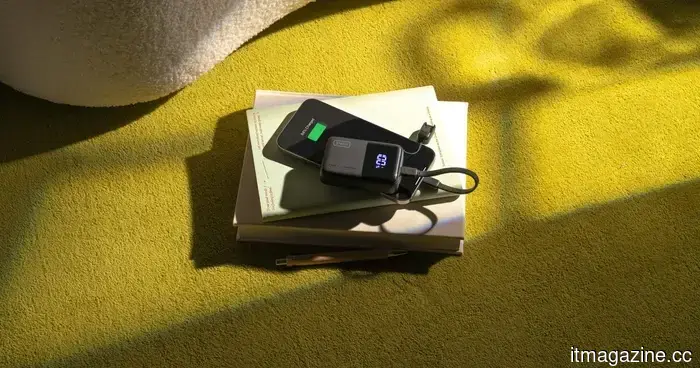 The INIU Pocket Rocket P50 is the tiniest power bank that your pocket truly requires.
Fed up with lugging around heavy power banks wherever you venture? The INIU Pocket Rocket P50 combines 10,000mAh capacity with 45W fast charging in a compact, macaron-sized form that easily fits in your pocket, ensuring you stay powered throughout the day, free from tangled cords or the hassle of searching for outlets.
The INIU Pocket Rocket P50 is the tiniest power bank that your pocket truly requires.
Fed up with lugging around heavy power banks wherever you venture? The INIU Pocket Rocket P50 combines 10,000mAh capacity with 45W fast charging in a compact, macaron-sized form that easily fits in your pocket, ensuring you stay powered throughout the day, free from tangled cords or the hassle of searching for outlets.
 What ways can companies obtain real-time financial insights and visibility?
This post is presented in paid collaboration with QuickBooks. Real-time financial insights provide you with a precise and current view of your business finances exactly when you require them. Recommended Videos When your reporting depends on month-end summaries or manually updated spreadsheets, you are consistently making decisions based on outdated figures. For small businesses, this delay […]
What ways can companies obtain real-time financial insights and visibility?
This post is presented in paid collaboration with QuickBooks. Real-time financial insights provide you with a precise and current view of your business finances exactly when you require them. Recommended Videos When your reporting depends on month-end summaries or manually updated spreadsheets, you are consistently making decisions based on outdated figures. For small businesses, this delay […]
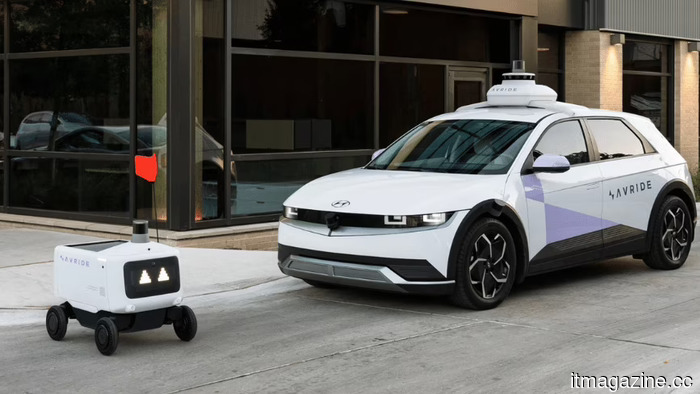 NHTSA looks into Uber's partner Avride following 16 robotaxi collisions in Dallas over a four-month period.
The NHTSA has launched an investigation into Avride, the autonomous vehicle partner of Uber, following 16 collisions in Dallas. The agency pointed to "excessive assertiveness and inadequate capability."
NHTSA looks into Uber's partner Avride following 16 robotaxi collisions in Dallas over a four-month period.
The NHTSA has launched an investigation into Avride, the autonomous vehicle partner of Uber, following 16 collisions in Dallas. The agency pointed to "excessive assertiveness and inadequate capability."
 Cloudflare reduces its workforce by 1,100 positions as it shifts focus to agentic AI, even though it surpassed earnings expectations for Q1 2026, resulting in a 24% drop in stock value.
Cloudflare reduced its workforce by 20% following a 600% increase in AI usage over three months. Despite Q1 revenue surpassing expectations at $640 million, shares dropped 24% due to the news of the restructuring.
Cloudflare reduces its workforce by 1,100 positions as it shifts focus to agentic AI, even though it surpassed earnings expectations for Q1 2026, resulting in a 24% drop in stock value.
Cloudflare reduced its workforce by 20% following a 600% increase in AI usage over three months. Despite Q1 revenue surpassing expectations at $640 million, shares dropped 24% due to the news of the restructuring.
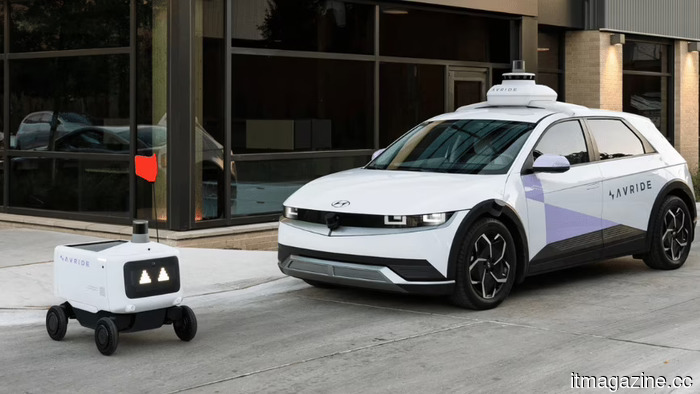 NHTSA is investigating Uber's partner Avride following 16 robotaxi accidents in Dallas over the span of four months.
The NHTSA has initiated an investigation into Avride, Uber's partner for autonomous vehicles, following 16 accidents in Dallas. The agency pointed to "excessive assertiveness and inadequate capability."
NHTSA is investigating Uber's partner Avride following 16 robotaxi accidents in Dallas over the span of four months.
The NHTSA has initiated an investigation into Avride, Uber's partner for autonomous vehicles, following 16 accidents in Dallas. The agency pointed to "excessive assertiveness and inadequate capability."
Whoop's reply to Fitbit Air and Google Health involves actual doctors rather than just an AI chatbot.
Google relies on Gemini to support your health, while Whoop is introducing a licensed physician to your display. Here’s what each method truly signifies for your financial situation and your health.