
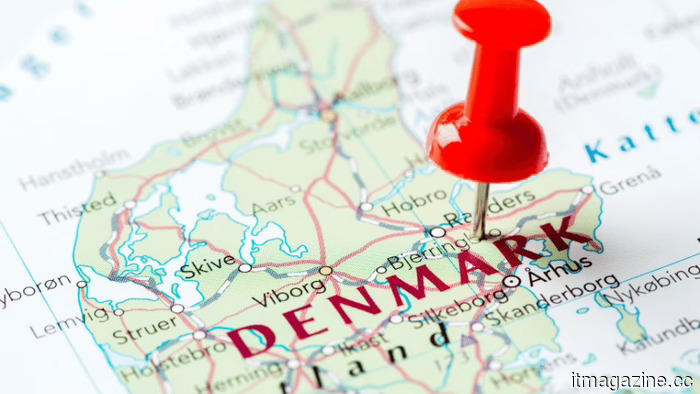
Denmark halts new grid connections due to AI data centers exceeding the capacity of the cleanest power grid in Europe.
TL;DR Denmark's grid operator Energinet has halted all new grid connection agreements due to a backlog of 60 gigawatts, which is nearly nine times the country’s peak demand. This overwhelming demand is primarily caused by AI data centres that have flocked to Denmark for its clean energy and cool climate, thus consuming more electricity than the grid can handle. Denmark is the first Nordic nation to confront the challenge of balancing the development of a highly clean energy grid with the needs of power-hungry industries.
Denmark produces over 80% of its electricity from renewable sources, with its wind farms making it a global leader in the clean energy transition. Energinet has dedicated decades to developing infrastructure for a decarbonised power system. However, in March, it temporarily suspended all new large-scale grid connection agreements—not due to a lack of renewable capacity, but due to an unprecedented surge in demand from AI data centres. As a result, Denmark has found itself as the first Nordic country facing the question of how to manage the electricity demands of the rapidly growing AI sector that exceeds the original design of the grid.
The Moratorium
Energinet’s temporary halt on new large-scale grid connections includes a variety of projects, though AI data centres are the primary trigger. About 60 gigawatts of projects are waiting for connections, while the country’s peak demand is roughly 7 gigawatts. Thus, the backlog is almost nine times the peak load, a considerable part of which comes from data centres. At the beginning of 2026, Denmark had around 398 megawatts of installed data centre capacity, with an additional 208 megawatts under construction and expectations to reach 1.2 gigawatts by 2030. A significant 60% of the current data centre capacity is located in hyperscale facilities run by Microsoft, Google, and Apple.
Microsoft has pledged $3 billion for data centre development in Denmark from 2023 to 2027, Apple has a data centre in Viborg, and Google has expanded its presence in the country. These hyperscalers were attracted to Denmark for its reliable governance, dependable infrastructure, cool climate that lowers cooling costs, and ample wind energy. Ironically, the success of Denmark's green energy initiatives has now led to data centres that are overwhelming the grid that initially drew them there.
The Numbers
The surge in electricity demand driven by AI has exceeded all previous forecasts. The International Energy Agency reported a 17% increase in electricity use by data centres in 2025, with AI-focused facilities seeing even faster growth. Global electricity consumption by data centres is expected to double by 2030, with AI-specific data centres' power usage projected to triple. Startups are rushing to reduce energy consumption in data centres, but advances in efficiency from new hardware and cooling technologies are being outpaced by the influx of new capacity.
Running a single AI inference task can use up to 1,000 times more electricity than a standard web search. Training state-of-the-art models can require hundreds of megawatts sustained over long periods. The combined capital expenditure of the hyperscalers is expected to surpass $690 billion in 2026, marking a 36% rise from 2025, with most funds directed toward data centre construction and the necessary power infrastructure. While efforts are underway to innovate and reduce AI's computational footprint, such solutions are years away from large-scale application. Meanwhile, the industry is expanding as rapidly as grid operators will permit, and Denmark has shown that such limits do exist.
The Nordic Question
Denmark is not alone in facing this strain, but it is the first to respond. Other Nordic countries like Sweden, Finland, and Norway are attracting substantial investments in data centres for similar reasons: renewable energy, cool climates, and stable governance. Established locations include Lulea in Sweden, home to a significant Facebook facility, and Hamina in Finland, where Google runs a data centre cooled by Baltic Sea water. Yet, none of these countries have imposed a pause on grid connections.
The moratorium in Denmark is intended to last three months, during which Energinet will evaluate how to manage the backlog and develop new prioritisation criteria for heavy energy users. Energinet's COO, Soren Dupont Kristensen, referred to the pause as a "window of opportunity" to reconsider regulations. Data centre operators worldwide are ramping up investments, such as Australia’s NEXTDC launching a $2.2 billion plan for a new campus in Western Sydney. Operators in Denmark are concerned that a three-month pause might lead to a longer regulatory framework that prioritises other industrial demands over their projects.
The Tension
The fundamental tension lies between Denmark's simultaneous goals of creating the world’s cleanest electricity grid and attracting major technology companies. Both aspirations have been successful; Denmark has one of Europe’s cleanest grids and has welcomed technology firms. However, the grid was designed for a decarbonised
Other articles
 The removal of humans from caregiving could potentially jeopardize outcomes.
AI has the potential to enhance healthcare on a larger scale, but the lack of human interaction can lead to a decline in patient engagement. This is what a particular unsuccessful experiment in digital health demonstrates.
The removal of humans from caregiving could potentially jeopardize outcomes.
AI has the potential to enhance healthcare on a larger scale, but the lack of human interaction can lead to a decline in patient engagement. This is what a particular unsuccessful experiment in digital health demonstrates.
 Do you believe music is the most affected by sloppiness? AI has also significantly tarnished podcasts.
A surge of AI-generated podcasts is rapidly spreading across audio platforms, with a Bloomberg report indicating that about 39% of new podcast feeds established in approximately nine days might be created by machines.
Do you believe music is the most affected by sloppiness? AI has also significantly tarnished podcasts.
A surge of AI-generated podcasts is rapidly spreading across audio platforms, with a Bloomberg report indicating that about 39% of new podcast feeds established in approximately nine days might be created by machines.
 YouTube's auto-dubbing lacks a vital option: a way to turn it off.
I didn't request to listen to Marques Brownlee speaking Japanese. YouTube made that choice for me, and there's no universal way to disable it.
YouTube's auto-dubbing lacks a vital option: a way to turn it off.
I didn't request to listen to Marques Brownlee speaking Japanese. YouTube made that choice for me, and there's no universal way to disable it.
 A Walmart leak reveals a growing Onn product lineup that includes a smart speaker compatible with Gemini.
A certification listing indicates that Walmart's Onn lineup is set to grow with the introduction of a Gemini-powered smart speaker that includes Matter support, Google Cast, and a 10W speaker.
A Walmart leak reveals a growing Onn product lineup that includes a smart speaker compatible with Gemini.
A certification listing indicates that Walmart's Onn lineup is set to grow with the introduction of a Gemini-powered smart speaker that includes Matter support, Google Cast, and a 10W speaker.
 Dubai requires the private sector to adopt generative AI within two years, supported by incubators, training programs, and allocated funds.
Sheikh Hamdan initiates a two-year initiative aimed at encouraging the private sector in Dubai to embrace agentic AI. This will include training for all business councils, incubators, and funds facilitated by the Chamber.
Dubai requires the private sector to adopt generative AI within two years, supported by incubators, training programs, and allocated funds.
Sheikh Hamdan initiates a two-year initiative aimed at encouraging the private sector in Dubai to embrace agentic AI. This will include training for all business councils, incubators, and funds facilitated by the Chamber.
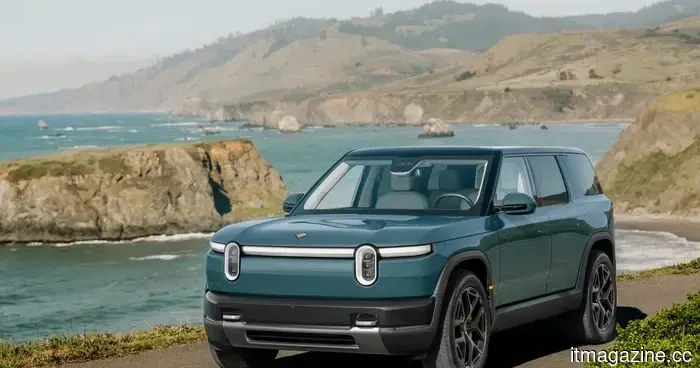 Rivian lowered the production cost of the R2 EVs by 50%. Let's wish that these savings are passed on to consumers.
Rivian claims that the R2 is more than 50% cheaper to produce than its R1 models, marking a significant move towards more affordable electric vehicles, assuming consumers recognize the advantages.
Rivian lowered the production cost of the R2 EVs by 50%. Let's wish that these savings are passed on to consumers.
Rivian claims that the R2 is more than 50% cheaper to produce than its R1 models, marking a significant move towards more affordable electric vehicles, assuming consumers recognize the advantages.
Denmark halts new grid connections due to AI data centers exceeding the capacity of the cleanest power grid in Europe.
Energinet has paused new grid agreements due to a flood of requests totaling 60 GW, while the grid only supports 7 GW. Major tech companies like Microsoft, Google, and Apple have spurred the expansion of data centers in Denmark, leading to this capacity issue.