
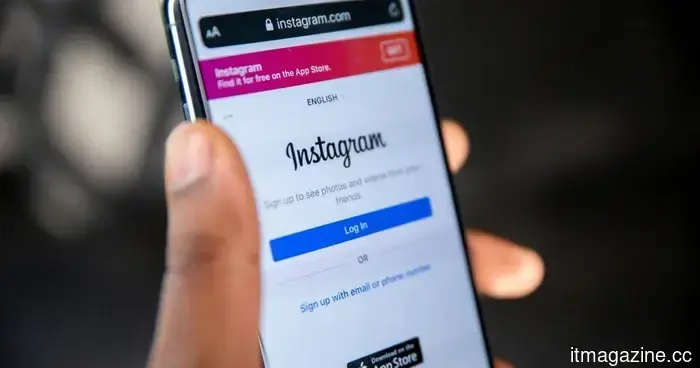
The best life advice I took was to delete Instagram, and it brought peace to my troubled soul.
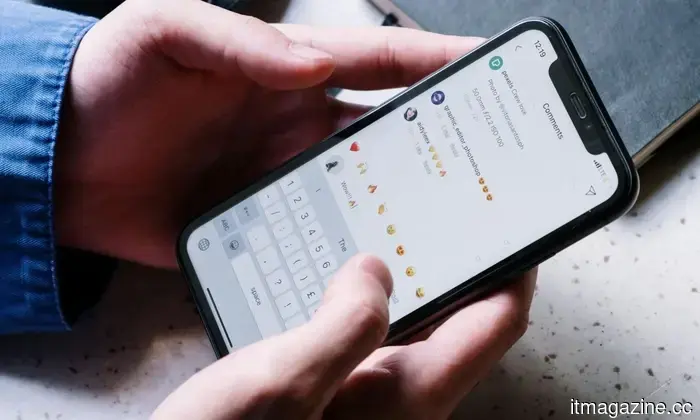
I won't pretend; I became addicted to Instagram. For a long time, I didn't even realize how much it was affecting my mind. It sounds dramatic to say it out loud, but it really slipped up on me. I became so accustomed to constantly viewing Instagram reels that my brain lost its patience for anything longer. Watching a full YouTube video felt like a commitment, and reading without checking my phone in between felt impossible. The worst part was that I was fully aware of why this was happening.
I attempted to fix it through the usual methods — setting app timers, trying apps to limit my doomscrolling, and convincing myself to cut back. Some days it worked, but most days it didn’t. I would still find myself opening Instagram without giving it a thought. So eventually, I stopped trying to control it and deleted the app from my iPhone. Honestly, that one small choice helped me more than all my previous attempts combined.
The first few days were oddly uncomfortable.
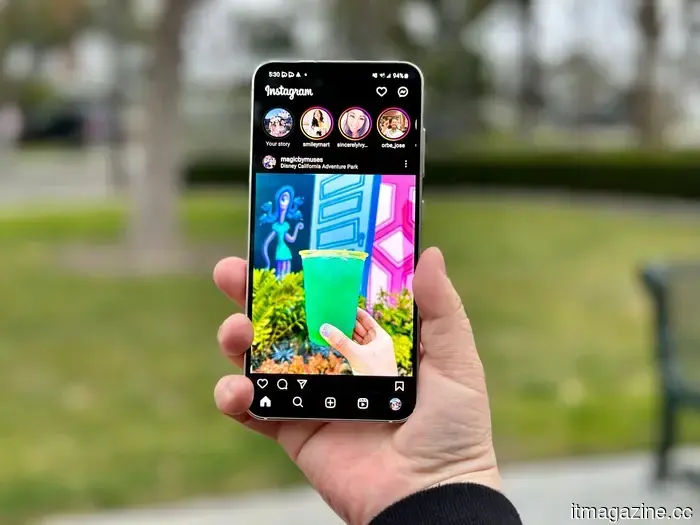
I thought I'd feel immediate relief, but that wasn't the case. The first thing I realized was how often I instinctively reached for it. I would unlock my phone and automatically swipe to where Instagram used to be — my thumb just remembered the spot. It made me aware of how deeply ingrained the habit had become. I found myself picking up my phone out of habit, opening it, finding nothing to scroll through, and putting it down again. It felt like I was missing something, even though I knew I hadn’t lost anything significant.
There was a persistent restlessness. However, that phase didn't last as long as I anticipated. After several days, the urge started to diminish. The habit remained, but it no longer had the same intensity. Gradually, that restlessness transformed into something calmer. My phone stopped feeling like something I constantly needed to check.
I didn’t realize how much it impacted my perspective on my own life.
This realization took a bit longer to register. Instagram has a unique way of making you feel like you’re simply staying updated with others. That’s what I used to tell myself. I was merely scrolling, catching up, passing the time, but it was more complicated than that.
Every time I accessed the app, I encountered people traveling, celebrating, looking their best, and seemingly living better versions of their lives. Even if I wasn't actively comparing myself, it still influenced me. It fostered a persistent feeling that I was somehow falling behind; that others had figured things out better than I had. It wasn't a conscious thought, yet it was always there, shaping my emotions. Once Instagram was gone, that feeling had nothing left to feed it. Gradually, it faded.
My attention span returned, and I noticed it.
This was something I never expected. A few weeks later, I decided to watch a 20-minute video and found no urge to skip through it. I simply watched it. This may seem trivial, but it felt significant to me. Prior to that, my mind required constant stimulation. If something didn't immediately capture my interest, I would lose focus. That was the expectation that reels had conditioned me to have.
With that constant cycle gone, things began to shift. I could linger on something a bit longer, and then a bit longer still. I resumed reading — really reading. No more skipping between paragraphs, no more distractions every few minutes. It felt like regaining a part of my focus that I hadn’t realized I had lost.
I stopped comparing my life without even trying.
When Instagram was part of my daily routine, I was continually exposed to others’ highlight reels. Trips, milestones, perfect photos, everything appearing effortless. I convinced myself it didn't impact me significantly. But once it was removed, I recognized its influence. Suddenly, there was nothing to measure myself against.
There were no constant reminders of what I should be doing or how my life should appear. No quiet pressure to keep up. In that void, something shifted — I felt more comfortable with my own life. Not due to any significant changes, but because I wasn’t constantly comparing myself to someone else’s version of “better.” There was just a steady sense of contentment with where I was.
The quiet I hadn’t known I was missing.
Deleting Instagram didn’t instantly transform my life. I didn’t wake up the next day feeling more productive, focused, or completely serene. That kind of overnight transformation is a myth. What actually occurred was simpler. Initially, it just felt like there was less happening. Fewer distractions, fewer urges to grab my phone, fewer moments where my attention was diverted without my awareness. My days didn't become perfect, but they became easier to navigate. I stopped interrupting myself so frequently. Over time, that began to accumulate.
I realized I could linger on a thought a bit longer. I didn't feel the need to fill every spare moment with something to watch. Even boredom felt different; it wasn’t
Other articles
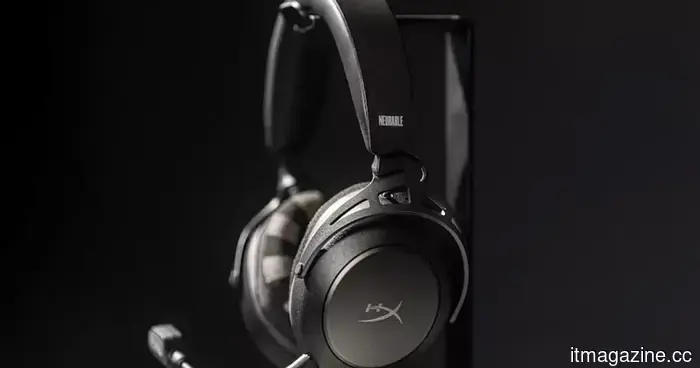 The era of brain monitoring devices, akin to Fitbits, may be nearer than we realize.
The upcoming major trend in wearables might not track steps or calories; instead, it could measure your concentration, tiredness, and preparedness.
The era of brain monitoring devices, akin to Fitbits, may be nearer than we realize.
The upcoming major trend in wearables might not track steps or calories; instead, it could measure your concentration, tiredness, and preparedness.
 Anthropic and Wall Street are creating a $1.5 billion pipeline for private equity.
Anthropic is completing a $1.5 billion joint venture with Blackstone, Hellman & Friedman, Goldman Sachs, and General Atlantic to implement Claude in portfolio companies of private equity.
Anthropic and Wall Street are creating a $1.5 billion pipeline for private equity.
Anthropic is completing a $1.5 billion joint venture with Blackstone, Hellman & Friedman, Goldman Sachs, and General Atlantic to implement Claude in portfolio companies of private equity.
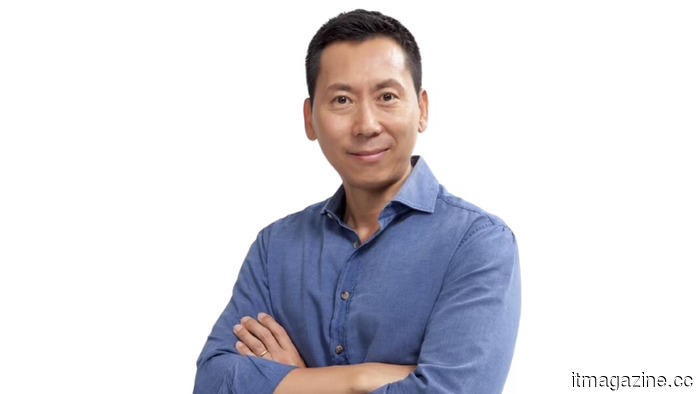 Won-Jin Lee assumes leadership of Samsung's TV division following a decline in profits.
Samsung has appointed Won-Jin Lee to lead its Visual Display division as profits from TVs in Q1 decreased and TCL has narrowed the gap to just one percentage point.
Won-Jin Lee assumes leadership of Samsung's TV division following a decline in profits.
Samsung has appointed Won-Jin Lee to lead its Visual Display division as profits from TVs in Q1 decreased and TCL has narrowed the gap to just one percentage point.
 Meta prefers to exit New Mexico rather than redesign its applications for children.
New Mexico is requesting that a judge in Santa Fe compel Meta to implement changes to its algorithms, establish age verification, and contribute to a $3.7 billion fund for teen mental health. The company has responded with a threat to exit the market.
Meta prefers to exit New Mexico rather than redesign its applications for children.
New Mexico is requesting that a judge in Santa Fe compel Meta to implement changes to its algorithms, establish age verification, and contribute to a $3.7 billion fund for teen mental health. The company has responded with a threat to exit the market.
 OpenAI's Codex now includes a small AI pet that keeps you informed as you program.
OpenAI has launched Codex Pets, which are optional animated companions for its Codex desktop application. These pets appear on your screen and monitor the actions of the coding agent as they happen in real-time.
OpenAI's Codex now includes a small AI pet that keeps you informed as you program.
OpenAI has launched Codex Pets, which are optional animated companions for its Codex desktop application. These pets appear on your screen and monitor the actions of the coding agent as they happen in real-time.
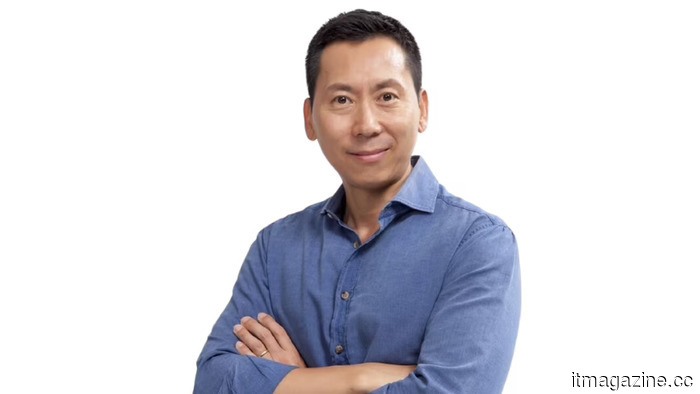 Won-Jin Lee assumes control of Samsung's TV division following a decline in profits.
Samsung has appointed Won-Jin Lee to lead its Visual Display division as the profit for Q1 from TVs decreased and TCL narrowed the gap to just one percentage point.
Won-Jin Lee assumes control of Samsung's TV division following a decline in profits.
Samsung has appointed Won-Jin Lee to lead its Visual Display division as the profit for Q1 from TVs decreased and TCL narrowed the gap to just one percentage point.
The best life advice I took was to delete Instagram, and it brought peace to my troubled soul.
I removed Instagram on impulse, but what came next was significantly calmer. Amidst the restlessness and tranquility, I rediscovered my focus, my time, and a version of my life that truly felt like mine once more.