
The era of brain monitoring devices, akin to Fitbits, may be nearer than we realize.
Consumer technology has spent the past decade transforming the body into a collection of metrics. Heart rate, sleep cycles, blood oxygen levels, recovery, stress, and readiness have all been compiled into dashboards that provide a clearer understanding of your "health." The next frontier appears to be more personal, focusing on the brain—not literally, fortunately.
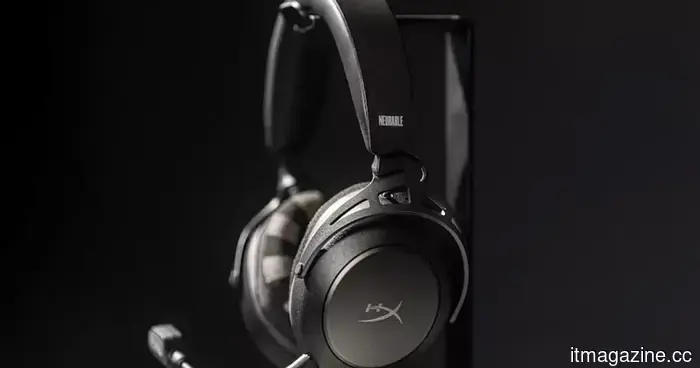
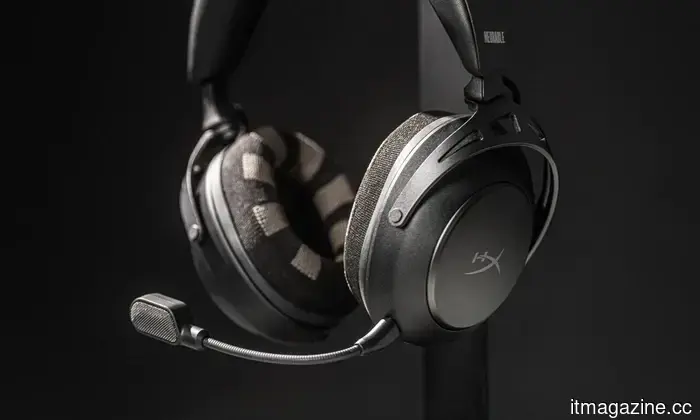
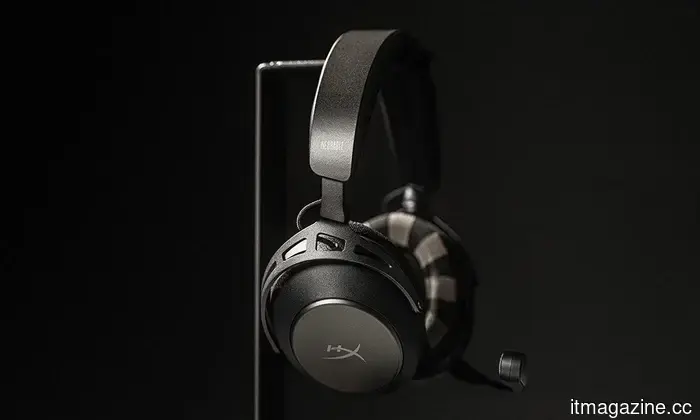
Neurable, a Boston-based company developing noninvasive brain-computer interface technology, is shifting to a licensing model. This means its EEG-based system could soon be integrated into a broader array of consumer devices beyond the company's own headphones. Other brands may incorporate the technology into familiar items like gaming headsets, smart glasses, hats, helmets, and other hearable devices. One of the first products anticipated to include this technology is a gaming headset created in partnership with HyperX.
This technology is not as futuristic as it may seem.
When most people think of "brain tech," they might envision Neuralink-style implants or some dramatic concept of mind reading. Neurable’s method is much less sensational. Its system utilizes electroencephalography (EEG), which measures brain electrical activity through sensors placed on the head. These signals are then processed using software models that estimate aspects such as focus, cognitive strain, mental recovery, readiness, and anxiety.
Instead of interpreting thoughts, Neurable aims to convert broad brain-state signals into consumer-friendly scores and prompts that resemble the health insights provided by smartwatches and fitness trackers. The company is banking on this approach—making it feel akin to smartwatches or fitness bands like Fitbit.
A headset that claims to track concentration or identify mental fatigue fits more seamlessly alongside wellness devices than a lab apparatus. Neurable discusses applications like gaming performance, student focus, workplace fatigue, and recovery from cognitive overload. The product's language is deliberately framed to avoid invasive surveillance, focusing instead on self-optimization, routine management, and improved daily performance.
Why this could become commonplace surprisingly quickly
The primary reason this might gain traction is due to its design. Consumer neurotechnology is not emerging as an awkward, medical-looking device. The hardware is integrated into products that people already know and purchase. This is how new categories gain social acceptance. Fitness tracking followed this route on the wrist, and brain-state tracking seems to be following suit through headphones and other head-mounted devices.
This philosophy also extends to the user experience. "Brain readiness" begins to resemble the familiar terminology of health metrics, similar to sleep scores or heart rate variability. Once enough products start offering insights into mental workload, fatigue, or focus, a new category of wearables will emerge.
There is potential here, but there are also significant concerns
There is real consumer interest in this. Many individuals would appreciate more reliable signals regarding burnout, stress, or cognitive fatigue. From students to gamers, anyone whose productivity relies more on mental acuity than physical capability could find this appealing. A wearable that indicates when focus is waning or recovery is necessary fits perfectly into a culture that is already fixated on "self-improvement."
However, trust is where things become complicated. Brain metrics naturally sound authoritative, leading to potential issues. Privacy concerns become much more pronounced when companies begin collecting data that feels more intimate than step counts or sleep patterns. Neurable claims its practices are privacy-conscious and based on consent, but those reassurances will undergo more intense scrutiny as the technology spreads across various brands and product categories.
The more troubling consequences extend beyond privacy issues. A system designed to monitor focus and cognitive stress may attract companies that desire more than wellness insights. It could be utilized to assess whether employees appear alert, engaged, or productive enough, representing a shift from self-tracking to workplace surveillance.
The underlying tension is easy to overlook due to the friendly packaging. A headset that promises improved focus seems beneficial. However, a marketplace filled with products aimed at scoring your mental state daily warrants more careful consideration before it becomes commonplace.
Other articles
 Won-Jin Lee assumes control of Samsung's TV division following a decline in profits.
Samsung has appointed Won-Jin Lee to lead its Visual Display division as the profit for Q1 from TVs decreased and TCL narrowed the gap to just one percentage point.
Won-Jin Lee assumes control of Samsung's TV division following a decline in profits.
Samsung has appointed Won-Jin Lee to lead its Visual Display division as the profit for Q1 from TVs decreased and TCL narrowed the gap to just one percentage point.
 Grok is set to join ChatGPT and Perplexity on your CarPlay dashboard.
Your car dashboard is gradually becoming a highly sought-after space for AI in technology. Grok is the newest entrant aiming for a presence there, and unlike the two chatbots already available on CarPlay, it is focusing solely on Voice mode.
Grok is set to join ChatGPT and Perplexity on your CarPlay dashboard.
Your car dashboard is gradually becoming a highly sought-after space for AI in technology. Grok is the newest entrant aiming for a presence there, and unlike the two chatbots already available on CarPlay, it is focusing solely on Voice mode.
 Motorola Razr+ 2026 vs. Razr Ultra: Is the $400 difference in price justifiable, and which model should you choose?
Both phones fold in the same manner, appear almost identical, and operate on the same software. So where does Motorola's $400 extra cost really come from?
Motorola Razr+ 2026 vs. Razr Ultra: Is the $400 difference in price justifiable, and which model should you choose?
Both phones fold in the same manner, appear almost identical, and operate on the same software. So where does Motorola's $400 extra cost really come from?
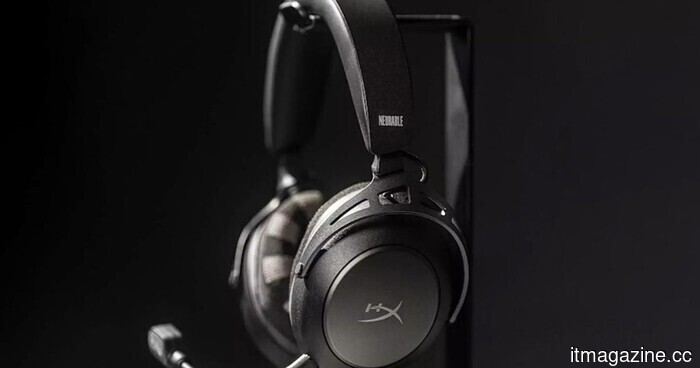 The era of brain monitoring devices akin to Fitbit may be nearer than we realize.
The forthcoming major trend in wearables might not track steps or calories; instead, it could assess your concentration, exhaustion, and preparedness.
The era of brain monitoring devices akin to Fitbit may be nearer than we realize.
The forthcoming major trend in wearables might not track steps or calories; instead, it could assess your concentration, exhaustion, and preparedness.
 Won-Jin Lee assumes leadership of Samsung's TV division following a decline in profits.
Samsung has appointed Won-Jin Lee to lead its Visual Display division as profits from TVs in Q1 decreased and TCL has narrowed the gap to just one percentage point.
Won-Jin Lee assumes leadership of Samsung's TV division following a decline in profits.
Samsung has appointed Won-Jin Lee to lead its Visual Display division as profits from TVs in Q1 decreased and TCL has narrowed the gap to just one percentage point.
 Meta prefers to exit New Mexico rather than redesign its applications for children.
New Mexico is requesting that a judge in Santa Fe compel Meta to implement changes to its algorithms, establish age verification, and contribute to a $3.7 billion fund for teen mental health. The company has responded with a threat to exit the market.
Meta prefers to exit New Mexico rather than redesign its applications for children.
New Mexico is requesting that a judge in Santa Fe compel Meta to implement changes to its algorithms, establish age verification, and contribute to a $3.7 billion fund for teen mental health. The company has responded with a threat to exit the market.
The era of brain monitoring devices, akin to Fitbits, may be nearer than we realize.
The upcoming major trend in wearables might not track steps or calories; instead, it could measure your concentration, tiredness, and preparedness.