
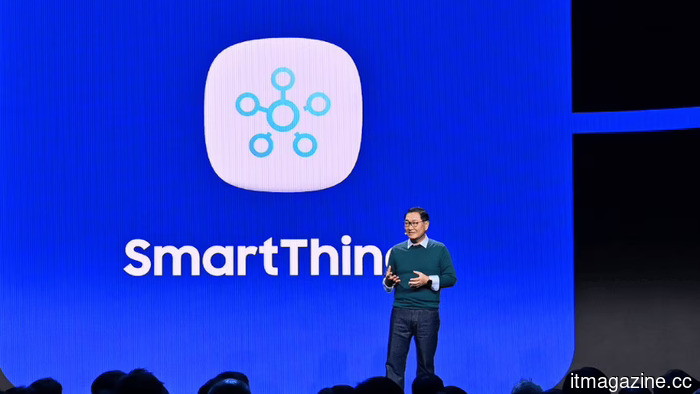
The wealth of Samsung's Lee family has surged to $45.5 billion due to the AI chip boom, while 30,000 employees are calling for a share of the profits and are threatening to strike.
**TL;DR** The Lee family, which oversees Samsung, has seen its wealth increase from $22.7 billion to $45.5 billion over the past year, rising from the tenth to the third position among Asia’s wealthiest families. This growth is attributed to a 186% increase in Samsung Electronics’ stock due to rising AI chip demand, with the first-quarter operating profit hitting 57.2 trillion won (8x year-over-year) thanks to HBM4 memory production for Nvidia. Meanwhile, 30,000 Samsung employees have held rallies demanding a 15% share of profits and are threatening 18 days of strikes.
The Lee family from South Korea, which controls Samsung, has doubled its wealth in just one year. According to Bloomberg’s Billionaires Index, the family’s wealth has risen to $45.5 billion from $22.7 billion last year, elevating them from tenth to third place among Asia’s richest families. This surge is not due to new products or management advancements but rather a 186% increase in Samsung Electronics' share price, primarily driven by global demand for high-bandwidth memory (HBM) chips essential for AI data centers. Samsung's operating profit for the first quarter hit 57.2 trillion won, approximately eight times the earnings from the same period last year. Although the Lee family did not create the AI sector, the industry heavily relies on Samsung's products, leading to a significant increase in wealth of $22.8 billion for the family in one year.
**The chip**
Samsung’s financial revival hinges on one product category: high-bandwidth memory, or HBM, which are specialized DRAM chips found in GPU modules needed for large AI model training and operation. Nvidia’s next-generation B300 server systems require HBM4 chips, and Samsung has begun mass production of HBM4, ahead of its main competitor, SK Hynix, after years of technological lag. This shift is significant because HBM offers margins that regular memory chips cannot achieve. In Samsung's first-quarter results, the semiconductor division contributed most of the profit increase, marking a turnaround from a cyclical downturn to the most profitable quarter in the company's history. The high-cost Nvidia B300 servers are being delivered to large tech firms and national AI initiatives globally, positioning Samsung as a major supplier of the required memory.
The reliance on a single product line presents both an opportunity and a risk for Samsung. HBM4 represents a significant advancement in memory technology, transitioning from stacked DRAM designs to a logic-integrated base die that facilitates better bandwidth and reduced power consumption. Samsung's timing in reaching mass production of HBM4 before competitors provided a pricing advantage reflected in first-quarter results. However, the supply chain for AI chips is known for its instability. Nvidia’s product cycles, the pace at which companies like Amazon, Google, Meta, and Microsoft expand their data centers, and geopolitical limitations on chip exports to China all influence how much HBM Samsung can sell and at what price. The stock's 186% rise over twelve months anticipates a sustained boom in AI infrastructure. If that boom slows, the same factors that increased the Lee family's wealth could also lead to a decline.
**The inheritance**
The increase in wealth comes at a pivotal time for the Lee family's financial situation. The heirs of the late Samsung chairman Lee Kun-hee, who passed away in October 2020, are managing the largest inheritance tax in South Korean history. This total obligation sits at roughly 12 trillion won, around $9 billion at current exchange rates, which the family committed to paying over six years. The final payment is due in April 2026, and the tax was calculated based on the estate's value at Lee Kun-hee's death when Samsung's stock price was substantially lower than its current value. The family has been covering these payments through a combination of dividends, stock sales, and loans against their Samsung shares. The recent stock surge has allowed the family to manage the inheritance tax, which once threatened their controlling stake, without necessitating a dilutive reconfiguration of the group's cross-shareholding structure. Thus, the family's control over the Samsung conglomerate remains secure.
This control stands out compared to global tech companies. Samsung is not a startup run by founders or a public corporation with distributed ownership; it is a chaebol, a family-controlled industrial conglomerate that maintains dominance through a network of cross-shareholdings across numerous subsidiaries. Direct equity stakes in Samsung Electronics by the Lee family are modest, around 5% of outstanding shares, but their influence is exerted through Samsung C&T, Samsung Life Insurance, and other group entities that collectively possess enough voting power to steer the company’s direction. The AI-driven rise in technology stock values has inflated the worth of every entity in this chain, significantly boosting the family's paper wealth beyond what their direct holdings in Samsung Electronics would suggest.
**The workers**
The wealth accumulation by the Lee family has
Other articles
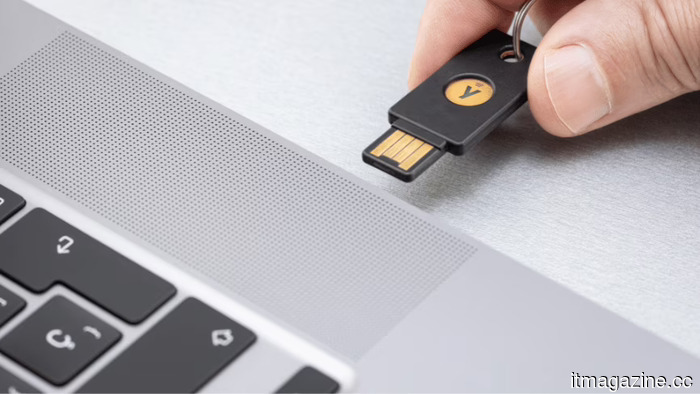 OpenAI introduces hardware security keys for ChatGPT in collaboration with Yubico and has discontinued password login for users deemed high-risk.
OpenAI's Enhanced Account Security substitutes passwords with hardware keys and passkeys, turns off email recovery, and excludes users from model training. Co-branded YubiKeys are priced at $68 for a pair.
OpenAI introduces hardware security keys for ChatGPT in collaboration with Yubico and has discontinued password login for users deemed high-risk.
OpenAI's Enhanced Account Security substitutes passwords with hardware keys and passkeys, turns off email recovery, and excludes users from model training. Co-branded YubiKeys are priced at $68 for a pair.
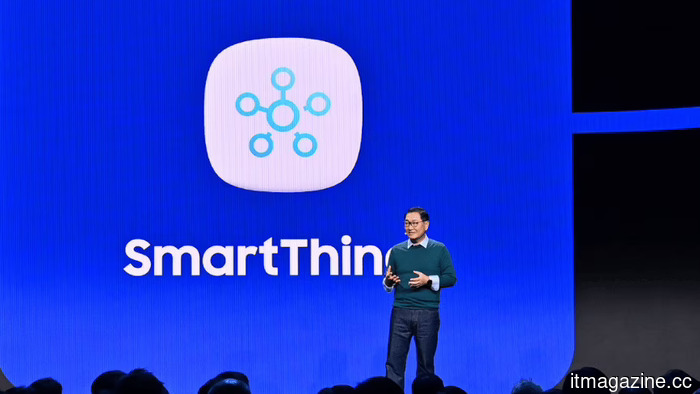 The wealth of Samsung's Lee family has increased to $45.5 billion due to the surge in AI chip demand, while 30,000 employees are demanding a share of the profits and are threatening to go on strike.
Samsung's Lee dynasty increased its wealth to $45.5 billion in just a year due to the demand for AI memory chips. Profits in the first quarter surged eightfold. Currently, 30,000 employees are threatening to go on strike for a share of the earnings.
The wealth of Samsung's Lee family has increased to $45.5 billion due to the surge in AI chip demand, while 30,000 employees are demanding a share of the profits and are threatening to go on strike.
Samsung's Lee dynasty increased its wealth to $45.5 billion in just a year due to the demand for AI memory chips. Profits in the first quarter surged eightfold. Currently, 30,000 employees are threatening to go on strike for a share of the earnings.
 What to buy for the mom who claims she doesn't want anything.
This post is presented to you as a paid collaboration with SKG. Finding a thoughtful Mother's Day gift is more challenging than it appears, and many typical choices tend to lose their significance after the occasion ends. The SKG G7 Pro Fold 3.0 neck massager and the SKG W9 Ultra 2.0 lower back massager are designed for everyday use, […]
What to buy for the mom who claims she doesn't want anything.
This post is presented to you as a paid collaboration with SKG. Finding a thoughtful Mother's Day gift is more challenging than it appears, and many typical choices tend to lose their significance after the occasion ends. The SKG G7 Pro Fold 3.0 neck massager and the SKG W9 Ultra 2.0 lower back massager are designed for everyday use, […]
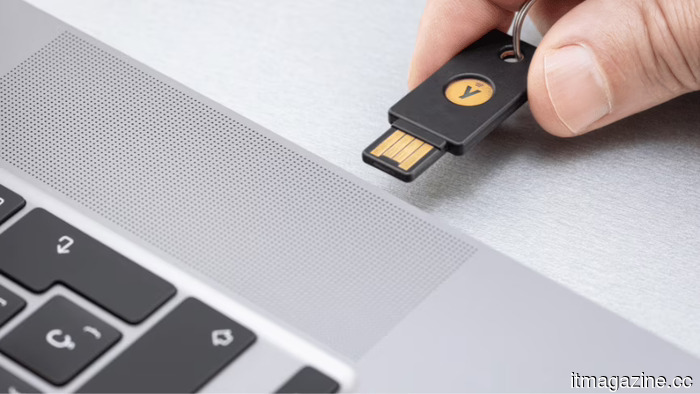 OpenAI introduces hardware security keys for ChatGPT in collaboration with Yubico and has disabled password-based login for users deemed high-risk.
OpenAI's Enhanced Account Security substitutes passwords with hardware keys and passkeys, eliminates email recovery options, and opts users out of model training. Co-branded YubiKeys are available for $68 for a set of two.
OpenAI introduces hardware security keys for ChatGPT in collaboration with Yubico and has disabled password-based login for users deemed high-risk.
OpenAI's Enhanced Account Security substitutes passwords with hardware keys and passkeys, eliminates email recovery options, and opts users out of model training. Co-branded YubiKeys are available for $68 for a set of two.
 Netflix introduces its own "Clips" vertical video feed to attract users from TikTok and Reels.
Netflix's new Clips feed introduces swipeable vertical videos within the app, allowing users to explore shows through brief snippets, bookmark them, and easily access full episodes.
Netflix introduces its own "Clips" vertical video feed to attract users from TikTok and Reels.
Netflix's new Clips feed introduces swipeable vertical videos within the app, allowing users to explore shows through brief snippets, bookmark them, and easily access full episodes.
 Finance ministers from the Eurozone will meet to discuss Anthropic's Mythos AI, as no EU government currently has access, and the White House is preventing its expansion.
EU finance ministers are set to discuss Mythos on Monday. No European government has access to the model. The Bundesbank asserts that the EU should request it. However, the White House disagrees.
Finance ministers from the Eurozone will meet to discuss Anthropic's Mythos AI, as no EU government currently has access, and the White House is preventing its expansion.
EU finance ministers are set to discuss Mythos on Monday. No European government has access to the model. The Bundesbank asserts that the EU should request it. However, the White House disagrees.
The wealth of Samsung's Lee family has surged to $45.5 billion due to the AI chip boom, while 30,000 employees are calling for a share of the profits and are threatening to strike.
Samsung's Lee dynasty saw its wealth increase to $45.5 billion within a year, fueled by demand for AI memory chips. Profits in Q1 surged eightfold. Currently, 30,000 employees are threatening to strike for a share of the profits.