
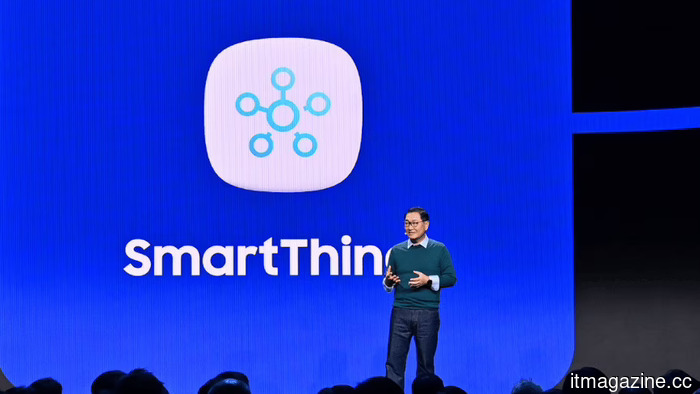
The wealth of Samsung's Lee family has increased to $45.5 billion due to the surge in AI chip demand, while 30,000 employees are demanding a share of the profits and are threatening to go on strike.
**TL;DR** The Lee family, which oversees Samsung, has seen its wealth double from $22.7 billion to $45.5 billion in the past year, rising from tenth to third place among Asia's wealthiest families. This increase is fueled by a 186% surge in Samsung Electronics' stock due to heightened demand for AI chips, with the first-quarter operating profit reaching 57.2 trillion won (eight times year-over-year) from HBM4 memory production for Nvidia. Meanwhile, 30,000 Samsung workers are protesting for a 15% profit share and warning of an impending 18-day strike.
The Lee family of South Korea controlling Samsung has doubled its wealth over the past year. According to Bloomberg’s Billionaires Index, their assets are now valued at $45.5 billion, up from $22.7 billion last year, moving them from tenth to third among Asia’s richest families. This growth stems from a significant 186% increase in Samsung Electronics’ share price, primarily driven by global demand for high-bandwidth memory chips crucial for AI data centers. In the first quarter, Samsung’s operating profit hit 57.2 trillion won, roughly eight times greater than the previous year. While the Lee family did not create the AI industry, its existence relies heavily on Samsung's products, resulting in an impressive $22.8 billion boost to the family’s wealth within just one year.
**The chip**
Samsung's financial recovery hinges on a single product line: high-bandwidth memory (HBM), specialized DRAM chips used in GPU modules for large AI models. The next-generation Nvidia B300 server systems require HBM4 chips, and Samsung has begun mass producing these ahead of its main competitor, SK Hynix. This moment is significant since HBM offers profit margins that traditional memory chips cannot achieve. When Samsung reported its first-quarter earnings, its semiconductor division was responsible for the bulk of profit growth, converting a cyclical downturn into one of its most profitable quarters in history. Nvidia's B300 servers, which can exceed $1 million each, are being sent to hyperscalers and government AI programs globally, and Samsung has emerged as a key supplier of the necessary memory components.
The focus on a single product category presents both an opportunity and a risk for Samsung. HBM4 represents a generational advancement in memory technology, shifting from a stacked DRAM design to a logic-integrated base die that improves bandwidth and reduces power usage. Samsung's early achievement in mass producing HBM4 before its rivals has given it a pricing advantage reflected in its first-quarter results. However, the AI chip supply chain is infamously unpredictable. The sales volume and pricing of HBM are influenced by Nvidia's product cycles, the construction pace of data centers by major firms like Amazon, Google, Meta, and Microsoft, as well as geopolitical restrictions on chip exports to China. The stock's 186% rise over the past twelve months indicates expectations of a sustained AI infrastructure boom; should this boom falter, the same forces that bolstered the Lee family's wealth could also reverse it.
**The inheritance**
The increased wealth comes at a pivotal time for the Lee family's financial situation. The descendants of the late Samsung chairman Lee Kun-hee, who passed away in October 2020, have been addressing the largest inheritance tax bill in South Korea's history, totaling approximately 12 trillion won, around $9 billion at current exchange rates. The family has opted to pay this amount in six annual installments, with the final payment due in April 2026. This tax was calculated based on the estate's value at the time of Lee Kun-hee's death, when Samsung's stock price was much lower than today. The family has managed to fund these payments through a combination of dividends, stock sales, and loans against their Samsung holdings. The recent stock rally has allowed them to manage the inheritance tax without jeopardizing their controlling interest in Samsung's cross-shareholding structure.
This control is distinctive compared to global tech firms. Samsung is neither a founder-led startup nor a publicly traded company with distributed ownership; it is a chaebol, a family-run industrial conglomerate with the founding family in control through intricate cross-shareholding among numerous subsidiaries. The Lee family's direct ownership in Samsung Electronics is relatively small, around 5% of outstanding shares, but they maintain control through entities like Samsung C&T and Samsung Life Insurance, which collectively possess sufficient voting power to steer the company. The AI-fueled rise in tech stocks has boosted the valuation of all entities in this chain, significantly enhancing the family's perceived wealth beyond what their direct holdings in Samsung Electronics would imply.
**The workers**
The wealth increase has not gone unnoticed among Samsung's workforce. In March, around 30,000 members of the National Samsung Electronics Union protested outside the company's semiconductor facility in Hwaseong, marking the largest labor demonstration in the company's history. The union is seeking a profit-sharing plan
Other articles
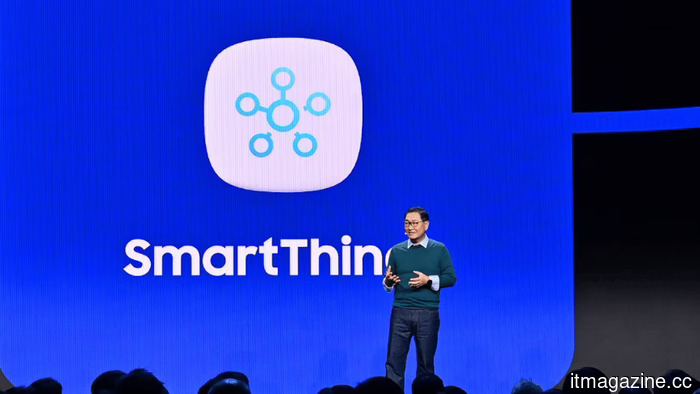 The wealth of Samsung's Lee family has increased to $45.5 billion due to the surge in AI chip demand, while 30,000 employees are calling for a share of the profits and have threatened to strike.
The Lee dynasty of Samsung increased its wealth to $45.5 billion within a year due to the demand for AI memory chips. Profits in the first quarter surged eightfold. Currently, 30,000 employees are threatening to go on strike for a share of the profits.
The wealth of Samsung's Lee family has increased to $45.5 billion due to the surge in AI chip demand, while 30,000 employees are calling for a share of the profits and have threatened to strike.
The Lee dynasty of Samsung increased its wealth to $45.5 billion within a year due to the demand for AI memory chips. Profits in the first quarter surged eightfold. Currently, 30,000 employees are threatening to go on strike for a share of the profits.
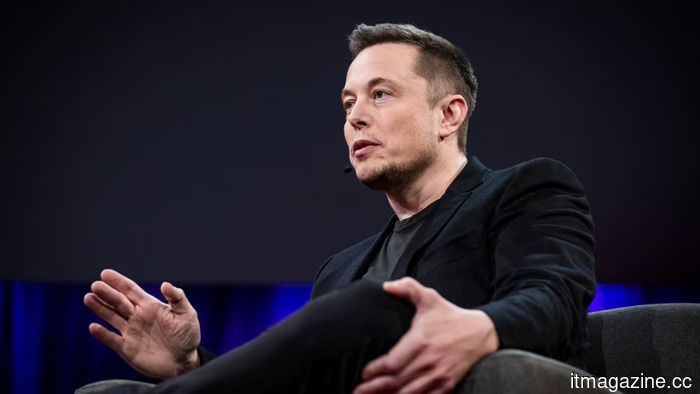 Musk referred to himself as 'a fool' while testifying for financially supporting OpenAI.
Elon Musk referred to himself as ‘a fool’ while testifying and had an intense confrontation with OpenAI’s attorney during a heated cross-examination on the third day of Musk v. Altman.
Musk referred to himself as 'a fool' while testifying for financially supporting OpenAI.
Elon Musk referred to himself as ‘a fool’ while testifying and had an intense confrontation with OpenAI’s attorney during a heated cross-examination on the third day of Musk v. Altman.
 The incorporation of AI requires responsibility, not merely advancement.
With the rapid adoption of AI, it is essential for leaders to focus on accountability, ethics, and oversight. This is because integrity is now the key factor in effective AI integration.
The incorporation of AI requires responsibility, not merely advancement.
With the rapid adoption of AI, it is essential for leaders to focus on accountability, ethics, and oversight. This is because integrity is now the key factor in effective AI integration.
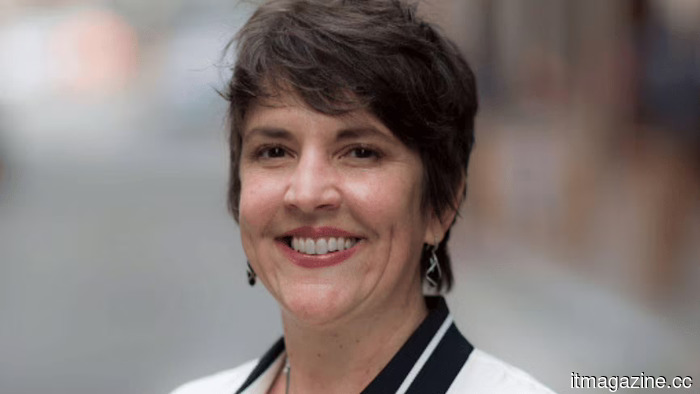 The necessity for startups to engage fractional CFOs for AI-powered financial decision-making.
AI is revolutionizing startup finance, but lacking expert advice can result in poor choices. Here’s why fractional CFOs are increasingly vital.
The necessity for startups to engage fractional CFOs for AI-powered financial decision-making.
AI is revolutionizing startup finance, but lacking expert advice can result in poor choices. Here’s why fractional CFOs are increasingly vital.
 Finance ministers from the Eurozone will meet to discuss Anthropic's Mythos AI, as no EU government currently has access, and the White House is preventing its expansion.
EU finance ministers are set to discuss Mythos on Monday. No European government has access to the model. The Bundesbank asserts that the EU should request it. However, the White House disagrees.
Finance ministers from the Eurozone will meet to discuss Anthropic's Mythos AI, as no EU government currently has access, and the White House is preventing its expansion.
EU finance ministers are set to discuss Mythos on Monday. No European government has access to the model. The Bundesbank asserts that the EU should request it. However, the White House disagrees.
 Netflix introduces its own "Clips" vertical video feed to attract users from TikTok and Reels.
Netflix's new Clips feed introduces swipeable vertical videos within the app, allowing users to explore shows through brief snippets, bookmark them, and easily access full episodes.
Netflix introduces its own "Clips" vertical video feed to attract users from TikTok and Reels.
Netflix's new Clips feed introduces swipeable vertical videos within the app, allowing users to explore shows through brief snippets, bookmark them, and easily access full episodes.
The wealth of Samsung's Lee family has increased to $45.5 billion due to the surge in AI chip demand, while 30,000 employees are demanding a share of the profits and are threatening to go on strike.
Samsung's Lee dynasty increased its wealth to $45.5 billion in just a year due to the demand for AI memory chips. Profits in the first quarter surged eightfold. Currently, 30,000 employees are threatening to go on strike for a share of the earnings.