

Press freedom reaches its lowest point in 25 years as RSF identifies tech platforms in addition to authoritarian regimes as contributing factors.
**TL;DR** The 2026 RSF World Press Freedom Index indicates the lowest level of press freedom in 25 years. Over half of all countries are now rated as “difficult” or “very serious,” with less than one percent of the global population living in a country classified as “good.” The United States has fallen to 64th place, its lowest rank ever. The report cites technology platforms, particularly Meta's cessation of fact-checking and Musk’s frequent criticisms of the media, as contributing factors alongside authoritarian regimes and the criminalization of journalism in 110 countries.
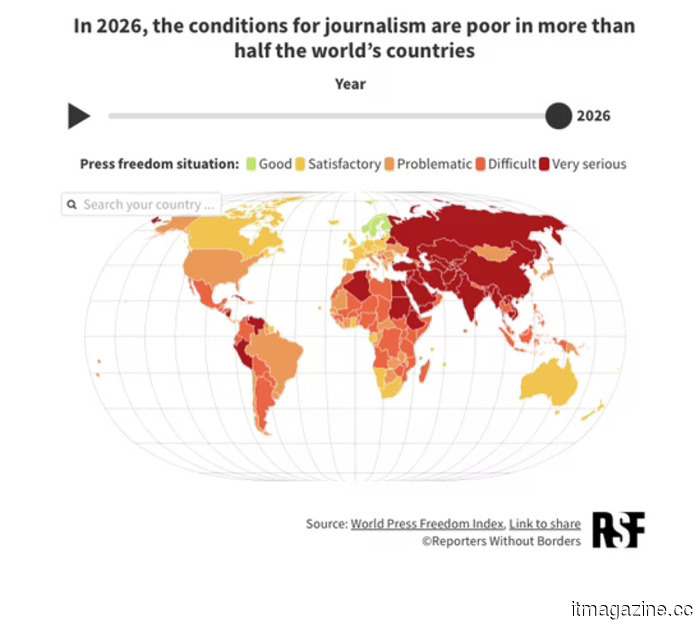
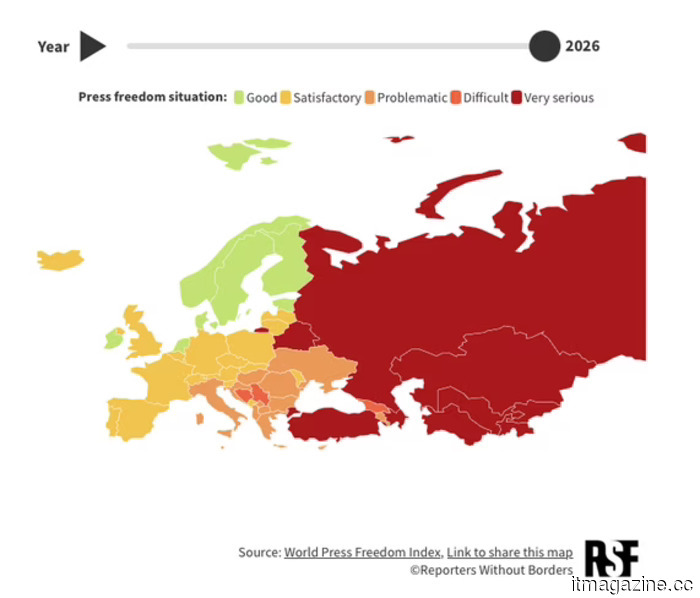
For the first time in the 25 years since the World Press Freedom Index was established, more than half of the nations worldwide are categorized as having “difficult” or “very serious” press freedom situations. This percentage has increased to 52.2% from 13.7% when Reporters Without Borders launched the index in 2002. The proportion of the population in countries with a “good” press freedom rating has drastically fallen from 20% to less than one percent. Currently, only seven countries, all in northern Europe and led continuously by Norway for ten years, still qualify. The overall score across all 180 countries and territories is at an all-time low. The report, released on April 30, identifies familiar factors: authoritarian governments, emergency laws misused to silence journalists, and the violence that has led to the deaths of over 220 media workers in Gaza since October 2023. Additionally, it addresses a cause that the tech industry might prefer to overlook: the platforms themselves. According to Anne Bocande, RSF’s editorial director, “authoritarian states, colluding or ineffective political powers, exploitative economic entities, and poorly regulated online platforms” collectively contribute to this decline. The technology sector is implicated across all categories except the first.
**The Numbers**
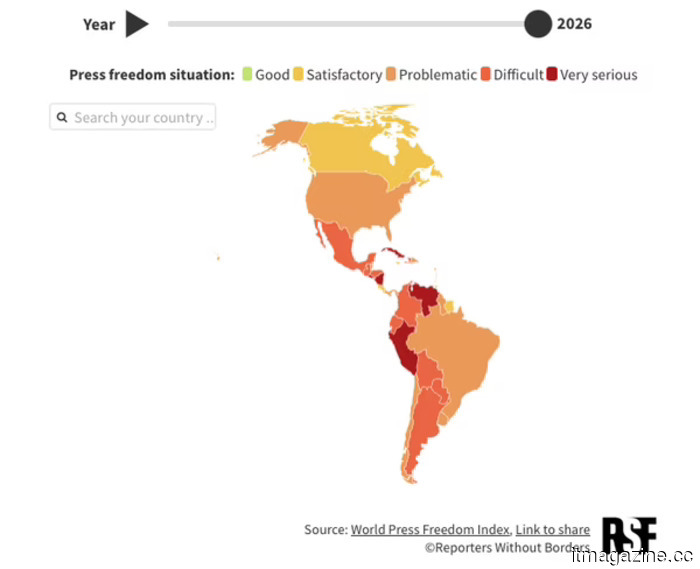
The 2026 index shows that press freedom has worsened in 100 out of 180 nations. Over 60% of countries, amounting to 110, have enacted laws that criminalize media workers through measures like anti-terrorism laws, national security statutes, and vaguely defined disinformation regulations. The legal environment has deteriorated the fastest among all indicators, with declines recorded in more than 60% of countries. Russia ranks 172nd, with 48 journalists imprisoned. China is at 178th, and India stands at 157th. Hong Kong has plummeted 122 spots to 140th since Beijing tightened its grip on the region. El Salvador has dropped 105 positions since 2014, while Georgia has slipped 75 spots due to increased governmental suppression of the press. Eritrea remains at the bottom of the ranking for the third consecutive year. A notable exception is Syria, which improved by 36 places following the fall of the Assad regime, marking the largest single-year gain in the index's history.
The United States has fallen seven spots to 64th, its lowest ever. RSF attributes this decline to the Trump administration’s “systematic” attacks on press freedom, which included the detention and deportation of Salvadoran journalist Mario Guevara, who reported on migrant arrests, significant cuts to funding for US international broadcasting, efforts to dismantle public broadcasters, and the punitive actions against critical media outlets. “Since taking office, Trump and his administration have waged a coordinated war against press freedom, and we will bear the consequences for years to come,” stated Clayton Weimers, executive director of RSF’s North America section. According to the Varieties of Democracy Institute’s 2026 Democracy Report, US freedom of expression levels have diminished to those seen during World War II. Once viewed as the global custodian of press freedom, the US is now ranked below Burkina Faso.
**The 2026 Index and Technology’s Role**
The 2026 index dedicates more focus to technology companies than previous editions, and the language used is direct. RSF discusses the “growing dominance of major technology companies” and the repercussions of their changing policies, which create an environment conducive to the spread of hate speech and disinformation. The report specifies factors like platform algorithms promoting disinformation over verified content, the facilitation of Russian disinformation through platform infrastructure, and the removal of platform-based fact-checking.
The latter addresses Meta’s choice to dismantle its fact-checking program, opting instead for a model similar to X’s Community Notes. RSF refers to this change as the “Muskification” of Meta’s platforms, where “private sector interests take precedence over the necessity for a fact-based public discourse.” Elon Musk himself prominently features in the report, with RSF documenting over 1,000 hostile media posts by him on X between September 2024 and September 2025—averaging nearly three attacks daily. RSF has submitted a legal complaint against X in France, alleging that the platform systematically allows disinformation to thrive
Other articles
 McKinsey's latest AI report claims that the productivity benefits are genuine but contingent.
McKinsey's latest report contends that the majority of companies are speeding up their current tasks instead of rethinking their workflows in relation to AI.
McKinsey's latest AI report claims that the productivity benefits are genuine but contingent.
McKinsey's latest report contends that the majority of companies are speeding up their current tasks instead of rethinking their workflows in relation to AI.
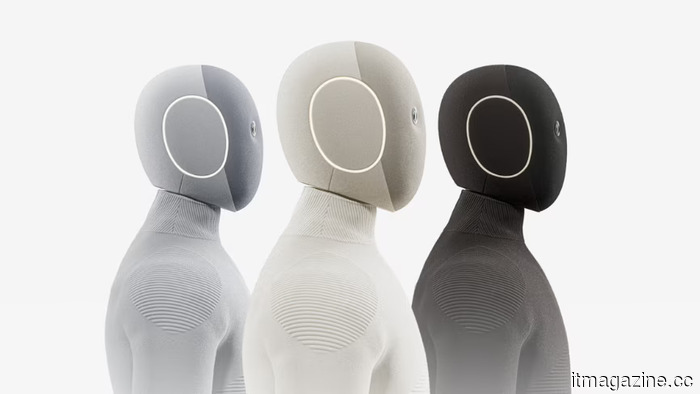 1X has begun delivering NEO humanoid robots to households in the US.
Backed by OpenAI, 1X has launched a factory in Hayward, California, with plans to manufacture 10,000 NEO home humanoid robots in the first year, increasing production to over 100,000 by the close of 2027.
1X has begun delivering NEO humanoid robots to households in the US.
Backed by OpenAI, 1X has launched a factory in Hayward, California, with plans to manufacture 10,000 NEO home humanoid robots in the first year, increasing production to over 100,000 by the close of 2027.
 The Xbox mode is arriving on all Windows PCs, offering a full-screen experience.
The Xbox mode is being released for Windows 11 PCs, laptops, and tablets, providing a full-screen gaming experience that is optimized for controllers and accessible to more players than before.
The Xbox mode is arriving on all Windows PCs, offering a full-screen experience.
The Xbox mode is being released for Windows 11 PCs, laptops, and tablets, providing a full-screen gaming experience that is optimized for controllers and accessible to more players than before.
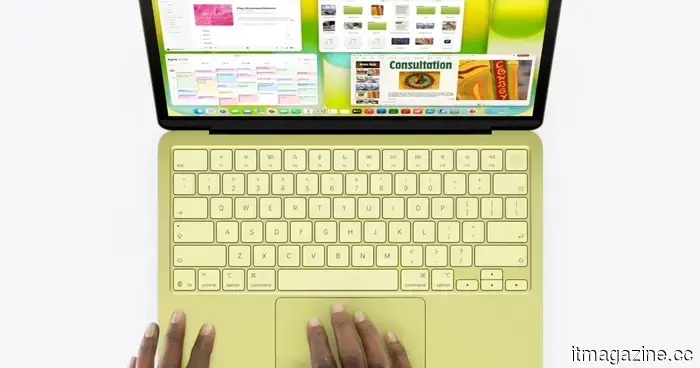 Apple reports that users are purchasing Macs at an unprecedented rate, leading to a supply shortage.
Apple is struggling to meet the unprecedented demand for Macs after the MacBook Neo and the AI-enabled Mac Mini and Studio sold out more quickly than the company expected.
Apple reports that users are purchasing Macs at an unprecedented rate, leading to a supply shortage.
Apple is struggling to meet the unprecedented demand for Macs after the MacBook Neo and the AI-enabled Mac Mini and Studio sold out more quickly than the company expected.
 Press freedom has reached a 25-year low, with RSF identifying technology platforms alongside authoritarian regimes as contributing factors.
The RSF's 2026 index indicates the lowest level of press freedom in the past 25 years. More than half of the countries surveyed are rated as facing difficult conditions or worse. The report identifies Meta, X, and AI-generated disinformation as fundamental factors contributing to this situation.
Press freedom has reached a 25-year low, with RSF identifying technology platforms alongside authoritarian regimes as contributing factors.
The RSF's 2026 index indicates the lowest level of press freedom in the past 25 years. More than half of the countries surveyed are rated as facing difficult conditions or worse. The report identifies Meta, X, and AI-generated disinformation as fundamental factors contributing to this situation.
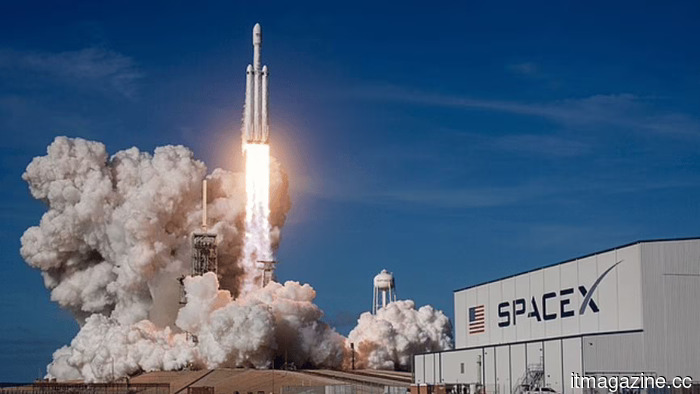 SpaceX has invested over $15 billion in the Starship project.
SpaceX has invested over $15 billion in the development of Starship and is aiming for a launch frequency similar to that of airlines.
SpaceX has invested over $15 billion in the Starship project.
SpaceX has invested over $15 billion in the development of Starship and is aiming for a launch frequency similar to that of airlines.
Press freedom reaches its lowest point in 25 years as RSF identifies tech platforms in addition to authoritarian regimes as contributing factors.
RSF's 2026 index indicates that press freedom is at its lowest point in 25 years, with more than half of all countries classified as having difficult or worse conditions. The report identifies Meta, X, and AI-generated disinformation as underlying factors contributing to this decline.