
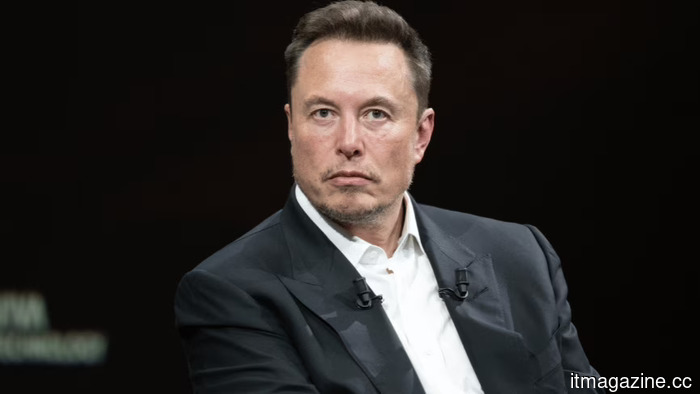
Musk states that the OpenAI trial will establish a significant precedent for
TL;DR Elon Musk testified on Tuesday that his lawsuit against OpenAI will establish a legal precedent for all charitable giving in the U.S. He stated, “If we make it okay to loot a charity, the entire foundation of charitable giving in America will be destroyed,” while addressing the jury. He does not seek personal financial gain but aims to recover up to $134 billion for OpenAI’s nonprofit, remove Altman from leadership, and reinstate the organization’s nonprofit status. OpenAI argues that Musk initially endorsed the for-profit restructuring, left the organization, and is now suing to undermine a competitor.
During his testimony, Musk emphasized that his lawsuit is not about personal grievances but rather about protecting charitable institutions. He expressed concern that if Altman and Brockman are allowed to succeed in their actions, it will set a harmful precedent for charity law. Musk’s legal strategy hinges on persuading nine jurors that this dispute among billionaires is fundamentally about ensuring trust in the charitable sector. He described the case as straightforward, contrary to its intricate details, and noted that the jury’s perception of Musk’s narrative versus OpenAI’s complexity will heavily influence the outcome.
Musk was the first to testify, following a brief recess after opening statements. His attorney Steven Molo stated that without Musk, OpenAI would not exist and accused the organization’s leaders of benefiting themselves while violating the charity's principles. Using a museum analogy, Molo suggested that a nonprofit cannot sell its valuable items for profit. On the witness stand, Musk aimed to present himself as a misled donor rather than a competing business figure. He asserts that his $44 million donation established a charitable trust requiring OpenAI to remain a nonprofit, and that its shift to a for-profit model in October 2025 breached that trust.
Musk has declared that he does not seek any personal financial gain from the case. Instead, any awarded damages would benefit OpenAI’s nonprofit governance. He is also asking for the removal of Altman and Brockman from their positions and a court order to reverse the for-profit structure. His renouncement of personal benefits is a strategic move to counter OpenAI’s claims of competitive jealousy and position Musk as acting for the public good. How the jury views Musk’s credibility, particularly regarding the timing of his lawsuit in relation to his own AI endeavor, will be pivotal in the trial.
In OpenAI’s opening statement, William Savitt argued that Musk's lawsuit stems from his failure to control the company after he resigned, claiming Musk supported a for-profit model only if he was in charge. He referenced Musk’s attempts to merge OpenAI with Tesla and suggested that the other founders resisted Musk’s desire for dominance, citing an email from a former board member offering restructuring options. Savitt contended that Musk’s history indicates he wanted a for-profit system and tried to gain control but was unsuccessful.
The two opposing narratives cannot coexist without conflict. Musk’s story requires the jury to view his $44 million donation as an altruistic act betrayed by the organization’s shift to profit, while OpenAI’s account urges the jury to see Musk as a challenger who wanted to lead the for-profit initiative, left, and is now using litigation to harm a rival. The email from Zilis is a critical piece of evidence; if it reveals Musk supporting for-profit plans, it would weaken his claims about a charitable trust. Conversely, if it shows Musk insisting on control, it aligns with OpenAI’s argument but raises questions about whether the conversion was a unilateral decision.
The trial's outcome has significant commercial ramifications. OpenAI is nearing a trillion-dollar valuation and is planning a potentially historic initial public offering. A ruling against the legality of the for-profit conversion could necessitate reversing the October changes, returning assets to the nonprofit, and possibly delaying the IPO. Musk's filing asserts that no corporation has transitioned from a tax-exempt charity to a $157 billion profit-driven entity in such a short time frame without violating legal principles. The trial is expected to span three weeks, with Musk and Altman giving over two hours of testimony each, alongside other key figures.
The advisory jury will provide a liability verdict that Judge Yvonne Gonzalez Rogers is likely to accept. If liability is confirmed, a remedies phase beginning around May 18 will decide on financial restitution, executive removals, or structural reversals. The judge solely controls structural remedies, with the jury only advising on monetary damages, which is crucial since Musk’s request to revert to nonprofit status lies entirely in the judge's authority. OpenAI’s recent funding round, which valued the company at $852 billion and involved significant investments, is contingent on the for-profit structure. A court order mandating its reversal would have catastrophic implications, undermining the legal standing of all investments made since the conversion. While Musk claims the case is simple, the implications are quite complex.
Other articles
 Logitech's latest G512 X gaming keyboard delivers exceptional performance alongside extensive customization options.
Logitech's newest gaming keyboard offers PC gamers additional options to customize, adjust, and showcase their setup, including the responsiveness of each key.
Logitech's latest G512 X gaming keyboard delivers exceptional performance alongside extensive customization options.
Logitech's newest gaming keyboard offers PC gamers additional options to customize, adjust, and showcase their setup, including the responsiveness of each key.
 From Audio to Home Technology: Factors to Consider This Mother's Day
The transition to over-the-counter hearing aids has transformed the way individuals manage their hearing health. Issues that were previously postponed because of expense or complexity can now be tackled sooner, thanks to devices that are simpler to use and much more adaptable to everyday life. This is significant not only for older users but also for a […]
From Audio to Home Technology: Factors to Consider This Mother's Day
The transition to over-the-counter hearing aids has transformed the way individuals manage their hearing health. Issues that were previously postponed because of expense or complexity can now be tackled sooner, thanks to devices that are simpler to use and much more adaptable to everyday life. This is significant not only for older users but also for a […]
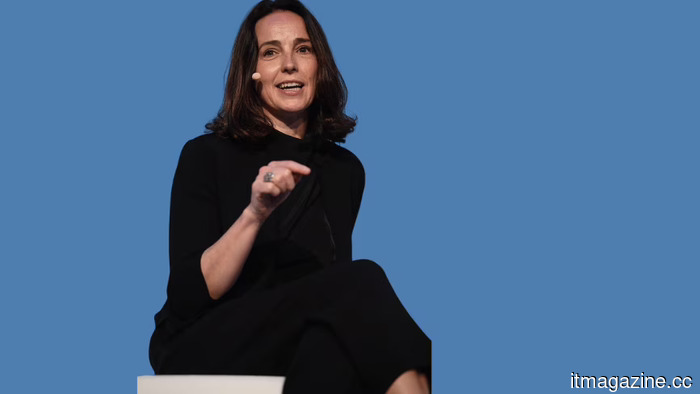 OpenAI states that it is
OpenAI rejected a WSJ report about unmet targets as mere clickbait. In reaction, investors began selling shares of Oracle, CoreWeave, SoftBank, and chip stocks. The key issue now is whether the $600 billion in commitments continues to be viable.
OpenAI states that it is
OpenAI rejected a WSJ report about unmet targets as mere clickbait. In reaction, investors began selling shares of Oracle, CoreWeave, SoftBank, and chip stocks. The key issue now is whether the $600 billion in commitments continues to be viable.
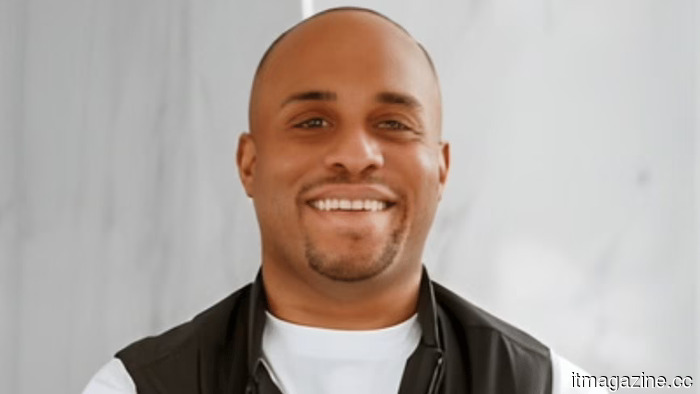 Scholly's founder, Christopher Gray, has filed a lawsuit against Sallie Mae, claiming wrongful termination and the sale of student data, including that of minors.
Christopher Gray created Scholly to assist students in locating scholarships. Following its acquisition by Sallie Mae, he claims he was dismissed for protesting the sale of users' personal data, which included information about minors.
Scholly's founder, Christopher Gray, has filed a lawsuit against Sallie Mae, claiming wrongful termination and the sale of student data, including that of minors.
Christopher Gray created Scholly to assist students in locating scholarships. Following its acquisition by Sallie Mae, he claims he was dismissed for protesting the sale of users' personal data, which included information about minors.
 Samsung is facing a potential ban on its foldable phones in the US due to a patent conflict.
A recent lawsuit alleges that Samsung has violated foldable phone patents and is requesting a ban on sales in the US, although the allegations have not yet been substantiated.
Samsung is facing a potential ban on its foldable phones in the US due to a patent conflict.
A recent lawsuit alleges that Samsung has violated foldable phone patents and is requesting a ban on sales in the US, although the allegations have not yet been substantiated.
 AI is making its way to Linux, but it won't be in an annoying manner that will frustrate you.
Ubuntu is gradually incorporating AI into the operating system, emphasizing optional features, local processing, and tools that improve workflows without interfering with the conventional Linux experience.
AI is making its way to Linux, but it won't be in an annoying manner that will frustrate you.
Ubuntu is gradually incorporating AI into the operating system, emphasizing optional features, local processing, and tools that improve workflows without interfering with the conventional Linux experience.
Musk states that the OpenAI trial will establish a significant precedent for
Musk informed the jurors that his lawsuit against OpenAI aims to safeguard charitable contributions rather than serve his own interests. He has rejected any financial advantage and is advocating for a mandatory return to a nonprofit status. In response, OpenAI claims he was seeking to exert control.