
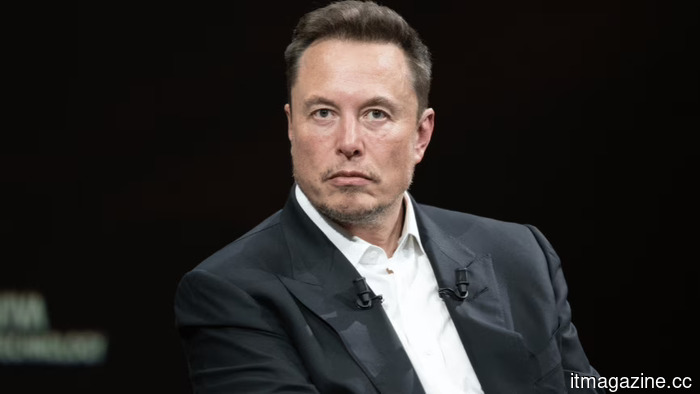
Musk states that the OpenAI case will establish a precedent for
Elon Musk testified on Tuesday that his lawsuit against OpenAI aims to set a legal precedent for charitable giving in the U.S. He expressed concerns that allowing a charity to be exploited would jeopardize the foundation of charitable contributions in America. Musk has given up any personal financial gain from the lawsuit and is seeking the return of up to $134 billion to OpenAI’s nonprofit, the removal of Sam Altman, and a reinstatement of its nonprofit status. OpenAI argues that Musk supported the for-profit transformation while seeking to lead and is now suing to undermine a competitor.
In his testimony, Musk asserted that the lawsuit is not about him personally. He stated, “It is not okay to steal a charity,” emphasizing that if Altman and Brockman succeed in their actions, it would set a precedent detrimental to charitable organizations across America. Musk’s strategy relies on persuading the jury that what appears to be a dispute among billionaires is fundamentally about protecting the trustworthiness of American charities. “It’s actually very simple,” he said, although many aspects of the case are far from straightforward. The jury’s perception of Musk’s narrative versus OpenAI’s complexity will influence whether OpenAI is compelled to revert its for-profit change that contributed to its $852 billion valuation.
Musk was the first witness after a break for opening statements. His lawyer emphasized Musk's pivotal role in OpenAI's formation while arguing that the leadership had acted against the charity's foundational principles. Musk’s aim was to position himself as a deceived donor rather than a competitive rival, arguing that his $44 million donation created a charitable trust obligating OpenAI to maintain its nonprofit status. Converting to a for-profit model breached that trust.
Musk has distanced himself from any personal financial stakes in the case. Any awarded damages would benefit OpenAI's nonprofit foundation, not himself. He’s also pursuing the removal of Altman and Brockman from their positions and an order to revert OpenAI to its nonprofit status. This renunciation strategically counters OpenAI’s claims that Musk is motivated by jealousy and positions him as acting for the public good. The jury's acceptance of Musk’s narrative, given past credibility issues, is critical for the trial’s liability phase.
Prior to Musk's testimony, OpenAI’s lawyer William Savitt presented a stark opening statement, suggesting that Musk's lawsuit stems from his dissatisfaction after leaving OpenAI. He claimed that Musk initially supported a for-profit model with himself at the helm but later tried to dominate the organization. Savitt revealed emails pointing to Musk’s backing of a for-profit structure, asserting that throughout his involvement, Musk never insisted on maintaining a strictly nonprofit framework.
The contrasting stories present a challenge: Musk’s narrative hinges on his belief that he entrusted $44 million to a nonprofit and was betrayed by its leaders, while OpenAI argues Musk wanted control and is now using the legal system to harm a rival. A pivotal email from a former board member could either support Musk’s claims or contradict them, complicating the argument of theft.
The outcome of this trial has significant implications. OpenAI is nearing a trillion-dollar valuation and planning a massive initial public offering. If the court rules that the shift to for-profit status was illegal, the company might have to reverse the restructuring, return assets to the nonprofit, and face delays in the IPO. Musk’s legal filing states this type of corporate transformation has never happened before, emphasizing the potential legal breaches involved.
The trial is expected to last three weeks, with both Musk and Altman set to give extensive testimonies. The judge, Yvonne Gonzalez Rogers, will likely follow the advisory jury’s verdict on liability. If liability is established, a subsequent phase will decide on any remedies. The judge has the authority over structural remedies, while the jury will focus on damages. Musk’s primary request for OpenAI to revert to a nonprofit status falls within the judge's jurisdiction, irrespective of the jury's findings. A court decision could severely impact OpenAI’s funding agreements and its operational legitimacy. Musk insists the matter is straightforward, but the stakes are deeply complex.
Other articles
 The Google Play Store will improve the process of locating apps that have an appealing appearance on tablets and foldable devices.
The forthcoming v51.2 update of the Google Play Store introduces a large-screen optimization badge to app listings, clearly indicating which apps are designed for tablets and foldable devices.
The Google Play Store will improve the process of locating apps that have an appealing appearance on tablets and foldable devices.
The forthcoming v51.2 update of the Google Play Store introduces a large-screen optimization badge to app listings, clearly indicating which apps are designed for tablets and foldable devices.
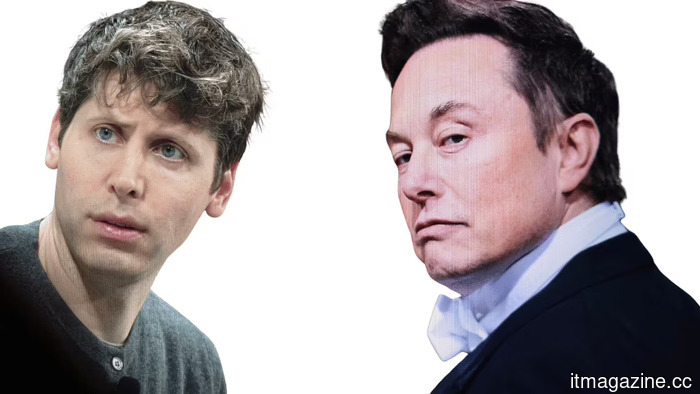 Musk v. Altman opening statements:
The opening statements in the Musk-Altman trial highlighted the strategies of both parties. Musk's attorney claimed, "they took a charity." In contrast, OpenAI's lawyer stated, "he resigned and filed a lawsuit once they achieved success." Musk was the first to testify.
Musk v. Altman opening statements:
The opening statements in the Musk-Altman trial highlighted the strategies of both parties. Musk's attorney claimed, "they took a charity." In contrast, OpenAI's lawyer stated, "he resigned and filed a lawsuit once they achieved success." Musk was the first to testify.
 AI is making its way to Linux, but it won't be in an annoying manner that will frustrate you.
Ubuntu is gradually incorporating AI into the operating system, emphasizing optional features, local processing, and tools that improve workflows without interfering with the conventional Linux experience.
AI is making its way to Linux, but it won't be in an annoying manner that will frustrate you.
Ubuntu is gradually incorporating AI into the operating system, emphasizing optional features, local processing, and tools that improve workflows without interfering with the conventional Linux experience.
 Google has entered into a classified AI agreement with the Pentagon for
Google granted the Pentagon classified access to Gemini for "any lawful purpose" just one day after more than 580 employees staged a protest. Additionally, the company withdrew from a $100 million drone swarm competition following an ethics review.
Google has entered into a classified AI agreement with the Pentagon for
Google granted the Pentagon classified access to Gemini for "any lawful purpose" just one day after more than 580 employees staged a protest. Additionally, the company withdrew from a $100 million drone swarm competition following an ethics review.
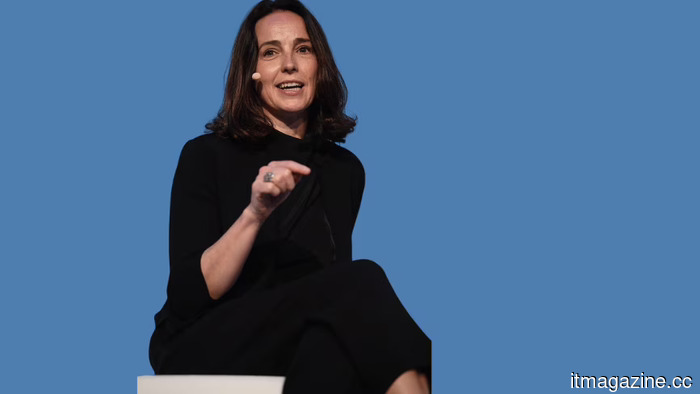 OpenAI states that it is
OpenAI rejected a WSJ report about unmet targets as mere clickbait. In reaction, investors began selling shares of Oracle, CoreWeave, SoftBank, and chip stocks. The key issue now is whether the $600 billion in commitments continues to be viable.
OpenAI states that it is
OpenAI rejected a WSJ report about unmet targets as mere clickbait. In reaction, investors began selling shares of Oracle, CoreWeave, SoftBank, and chip stocks. The key issue now is whether the $600 billion in commitments continues to be viable.
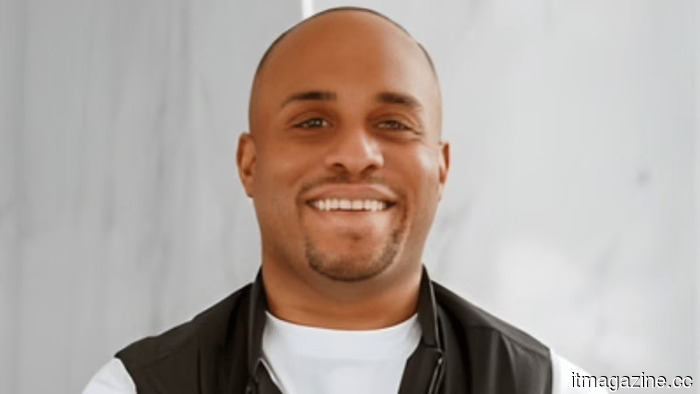 Scholly's founder, Christopher Gray, has filed a lawsuit against Sallie Mae, claiming wrongful termination and the sale of student data, which includes information about minors.
Christopher Gray created Scholly to assist students in locating scholarships. Following its acquisition by Sallie Mae, he claims he was dismissed for opposing the sale of users' personal data, which included information about minors.
Scholly's founder, Christopher Gray, has filed a lawsuit against Sallie Mae, claiming wrongful termination and the sale of student data, which includes information about minors.
Christopher Gray created Scholly to assist students in locating scholarships. Following its acquisition by Sallie Mae, he claims he was dismissed for opposing the sale of users' personal data, which included information about minors.
Musk states that the OpenAI case will establish a precedent for
Musk informed the jurors that his lawsuit against OpenAI is focused on safeguarding charitable contributions rather than seeking personal advantages. He has given up any financial benefit and is advocating for a return to the nonprofit status. OpenAI, however, claims that he was aiming for control.