

The upcoming breakthrough in the iPhone landscape may originate from an AI company rather than Samsung or Apple.
Your smartphone is loaded with a multitude of apps. OpenAI aims to replace all of them with a single AI agent designed to accomplish tasks efficiently. This vision is central to the company’s plans to develop its own smartphone, featuring a custom processor created in collaboration with MediaTek and Qualcomm, as first reported by analyst Ming-Chi Kuo on X.
Sam Altman appears to concur with this idea. In a post on X, the OpenAI CEO stated, “It seems like a good time to seriously rethink the design of operating systems and user interfaces.” This is a clear indication of the company's direction.
Why is OpenAI interested in creating a phone?
There have been previous efforts to develop genuinely agentic AI, such as Rabbit, Humane AI Pin, and various other AI devices. However, these lacked seamless integration with existing phones, apps, and services, which ultimately led to their unsuccessful outcomes. OpenAI seems to aim to overcome these limitations by launching its own smartphone that offers users a real AI assistant.
There are three convincing reasons for this strategy. First, to create a comprehensive AI agent experience, OpenAI needs complete oversight of both the software and hardware. Depending on Android or iOS would mean adhering to external guidelines.
Second, smartphones possess more personal data about users than any other device. They monitor your location, habits, and daily context in real time. This type of information is invaluable for an AI agent that seeks to anticipate your needs before you voice them.
Third, smartphones are the largest category of devices globally, and if OpenAI intends to scale its efforts, this is the space it should occupy.
How will the AI function on this phone?
According to Ming-Chi Kuo, the new OpenAI smartphone will operate on a two-tier system. Lighter tasks, such as understanding your context, managing memory, and executing smaller AI models, will be processed on the device itself. More demanding tasks will be handled via the cloud.
This approach is akin to what Apple employs with its iPhone and Private Cloud Compute, but OpenAI has the advantage of working with an effective artificial intelligence model rather than the less successful Apple Intelligence.
On the commercial front, OpenAI is likely considering a model that bundles hardware with subscriptions, much like Apple does with its services, while also creating a developer ecosystem centered around its AI agents.
Who is collaborating with OpenAI on this project?
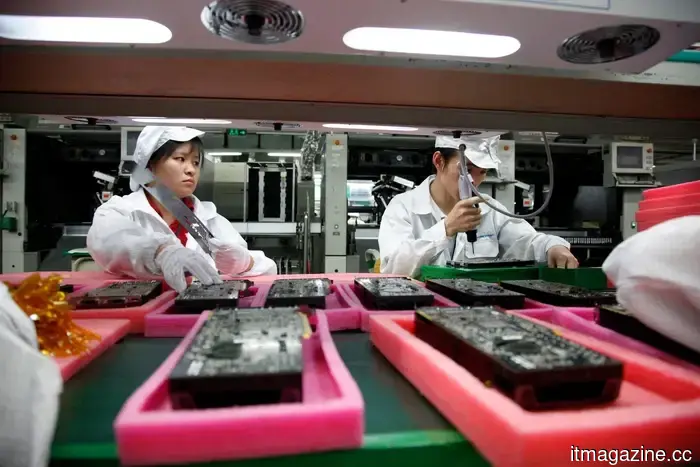
Kuo reports that MediaTek and Qualcomm are the partners involved in processor co-development, while Luxshare serves as the exclusive partner for system co-design and manufacturing. Luxshare is particularly noteworthy in this context.
As per Kuo, the company has long sought to compete with Hon Hai (commonly known as Foxconn) in Apple's supply chain but has not succeeded significantly. This initiative offers Luxshare an early opportunity in what could become the next major generation of smartphones, representing a significant advancement for the company.
2028 may seem distant, but if OpenAI succeeds, the smartphone you currently use could undergo significant changes in the near future.

Other articles
 Apple's foldable iPad might face a similar destiny as Microsoft's unsuccessful Surface Neo.
Apple is allegedly developing a 20-inch foldable iPad; however, there is a significant possibility that this bold device might never be released.
Apple's foldable iPad might face a similar destiny as Microsoft's unsuccessful Surface Neo.
Apple is allegedly developing a 20-inch foldable iPad; however, there is a significant possibility that this bold device might never be released.
 Another leak regarding the Steam Controller suggests that Valve's next-generation hardware is set to launch soon.
A new review and updated listings are piling up, indicating that Valve's new controller is expected to arrive shortly.
Another leak regarding the Steam Controller suggests that Valve's next-generation hardware is set to launch soon.
A new review and updated listings are piling up, indicating that Valve's new controller is expected to arrive shortly.
 Vinted attains an €8 billion valuation following an €880 million secondary share sale.
Vinted has attained a valuation of €8 billion ($9.4 billion) following an €880 million secondary share sale spearheaded by EQT Growth, along with participation from Schroders Capital and Teachers’ Venture Growth.
Vinted attains an €8 billion valuation following an €880 million secondary share sale.
Vinted has attained a valuation of €8 billion ($9.4 billion) following an €880 million secondary share sale spearheaded by EQT Growth, along with participation from Schroders Capital and Teachers’ Venture Growth.
 The upcoming Steam Controller has just experienced a price leak, and wow!
A YouTuber released a video prematurely, revealing the Steam Controller's price of $99.99. Although the video was quickly removed, it was seen by the internet before disappearing.
The upcoming Steam Controller has just experienced a price leak, and wow!
A YouTuber released a video prematurely, revealing the Steam Controller's price of $99.99. Although the video was quickly removed, it was seen by the internet before disappearing.
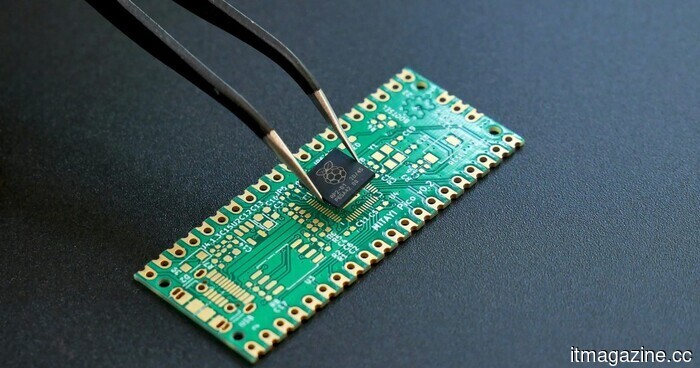 Prices for smartphones and PCs have received yet another reason to increase.
The Iran conflict has interrupted the supply of a crucial raw material for circuit boards, causing prices to jump by 40% in April alone and putting pressure on electronics manufacturers who are already contending with increasing chip prices.
Prices for smartphones and PCs have received yet another reason to increase.
The Iran conflict has interrupted the supply of a crucial raw material for circuit boards, causing prices to jump by 40% in April alone and putting pressure on electronics manufacturers who are already contending with increasing chip prices.
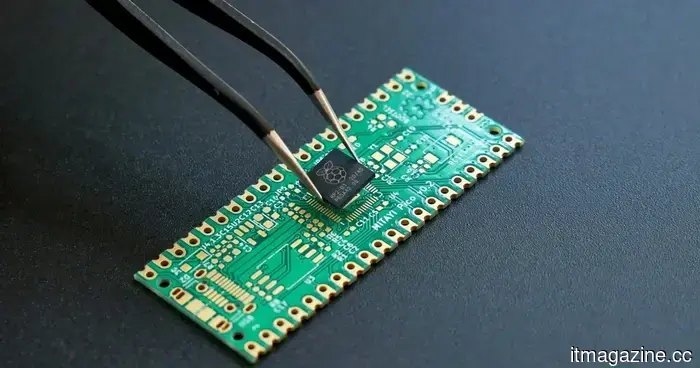 Smartphone and PC prices have received yet another incentive for a price increase.
The war in Iran has impacted a crucial raw material utilized in circuit boards, causing prices to spike by 40% in April alone and putting pressure on electronics manufacturers who are already facing increasing chip prices.
Smartphone and PC prices have received yet another incentive for a price increase.
The war in Iran has impacted a crucial raw material utilized in circuit boards, causing prices to spike by 40% in April alone and putting pressure on electronics manufacturers who are already facing increasing chip prices.
The upcoming breakthrough in the iPhone landscape may originate from an AI company rather than Samsung or Apple.
OpenAI is collaborating with MediaTek and Qualcomm to create its own smartphone chip, while Luxshare is responsible for manufacturing. Mass production is set to begin in 2028, and this could transform our phone usage.