
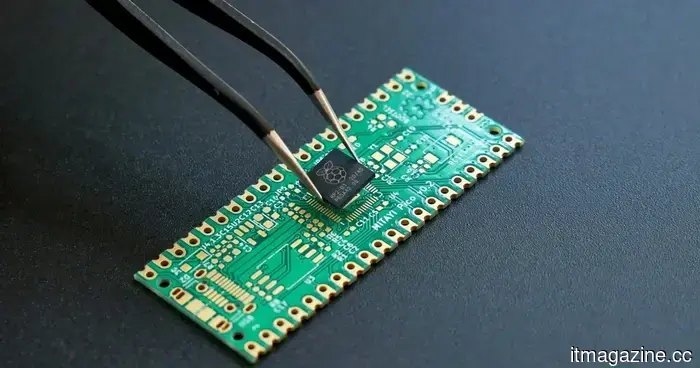
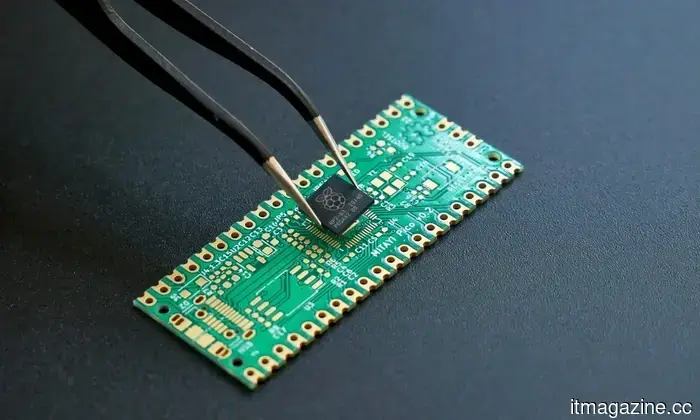
Smartphone and PC prices have received yet another incentive for a price increase.
Your devices are about to see a price increase, with a conflict in the Middle East contributing to this trend.
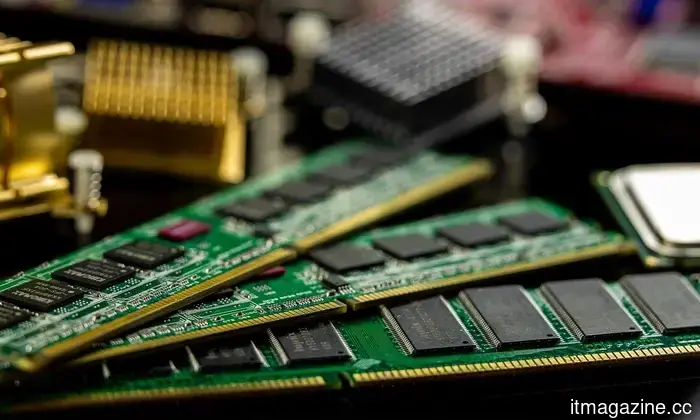
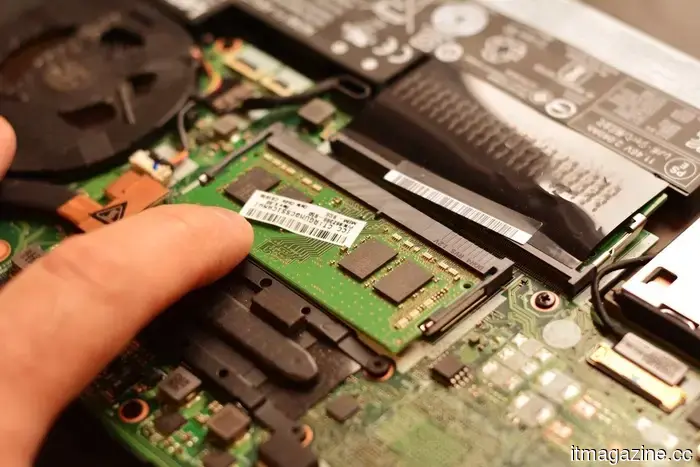
AI advancements have already pushed up the costs of RAM and SSDs, consequently raising prices for most consumer electronics such as smartphones, laptops, gaming consoles, and PCs. Instead of experiencing a break, consumers may face further price increases due to the situation in the Middle East.
According to a Reuters report, the ongoing war involving Iran has disrupted the supply of a crucial raw material needed for printed circuit boards (PCBs), which form the foundation of nearly every electronic device you own, from iPhones to AI servers.
The issues began in early April when Iran attacked Saudi Arabia’s Jubail petrochemical facility, which halted the production of high-purity PPE resin, an essential component in PCB laminate manufacturing.
SABIC, responsible for around 70% of the global supply of this material and operating out of Jubail, has not been able to restart production.
Why is a circuit board shortage significant?
PCB prices were already on the rise prior to this disruption due to the relentless demand from AI. However, the situation escalated in March as manufacturers rushed to secure supplies.
In April, PCB prices reportedly rose up to 40% compared to March figures, according to analysts from Goldman Sachs. The increase in prices is not solely due to the PPE resin scarcity; shortages of glass fiber and copper foil contribute as well.
Copper foil costs have surged by up to 30% this year, which is critical since copper comprises around 60% of the raw material expenses in PCB production.
Who is already feeling the impact?
Daeduck Electronics, a South Korean PCB manufacturer supplying companies like Samsung, SK Hynix, and AMD, has begun discussions with clients regarding price hikes. A senior official from the company mentioned to Reuters that the wait times for chemical materials, such as epoxy resin, have expanded from three weeks to fifteen weeks.
This not only means rising costs but could also lead to delays in product releases or out-of-stock items at your preferred retailer. With prices increasing so swiftly, consumers are likely to bear the burden of these extra costs.
Rachit is an experienced tech journalist with more than seven years of experience covering the consumer technology sector.
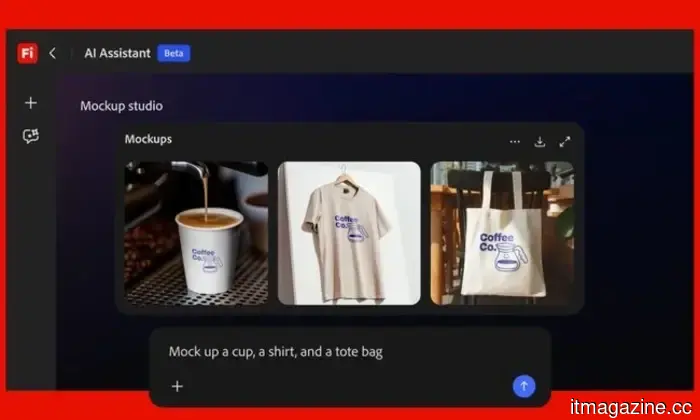
Adobe Firefly AI is now publicly available, aiming to enhance your interaction with AI while you complete tasks.
Firefly AI Assistant can manage your entire creative workflow.
Adobe has launched the public beta for Firefly AI Assistant, a conversational AI tool that integrates across your entire Creative Cloud suite and streamlines multi-step workflows for you. Simply describe your requirements, and the assistant will determine which Adobe applications to utilize and the necessary sequence, including Photoshop, Lightroom, Premiere, Firefly, and more.
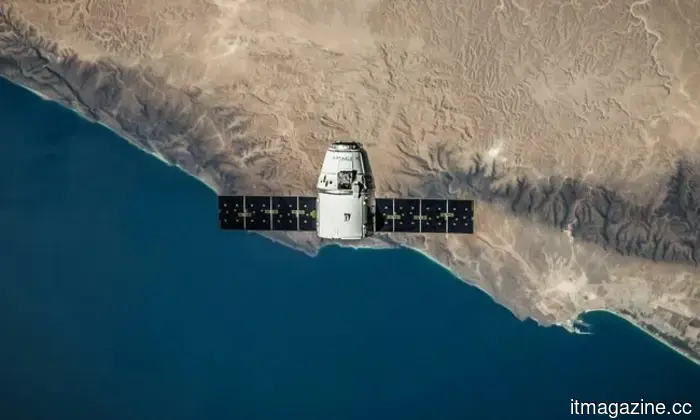
Meta's latest ambitious agreement involves transmitting solar power from satellites, even at night.
Meta’s partnership with Overview Energy goes beyond just clean energy. It illustrates the demands of sustaining AI at a planetary level.
Among the many accusations against Meta, small thinking has never been one of them. The company, which owns popular platforms like Facebook, Instagram, Messenger, and WhatsApp, is now exploring the possibility of transmitting sunlight from space to power its AI data centers at night (via TechCrunch).
Intel's Wildcat Lake chips come with a hefty price, but tests show they can't match the MacBook Neo.
Intel has introduced its fanless Wildcat Lake chips, but their cost might be shocking.
The Wildcat Lake chips represent Intel's effort to rival the Apple MacBook Neo. These compact chips feature two performance cores, four efficiency cores, and a mini integrated GPU, enabling them to operate without a fan. This is an exciting option for Windows users seeking a slim, quiet laptop without switching operating systems. However, there’s a significant drawback associated with the new chipsets.

Other articles
 Another leak regarding the Steam Controller suggests that Valve's next-generation hardware is set to launch soon.
A new review and updated listings are piling up, indicating that Valve's new controller is expected to arrive shortly.
Another leak regarding the Steam Controller suggests that Valve's next-generation hardware is set to launch soon.
A new review and updated listings are piling up, indicating that Valve's new controller is expected to arrive shortly.
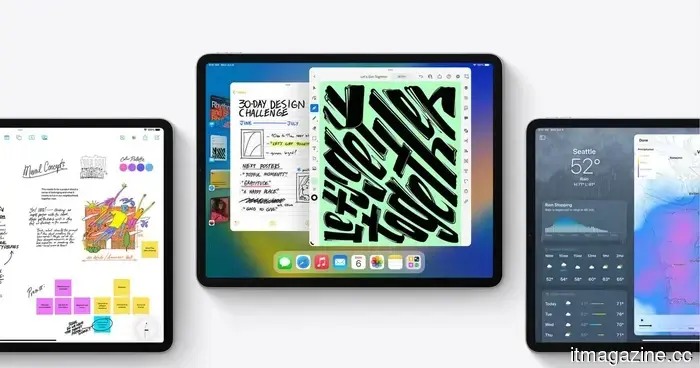 Apple's foldable iPad might face a similar destiny as Microsoft's unsuccessful Surface Neo.
Apple is allegedly developing a 20-inch foldable iPad; however, there is a significant possibility that this bold device might never be released.
Apple's foldable iPad might face a similar destiny as Microsoft's unsuccessful Surface Neo.
Apple is allegedly developing a 20-inch foldable iPad; however, there is a significant possibility that this bold device might never be released.
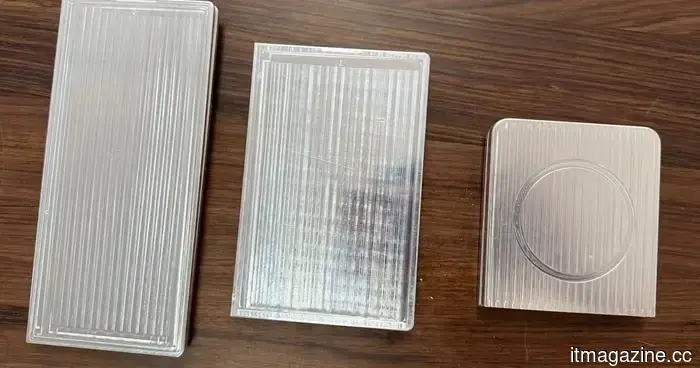 A Samsung leak indicates that its forthcoming wide foldable phone will stand out prominently amid a multitude of devices.
Leaked prototypes showcase a broader, shorter Galaxy Fold featuring a passport-like design and seemingly supporting Qi2 magnets, and we are definitely excited about it.
A Samsung leak indicates that its forthcoming wide foldable phone will stand out prominently amid a multitude of devices.
Leaked prototypes showcase a broader, shorter Galaxy Fold featuring a passport-like design and seemingly supporting Qi2 magnets, and we are definitely excited about it.
 Sequoia and Nvidia are supporting David Silver's Ineffable Intelligence, which is valued at $5.1 billion.
Sequoia and Nvidia have supported Ineffable Intelligence, the London-based startup founded by AlphaGo creator David Silver, which is valued at $5.1 billion.
Sequoia and Nvidia are supporting David Silver's Ineffable Intelligence, which is valued at $5.1 billion.
Sequoia and Nvidia have supported Ineffable Intelligence, the London-based startup founded by AlphaGo creator David Silver, which is valued at $5.1 billion.
 Turtle Beach has included a controls display on its Command Series MC7 gaming mouse.
The Command Series MC7 from Turtle Beach transforms the gaming mouse into a compact control hub featuring an integrated touch screen for DPI settings, macros, audio management, apps, and streaming controls.
Turtle Beach has included a controls display on its Command Series MC7 gaming mouse.
The Command Series MC7 from Turtle Beach transforms the gaming mouse into a compact control hub featuring an integrated touch screen for DPI settings, macros, audio management, apps, and streaming controls.
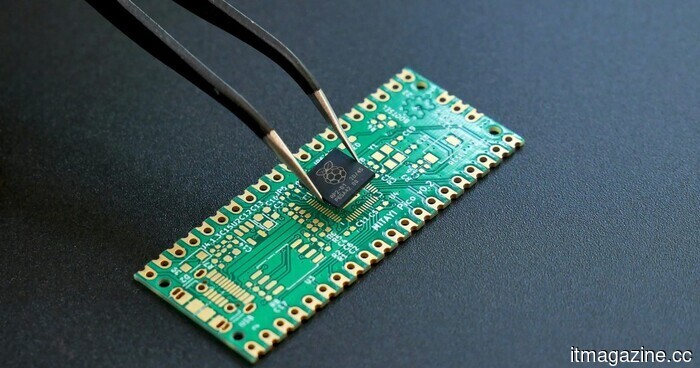 Prices for smartphones and PCs have received yet another reason to increase.
The Iran conflict has interrupted the supply of a crucial raw material for circuit boards, causing prices to jump by 40% in April alone and putting pressure on electronics manufacturers who are already contending with increasing chip prices.
Prices for smartphones and PCs have received yet another reason to increase.
The Iran conflict has interrupted the supply of a crucial raw material for circuit boards, causing prices to jump by 40% in April alone and putting pressure on electronics manufacturers who are already contending with increasing chip prices.
Smartphone and PC prices have received yet another incentive for a price increase.
The war in Iran has impacted a crucial raw material utilized in circuit boards, causing prices to spike by 40% in April alone and putting pressure on electronics manufacturers who are already facing increasing chip prices.