
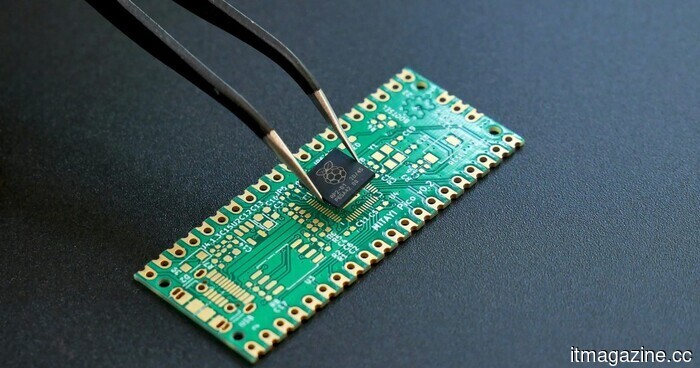
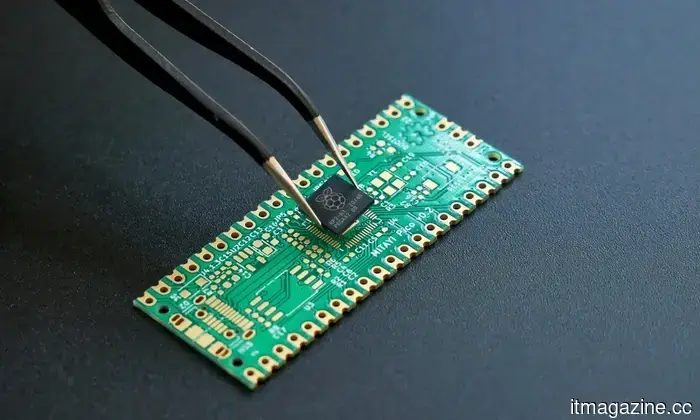
Prices for smartphones and PCs have received yet another reason to increase.
The cost of your gadgets is set to rise, and the ongoing conflict in the Middle East is a contributing factor.
AI advancements have already caused increases in the prices of RAM and SSDs, leading to higher costs for many consumer electronics, such as smartphones, laptops, gaming consoles, and PCs. Instead of a break in pricing, consumers may soon face another increase, attributed to the conflict in the Middle East.
According to a report by Reuters, the war with Iran has disrupted the supply of a vital raw material used in printed circuit boards (PCBs), which are essential to nearly every electronic device, from iPhones to AI servers.
The issue began in early April when Iran attacked Saudi Arabia’s Jubail petrochemical complex, halting the production of high-purity PPE resin, an essential component in PCB laminates.
SABIC, responsible for producing approximately 70% of this material and operating from the Jubail complex, has not been able to restart its production.
Why is a shortage of circuit boards a concern?
PCB prices were already on the rise due to the overwhelming demand for AI, but the trend intensified in March as manufacturers raced to secure supplies.
In April alone, PCB prices soared by as much as 40% compared to March, as reported by Goldman Sachs analysts. The price hikes are not solely due to the PPE resin shortage; supplies of glass fiber and copper foil are also limited.
Copper foil prices have increased by as much as 30% this year, which is significant because copper constitutes around 60% of the raw material costs in PCB manufacturing.
Who is already experiencing the impact?
Daeduck Electronics, a South Korean PCB manufacturer supplying Samsung, SK Hynix, and AMD, has begun discussions with customers about raising prices. A senior executive from the company informed Reuters that lead times for chemical materials like epoxy resin have increased from three weeks to fifteen weeks.
This means not only are prices rising, but you may also encounter delays in new product launches or products being out of stock at your preferred retailer. With costs escalating so rapidly, it is likely that a significant portion of these expenses will be passed on to consumers.
Rachit is an experienced tech journalist with over seven years of experience reporting on the consumer technology market.
Adobe Firefly AI has now launched publicly, aiming to assist you in your creative tasks.
The Firefly AI Assistant can manage your entire creative workflow for you.
Adobe has just made the public beta of Firefly AI Assistant available. This conversational AI agent operates within your Creative Cloud suite and handles multi-step workflows on your behalf. You simply need to describe what you want, and the assistant will determine which Adobe tools to utilize and in what sequence, including Photoshop, Lightroom, Premiere, Firefly, and others.
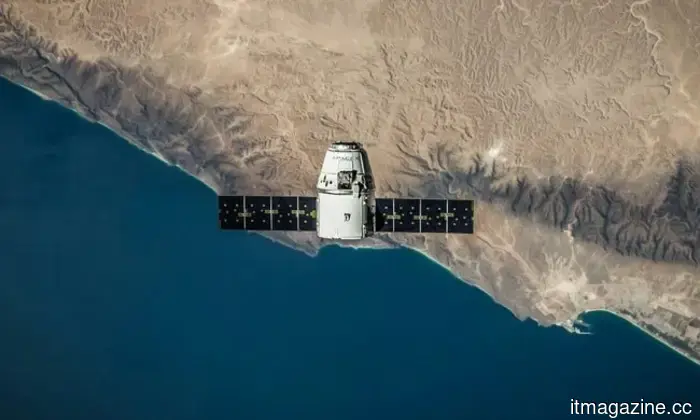
Meta's latest ambitious project involves beaming solar power at night from satellites.
Meta's partnership with Overview Energy isn't solely focused on clean energy; it illustrates the requirements for sustaining AI at a planetary scale.
Among all accusations against Meta, thinking small has never been one of them. The parent company of major social media and messaging platforms like Facebook, Instagram, Messenger, and WhatsApp, is now exploring the concept of transmitting sunlight from space to Earth to power its AI data centers during the night (reportedly via TechCrunch).
Intel's Wildcat Lake chips are expensive, but testing reveals they fall short compared to the MacBook Neo.
Intel's fanless chips are now available, but their price may be shocking.
Intel's Wildcat Lake represents the company's efforts to compete with the Apple MacBook Neo. These chips are compact, featuring two performance cores, four efficiency cores, and a mini integrated GPU, making them efficient enough to operate without a fan. This is an appealing option for Windows users seeking a slim, quiet laptop without switching operating systems. However, the new chipsets do come with a significant downside.


Otros artículos
 Sequoia y Nvidia respaldan la Inteligencia Inefable de David Silver con $5.1B
Sequoia y Nvidia han respaldado a Ineffable Intelligence, la startup londinense del creador de AlphaGo, David Silver, con una valoración de $5.1 mil millones.
Sequoia y Nvidia respaldan la Inteligencia Inefable de David Silver con $5.1B
Sequoia y Nvidia han respaldado a Ineffable Intelligence, la startup londinense del creador de AlphaGo, David Silver, con una valoración de $5.1 mil millones.
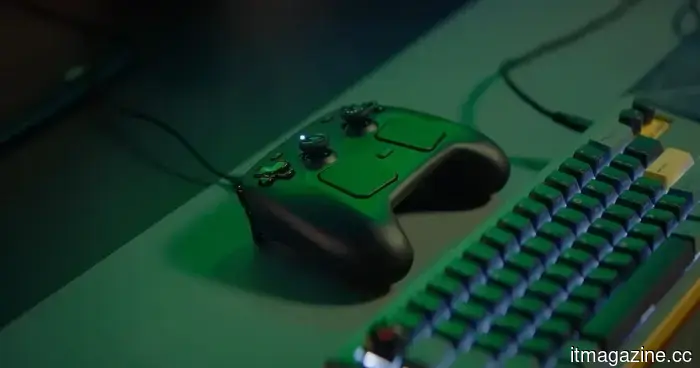 Otra filtración del Steam Controller predice un lanzamiento inminente para el hardware de próxima generación de Valve.
Una revisión retirada y nuevas listas se están acumulando, y todas las señales apuntan a que el nuevo controlador de Valve llegará muy pronto.
Otra filtración del Steam Controller predice un lanzamiento inminente para el hardware de próxima generación de Valve.
Una revisión retirada y nuevas listas se están acumulando, y todas las señales apuntan a que el nuevo controlador de Valve llegará muy pronto.
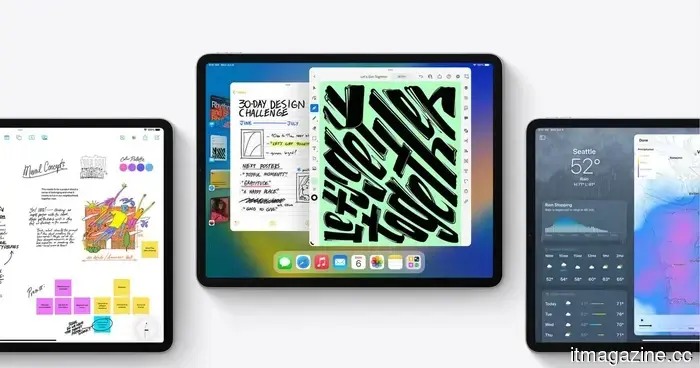 El iPad plegable de Apple podría correr la misma suerte que el condenado Surface Neo de Microsoft.
Se informa que Apple está trabajando en un iPad plegable de 20 pulgadas, pero hay una posibilidad real de que este ambicioso dispositivo nunca llegue al mercado.
El iPad plegable de Apple podría correr la misma suerte que el condenado Surface Neo de Microsoft.
Se informa que Apple está trabajando en un iPad plegable de 20 pulgadas, pero hay una posibilidad real de que este ambicioso dispositivo nunca llegue al mercado.
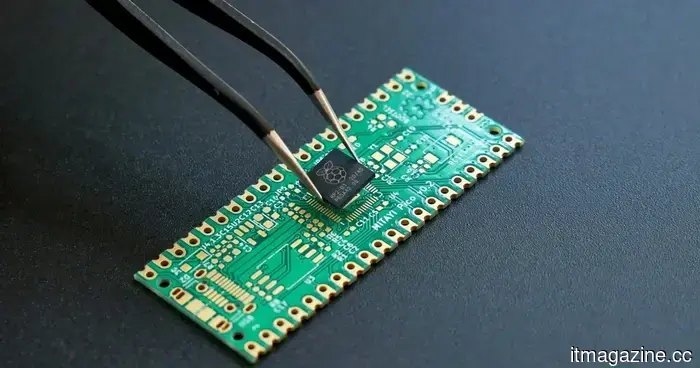 Los precios de los smartphones y PCs acaban de recibir otra razón para dar un golpe al alza.
Extracto: La guerra en Irán ha interrumpido una materia prima clave utilizada en placas de circuito, haciendo que los precios se disparen un 40% solo en abril y presionando a los fabricantes de electrónica que ya luchan contra el aumento de los costos de los chips.
Los precios de los smartphones y PCs acaban de recibir otra razón para dar un golpe al alza.
Extracto: La guerra en Irán ha interrumpido una materia prima clave utilizada en placas de circuito, haciendo que los precios se disparen un 40% solo en abril y presionando a los fabricantes de electrónica que ya luchan contra el aumento de los costos de los chips.
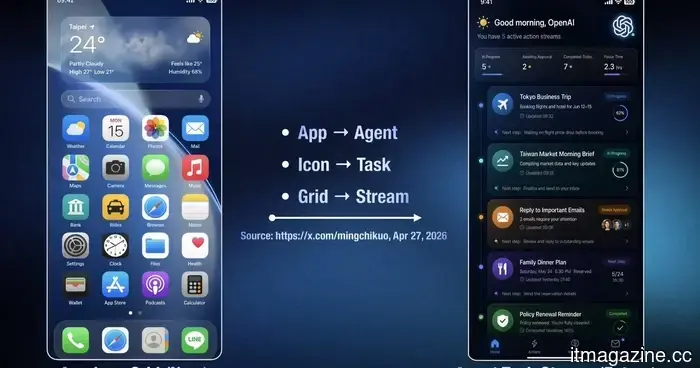 El próximo momento del iPhone podría venir de una empresa de IA, no de Samsung o Apple.
OpenAI está desarrollando su propio chip para smartphone con MediaTek y Qualcomm, con Luxshare manejando la fabricación. La producción en masa comenzará en 2028 y podría redefinir cómo usamos los teléfonos.
El próximo momento del iPhone podría venir de una empresa de IA, no de Samsung o Apple.
OpenAI está desarrollando su propio chip para smartphone con MediaTek y Qualcomm, con Luxshare manejando la fabricación. La producción en masa comenzará en 2028 y podría redefinir cómo usamos los teléfonos.
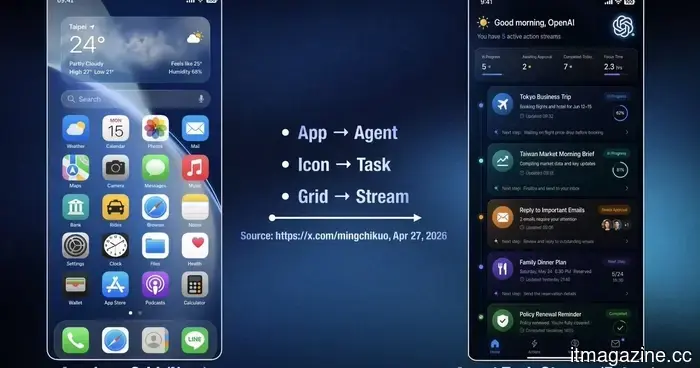 El próximo momento del iPhone podría venir de una empresa de IA, no de Samsung o Apple.
OpenAI está desarrollando su propio chip para smartphones con MediaTek y Qualcomm, con Luxshare encargándose de la fabricación. La producción en masa comenzará en 2028 y podría redefinir cómo usamos los teléfonos.
El próximo momento del iPhone podría venir de una empresa de IA, no de Samsung o Apple.
OpenAI está desarrollando su propio chip para smartphones con MediaTek y Qualcomm, con Luxshare encargándose de la fabricación. La producción en masa comenzará en 2028 y podría redefinir cómo usamos los teléfonos.
Prices for smartphones and PCs have received yet another reason to increase.
The Iran conflict has interrupted the supply of a crucial raw material for circuit boards, causing prices to jump by 40% in April alone and putting pressure on electronics manufacturers who are already contending with increasing chip prices.