
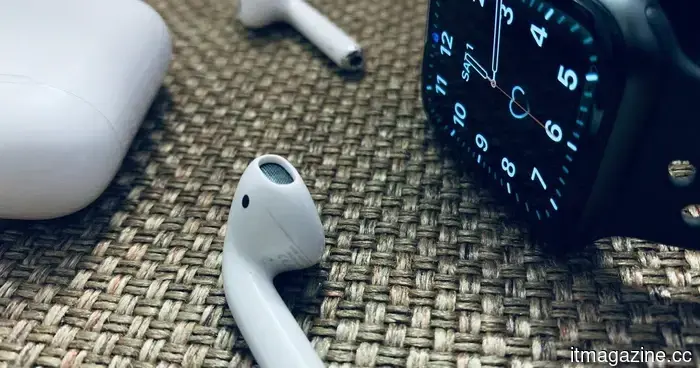
The greatest feat AI can achieve is to become seamlessly integrated into my devices rather than evolving into a standalone product.
My wife recently had a frightening dream in which AI had taken over human bodies. The actual issue was less sinister: Google Photos was constantly prompting her to “AI” herself when she just wanted to view pictures of our cats.
Many people currently share this sentiment about AI—curious, fatigued, slightly unsettled, and increasingly frustrated when typical apps behave as if every action requires a software demonstration.
I understand the frustration. Over the past few years, AI has been striving to establish itself as a product. A better goal might be to learn when to step back.
The most effective AI devices may not appear to be ones at all.
This is why the most intriguing examples currently often resemble ordinary devices that have adopted a few new features without necessitating new routines.
Samsung's Galaxy Buds4 can utilize Galaxy AI functions like Interpreter and Live Translate when paired with compatible Galaxy devices, turning the earbuds into a conduit for the feature, rather than the focus of attention.
Samsung
Apple is promoting a similar concept with Live Translation on AirPods, where the feature resides within the earbud-and-iPhone ecosystem instead of being offered as a standalone translation device.
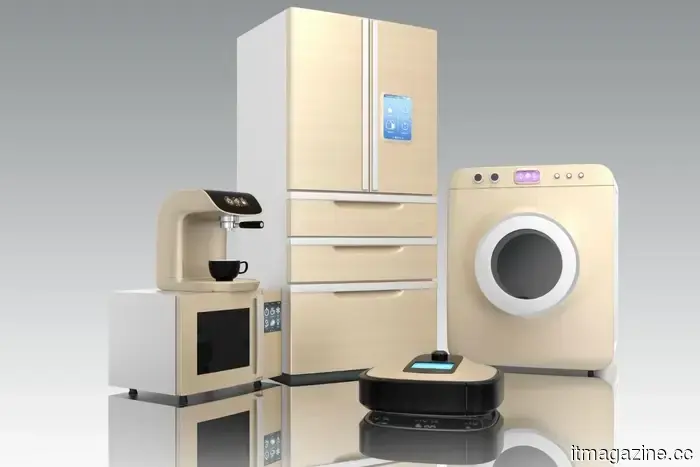
Samsung’s Vision AI TVs utilize AI to optimize picture and audio settings, thankfully allowing the couch to remain just a couch.
Google has its own take with the Pixel 10, integrating Gemini into the phone rather than marketing it as a separate gadget.
Nadeem Sarwar / Digital Trends
This approach resonates more with those who aren’t interested in beta-testing their appliances. They want their existing devices to function more intelligently.
Not every AI feature represents progress.
The downside is that the notion of “AI everywhere” could end up mirroring the previous trend of “smart everywhere,” which has already faltered in kitchens. While some features are genuinely useful, others may simply be old automation dressed up in a fancier guise, and some may exist merely to fulfill a marketing requirement on a product box.
If AI enables a device to perform its intended tasks more efficiently, there’s a real utility behind the branding. If it results in the addition of new panels, prompts, subscriptions, or settings to manage, then it’s not genuine advancement; it’s merely another task to deal with, albeit with more appealing marketing.
Chesky / Shutterstock
Mundane AI might be the most beneficial type.
Consumer AI becomes more rational when it stops presenting itself as another device to charge, update, and ultimately stash away. Instead, it integrates as a layer within products people already know. This version is easier to grasp as it effectively manages small, mundane responsibilities.
AI might follow the trajectory of older features that once seemed advanced, like autofocus, noise cancellation, or image stabilization. Initially, these features are marketed as groundbreaking, then they become standard, and eventually, people no longer question their functionality.
This doesn’t eliminate privacy concerns, nor does it justify every impractical appliance boasting an AI label.
However, it indicates that AI's most promising consumer future may be quieter than the industry anticipates. I don’t require another product vying for my attention. I need the devices I already own to stop complicating simple tasks and making them feel like a tech support issue.


Other articles
.jpg) Three underrated Netflix series you should check out this weekend (April 24-26).
This weekend's Netflix lineup features three distinctly varied genres. There's a 19th-century murder mystery inspired by a Margaret Atwood novel, a Danish thriller about a serial killer, and an engaging Japanese sumo drama that's hard to stop watching.
Three underrated Netflix series you should check out this weekend (April 24-26).
This weekend's Netflix lineup features three distinctly varied genres. There's a 19th-century murder mystery inspired by a Margaret Atwood novel, a Danish thriller about a serial killer, and an engaging Japanese sumo drama that's hard to stop watching.
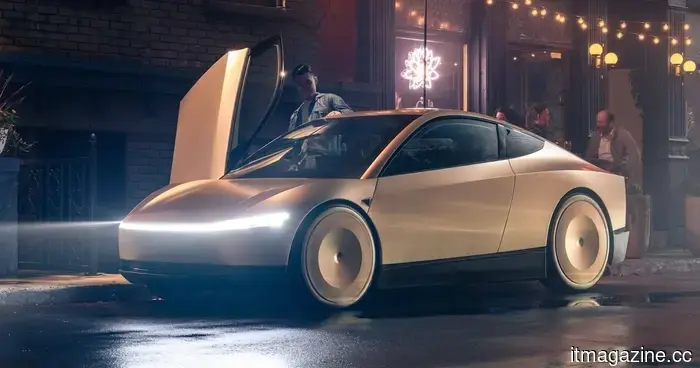 Tesla's Cybercab has started production. Let's hope it can truly drive autonomously this time.
Tesla's Cybercab has begun mass production at Gigafactory Texas; however, the self-driving robotaxi still relies on FSD software that experiences crashes at a rate four times greater than human drivers.
Tesla's Cybercab has started production. Let's hope it can truly drive autonomously this time.
Tesla's Cybercab has begun mass production at Gigafactory Texas; however, the self-driving robotaxi still relies on FSD software that experiences crashes at a rate four times greater than human drivers.
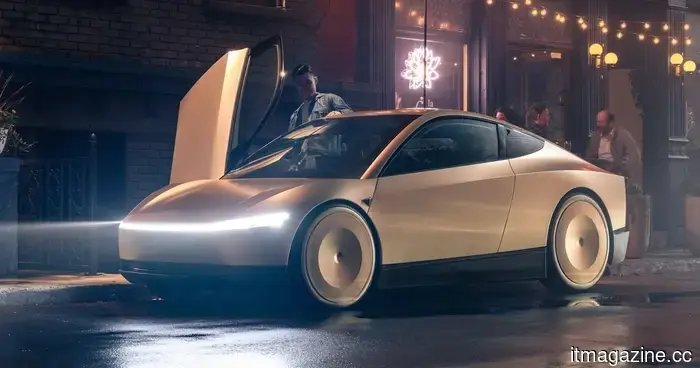 Tesla's Cybercab has begun production. Let's see if it can truly drive itself this time.
Tesla's Cybercab has begun mass production at Gigafactory Texas, yet the self-driving robotaxi still relies on FSD software, which malfunctions four times more frequently than human operators.
Tesla's Cybercab has begun production. Let's see if it can truly drive itself this time.
Tesla's Cybercab has begun mass production at Gigafactory Texas, yet the self-driving robotaxi still relies on FSD software, which malfunctions four times more frequently than human operators.
 I'm still enjoying the original Switch in 2026. It’s reliable since everything else has become more complicated.
Although Nintendo's original Switch is less powerful than current handhelds, in 2026, its simplicity appears to be less of a disadvantage and more like its main appeal.
I'm still enjoying the original Switch in 2026. It’s reliable since everything else has become more complicated.
Although Nintendo's original Switch is less powerful than current handhelds, in 2026, its simplicity appears to be less of a disadvantage and more like its main appeal.
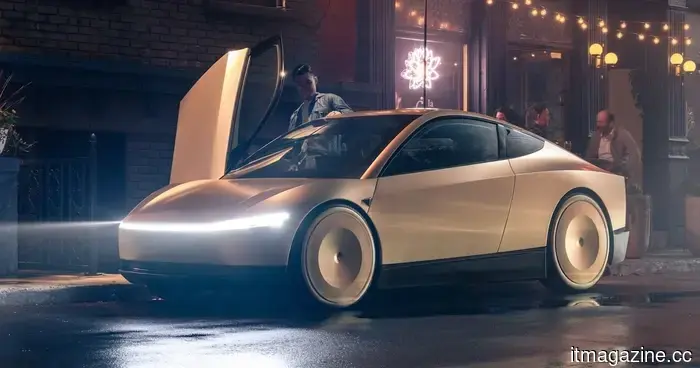 Tesla has begun production of the Cybercab. Let's hope it can genuinely operate autonomously this time.
Tesla's Cybercab has commenced mass production at Gigafactory Texas; however, the self-driving robotaxi still relies on FSD software that experiences failures four times more frequently than human drivers.
Tesla has begun production of the Cybercab. Let's hope it can genuinely operate autonomously this time.
Tesla's Cybercab has commenced mass production at Gigafactory Texas; however, the self-driving robotaxi still relies on FSD software that experiences failures four times more frequently than human drivers.
.jpg) Three overlooked Netflix series to check out this weekend (April 24-26).
This weekend's Netflix lineup features three distinctly different genres. There's a 19th-century murder mystery inspired by a novel by Margaret Atwood, a thrilling Danish serial killer story, and an engaging Japanese sumo drama that you won't be able to stop watching.
Three overlooked Netflix series to check out this weekend (April 24-26).
This weekend's Netflix lineup features three distinctly different genres. There's a 19th-century murder mystery inspired by a novel by Margaret Atwood, a thrilling Danish serial killer story, and an engaging Japanese sumo drama that you won't be able to stop watching.
The greatest feat AI can achieve is to become seamlessly integrated into my devices rather than evolving into a standalone product.
AI may ultimately become more beneficial when it ceases to function as a product and begins to enhance the devices that people already possess.