
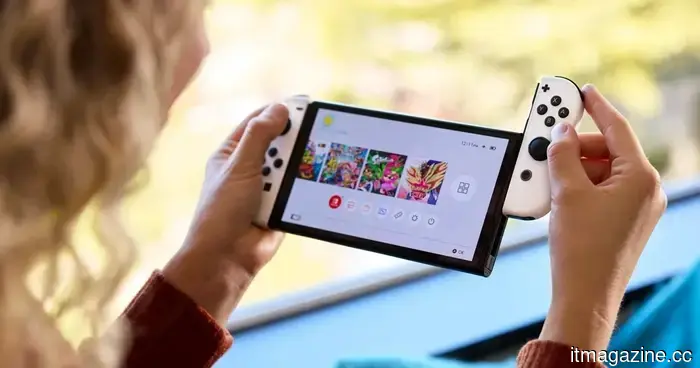
I'm still using the original Switch in 2026. It simply works since everything else has become too complicated.
My original Switch should have been retired by now. It features thick bezels, an aging display, diminished battery life, and the unmistakable wear of a device that has endured too many travels in backpacks. When placed alongside Switch 2 and the latest generation of handheld PCs, Nintendo’s first hybrid console seems severely outmatched.
Yet, I continue to reach for it.
My expectations aren’t extraordinary. I want to power it on and begin playing before my brain starts tracking battery life. I still use the old console in 2026 because it’s almost frustratingly straightforward.
That shouldn’t seem revolutionary. Yet, it does.
Simplicity remains a key feature
A low benchmark, undoubtedly. Portable gaming has impressively discovered ways to complicate things. The Switch 2 is the clear upgrade, and Nintendo’s newer model presents a compelling hardware case. However, it retails for $449.99, which isn't exactly an easy choice when my old Switch already carries my library of purchased games.
Giovanni Colantonio / Digital Trends
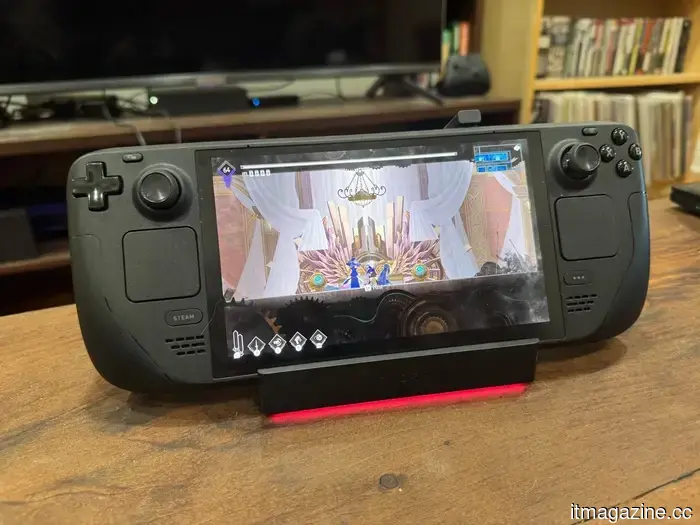
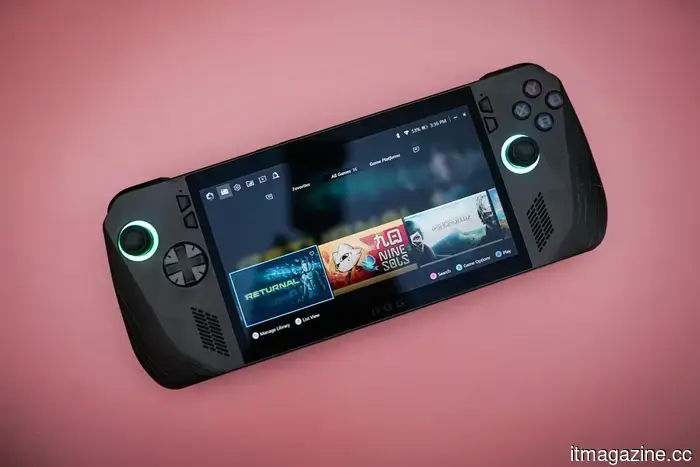
The PC-based competitors make a valid argument as well, especially devices like the Steam Deck OLED and ROG Ally X. They’re quicker, more defined, and significantly better at making my old Switch resemble a lunchbox with controls. On paper, they seem to prevail effortlessly.
In practice, however, things become less straightforward.
Greater power means more tasks
Increased capabilities also entail more management while playing. A handheld PC can be exceptional but can also introduce Windows, launchers, battery metrics, storage balancing, graphics settings, update alerts, and the nagging feeling that I should invest 20 minutes fine-tuning a game before I can truly enjoy it.
That’s fantastic for those who appreciate having control. Sometimes, I do as well. I’m not suggesting my Switch could compete against an ROG Ally X and triumph in terms of specifications without causing some embarrassment.
Jacob Roach / Digital Trends
But therein lies the point. My Switch doesn’t demand optimization from me. It simply sits there, a bit dusty, awaiting my use. And this comes from someone who genuinely enjoys adjusting settings.
Sufficient quality is undervalued
The real genius is that Nintendo’s original Switch has found utility in a straightforward, resilient manner. It feels familiar. It’s portable enough. It boasts years of games, spanning Nintendo’s first-party classics to indie titles that still work well on a small display. Its greatest asset in 2026 isn’t the Tegra chip; it’s the knowledge of what to expect when I undock it.
Nintendo continues to enrich that game library in quirky ways. Pokémon FireRed and LeafGreen were added to the Switch in February as standalone titles, bringing two Game Boy Advance games from 2004 into the same eShop as the company's latest hardware. That’s quintessentially Nintendo, for better or worse. It also sheds light on why my old Switch feels perpetually unfinished.
I don’t long for 2017. I yearn for a device that already understands its purpose. My games are intact. My saves are safe. So is that familiar click when I attach the Joy-Cons.
The original Switch isn't excelling in 2026 by being the top handheld. It’s thriving by being the least demanding device in the space.
Other articles
.jpg) Three underrated Netflix series you should check out this weekend (April 24-26).
This weekend's Netflix lineup features three distinctly varied genres. There's a 19th-century murder mystery inspired by a Margaret Atwood novel, a Danish thriller about a serial killer, and an engaging Japanese sumo drama that's hard to stop watching.
Sequoia hands out 200 engraved Mac Minis at an AI event as OpenClaw emerges as the infrastructure layer that VCs cannot possess.
Alfred Lin donated 200 engraved Mac Minis operating on OpenClaw, the open-source AI agent framework that has outpaced Apple's stock and exceeded React on GitHub. Sequoia is unable to invest in it. That's the tactic.
The trial between Musk and Altman commences, with $150 billion involved regarding the transition of OpenAI from a nonprofit to a profit-driven model.
Jury selection for the Musk-Altman trial begins on Monday. Brockman's diary from 2017 referred to OpenAI's commitment to nonprofit status as "a lie." The judge has determined there is "ample evidence" and will independently decide on the remedies.
Three underrated Netflix series you should check out this weekend (April 24-26).
This weekend's Netflix lineup features three distinctly varied genres. There's a 19th-century murder mystery inspired by a Margaret Atwood novel, a Danish thriller about a serial killer, and an engaging Japanese sumo drama that's hard to stop watching.
Sequoia hands out 200 engraved Mac Minis at an AI event as OpenClaw emerges as the infrastructure layer that VCs cannot possess.
Alfred Lin donated 200 engraved Mac Minis operating on OpenClaw, the open-source AI agent framework that has outpaced Apple's stock and exceeded React on GitHub. Sequoia is unable to invest in it. That's the tactic.
The trial between Musk and Altman commences, with $150 billion involved regarding the transition of OpenAI from a nonprofit to a profit-driven model.
Jury selection for the Musk-Altman trial begins on Monday. Brockman's diary from 2017 referred to OpenAI's commitment to nonprofit status as "a lie." The judge has determined there is "ample evidence" and will independently decide on the remedies.
 Beijing issues a warning to the EU following the inclusion of 27 Chinese companies in the 20th sanctions package against Russia and responds by taking action against European defense firms.
China criticized the European Union's 20th sanctions package, which affects 27 Chinese entities, and responded within a day by targeting seven EU defense companies. Europe's rearmament relies on the rare earth materials that Beijing possesses.
Beijing issues a warning to the EU following the inclusion of 27 Chinese companies in the 20th sanctions package against Russia and responds by taking action against European defense firms.
China criticized the European Union's 20th sanctions package, which affects 27 Chinese entities, and responded within a day by targeting seven EU defense companies. Europe's rearmament relies on the rare earth materials that Beijing possesses.
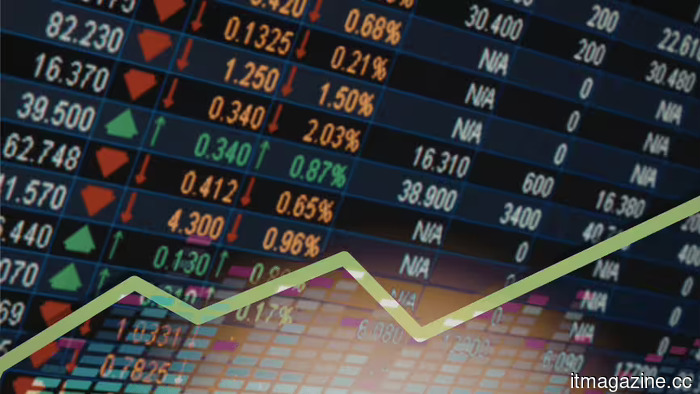 AI stocks compared to the dot-com bubble: CAPE ratio at 38, concentration exceeds levels seen in 2000, but these companies are genuinely profitable.
The Shiller CAPE stands between 38 and 40, only surpassed by the dot-com peak of 44.19. The concentration in the top 10 exceeds levels seen in 2000. However, Nvidia generated $120 billion, and tech stocks are trading at 30 times earnings, not 50 times. Both perspectives hold validity.
AI stocks compared to the dot-com bubble: CAPE ratio at 38, concentration exceeds levels seen in 2000, but these companies are genuinely profitable.
The Shiller CAPE stands between 38 and 40, only surpassed by the dot-com peak of 44.19. The concentration in the top 10 exceeds levels seen in 2000. However, Nvidia generated $120 billion, and tech stocks are trading at 30 times earnings, not 50 times. Both perspectives hold validity.
I'm still using the original Switch in 2026. It simply works since everything else has become too complicated.
The original Switch from Nintendo may be less powerful than current handheld devices, but by 2026, its straightforwardness seems less of a drawback and more like a key feature.