
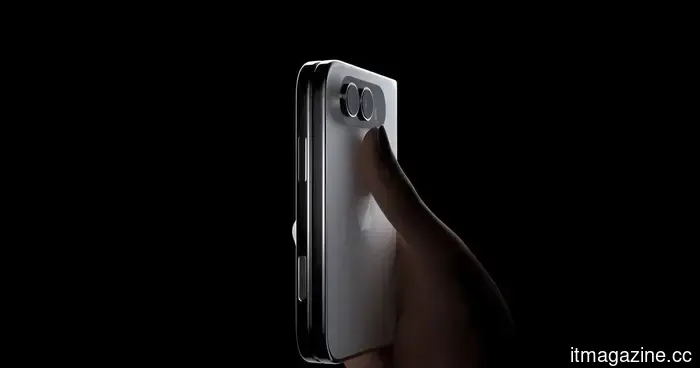
Wide foldables seem like a solution to numerous issues, and I'm eager to see Apple take a shot at it.
Huawei’s broader foldable design has generated excitement for the future of foldable smartphones. The new Pura X Max features a wider, more passport-like shape instead of the typical tall and narrow foldable style, resulting in a more practical device. This is why the rumors surrounding Apple’s foldable iPhone have started to resonate with me.
The wider design addresses the shortcomings of traditional foldables.
Many foldable phones often feel like two compromised devices trying to function as one. When closed, they can be either too narrow or too thick. While they offer more screen space when open, it doesn't always translate to a naturally useful experience. Simply having a larger screen doesn't equate to better usability if the aspect ratio feels awkward.
A wider foldable alters this dynamic. When closed, it can resemble a standard smartphone, and when opened, it can function more like a small tablet rather than just an elongated phone. This makes for a more convincing application of folding technology.
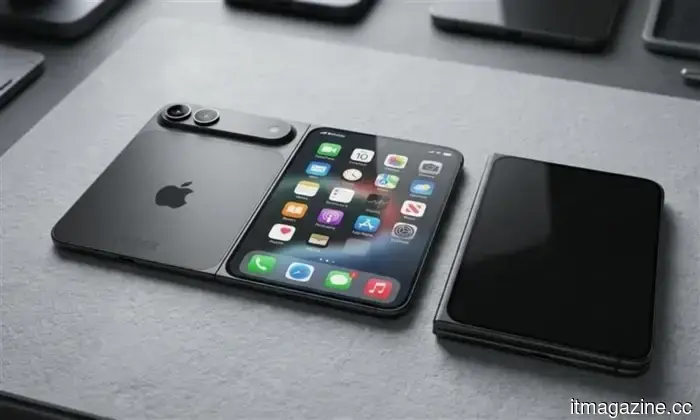
This is why Apple’s rumored shorter, wider foldable seems appealing. Even if it’s slightly more challenging to fit in a pocket, the trade-off could be worthwhile if the device feels more balanced in hand and genuinely more functional when unfolded.
This could resemble a pocket-sized iPad mini.
If Apple introduces a wider iPhone Fold, it might avoid the “gimmicky” trap and provide functionality akin to a portable iPad mini. This design could be more suitable for reading, watching videos, browsing, jotting down notes, and managing split-screen applications without feeling confined.
The device could replicate some aspects of the portable secondary-screen functionality that enhances the iPad mini's utility within Apple's ecosystem. Thus, it’s not merely about Apple releasing its first foldable product, but rather about how it could effectively merge the features of two different device categories.
Apple also seems prepared to make genuine sacrifices to achieve this. Recent reports indicate that the foldable iPhone might completely omit Face ID, opting instead for under-display camera technology on the inner screen. It may even retain Camera Control, which suggests Apple is striving to maintain the iPhone's identity while transitioning to a much larger foldable format.
Apple may make the experience feel seamless.
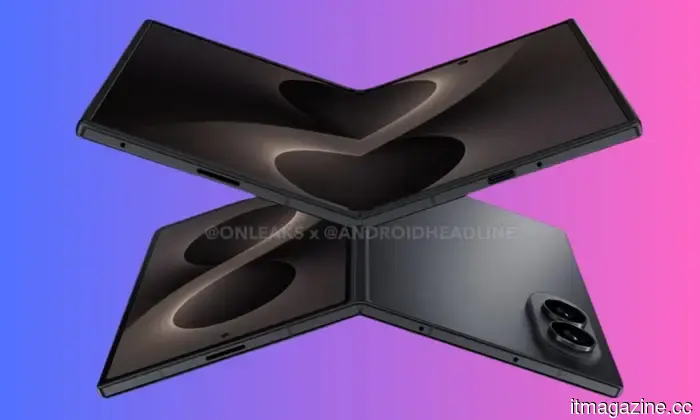
While Huawei demonstrates that the hardware concept is feasible, given its limited availability, Apple might be the brand to truly introduce users to this new style of foldables. However, it won't be alone; reports also indicate that Samsung is developing a Wide Fold, which is expected to feature a shorter, wider design with a 4:3 inner display and a more tablet-like appearance when unfolded.
If Apple perfects the software, a wide iPhone Fold could serve as a significantly improved portable second screen for tasks like document work, split-screen applications, video calls, and cross-device continuity. This is where Apple holds its strongest advantage. The company may not always be first to market, but it excels at creating devices that feel effortless to use.

Other articles
 The Devil May Cry Season 2 trailer featuring the clash between Dante and Vergil has captured our full attention.
Netflix has released a trailer for Season 2 of Devil May Cry, hinting at an intense confrontation between Dante and Vergil while also introducing two significant villains.
The Devil May Cry Season 2 trailer featuring the clash between Dante and Vergil has captured our full attention.
Netflix has released a trailer for Season 2 of Devil May Cry, hinting at an intense confrontation between Dante and Vergil while also introducing two significant villains.
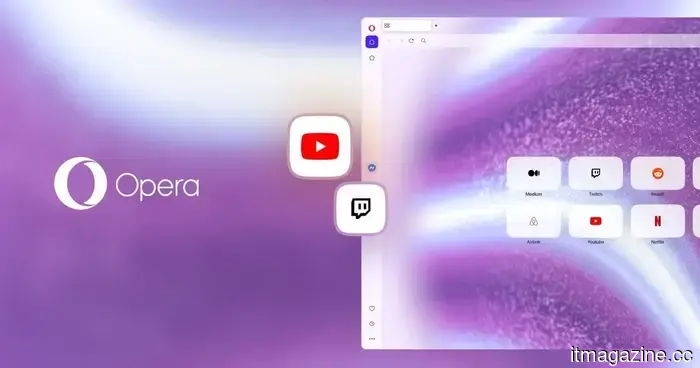 Opera One enhances video watching by offering a 500% volume boost, upgraded Picture-in-Picture (PiP) functionality, and support for streaming through the sidebar.
Opera One now enables users to pin YouTube and Twitch in the sidebar, increase tab volume to 500%, and utilize an updated picture-in-picture mode for video calls.
Opera One enhances video watching by offering a 500% volume boost, upgraded Picture-in-Picture (PiP) functionality, and support for streaming through the sidebar.
Opera One now enables users to pin YouTube and Twitch in the sidebar, increase tab volume to 500%, and utilize an updated picture-in-picture mode for video calls.
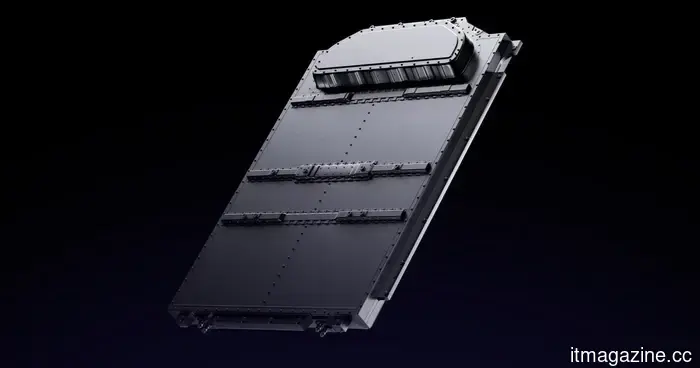 Batteries for electric vehicles that can be charged in just over six minutes have arrived.
CATL has recently introduced various new battery technologies, one of which can charge from 10% to 80% in just 3 minutes and 44 seconds.
Batteries for electric vehicles that can be charged in just over six minutes have arrived.
CATL has recently introduced various new battery technologies, one of which can charge from 10% to 80% in just 3 minutes and 44 seconds.
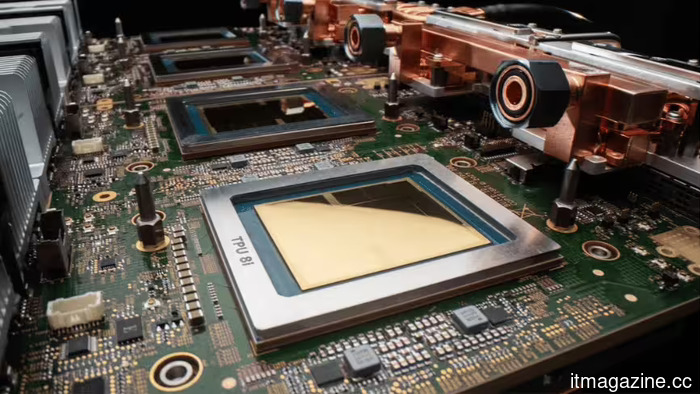 Google unveils the Ironwood TPU and offers a preview of its eighth generation, which is divided into training and inference chips at TSMC's 2nm technology.
Google's Ironwood TPU is operational, delivering 4.6 petaFLOPS per chip. The eighth generation is divided into two parts: Broadcom for training and MediaTek for inference, both manufactured at 2nm, set to launch in late 2027.
Google unveils the Ironwood TPU and offers a preview of its eighth generation, which is divided into training and inference chips at TSMC's 2nm technology.
Google's Ironwood TPU is operational, delivering 4.6 petaFLOPS per chip. The eighth generation is divided into two parts: Broadcom for training and MediaTek for inference, both manufactured at 2nm, set to launch in late 2027.
 The trailer for Devil May Cry Season 2 featuring the Dante vs. Vergil battle has us utterly captivated.
Netflix has released a trailer for Season 2 of Devil May Cry, hinting at an intense showdown between Dante and Vergil while introducing two significant antagonists.
Google Cloud Next 2026: AI agents, A2A protocol, Workspace Studio, and the comprehensive strategy against OpenAI and Anthropic.
At Cloud Next 2026, Google introduced a suite of AI agents that includes Workspace Studio, the A2A protocol implemented at 150 organizations, and Project Mariner. The key message: Google is the sole owner of the complete stack.
The trailer for Devil May Cry Season 2 featuring the Dante vs. Vergil battle has us utterly captivated.
Netflix has released a trailer for Season 2 of Devil May Cry, hinting at an intense showdown between Dante and Vergil while introducing two significant antagonists.
Google Cloud Next 2026: AI agents, A2A protocol, Workspace Studio, and the comprehensive strategy against OpenAI and Anthropic.
At Cloud Next 2026, Google introduced a suite of AI agents that includes Workspace Studio, the A2A protocol implemented at 150 organizations, and Project Mariner. The key message: Google is the sole owner of the complete stack.
Wide foldables seem like a solution to numerous issues, and I'm eager to see Apple take a shot at it.
The more I examine wide foldables like those from Huawei, the more I believe that Apple's initial foldable could address some of the most frustrating compromises of this format.