
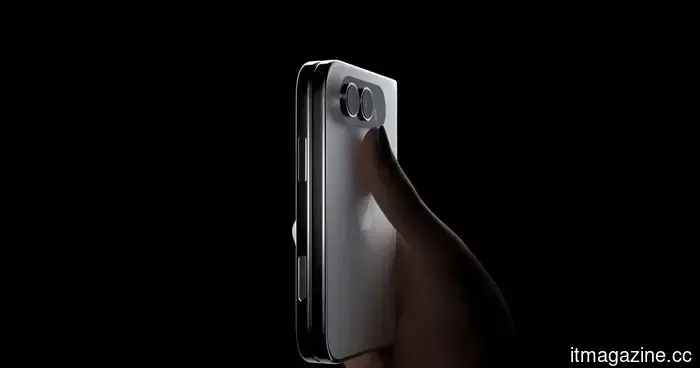
Wide foldables seem like a solution to numerous issues, and I'm eager to see Apple tackle this.
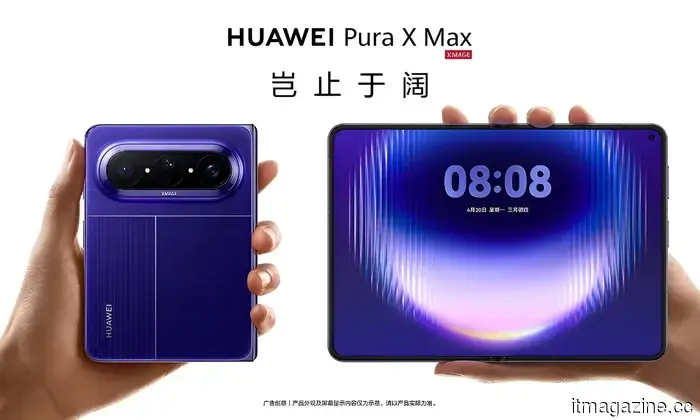
Huawei's new wide foldable design has me optimistic about the future of foldable smartphones. The Pura X Max opts for a broader, more passport-like shape rather than the typical tall-and-narrow format seen in most foldables, making it appear much more practical. This is precisely why the rumors surrounding Apple's foldable iPhone resonate with me.
The wide design addresses the shortcomings of traditional foldables
Many current foldables tend to resemble two compromised devices trying to function as one. When closed, they can feel overly narrow or bulky. When open, they provide additional screen space, but not always in a way that feels intuitive. Simply having a larger screen doesn't necessarily equate to better usability if the aspect ratio feels off.
A wider foldable alters that dynamic. When closed, it resembles a regular phone, and when opened, it acts more like a small tablet rather than an elongated phone. This presents a more compelling application of folding technology.
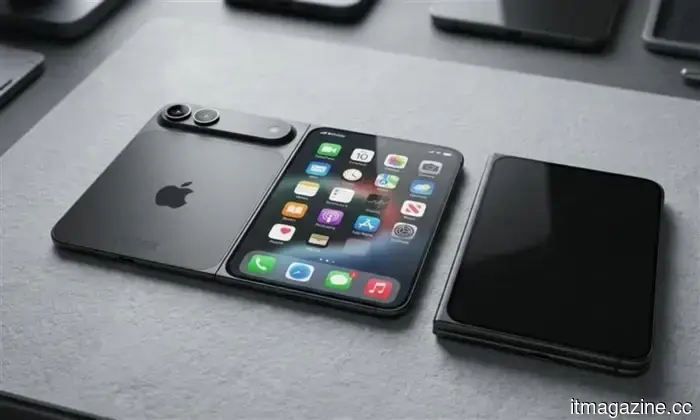
This is why Apple's rumored shorter, wider foldable seems encouraging. It may be slightly more difficult to fit into a pocket, but the potential benefits could outweigh that drawback if the device feels more secure in hand and significantly more functional when opened.
This could resemble a pocket-sized iPad mini
If Apple produces a wider iPhone Fold, it could sidestep the “gimmicky” aspect and provide functionality akin to that of a portable iPad mini. This design may be more suitable for reading, watching videos, surfing the web, taking notes, and managing split-screen applications without feeling cramped.
The device might also replicate some of the convenient secondary-screen features that already enhance the iPad mini’s utility within Apple's ecosystem. Thus, it’s not just about introducing a foldable product; it’s about merging the functionalities of two device categories into a more practical format.
Apple appears ready to make genuine compromises to achieve this goal. Recent reports suggest that the foldable iPhone may completely remove Face ID, opting instead for under-display camera technology on the inside screen. It may even maintain Camera Control, indicating that Apple aims to retain the iPhone's identity while adjusting to a larger foldable design.
Apple could create an effortlessly seamless experience
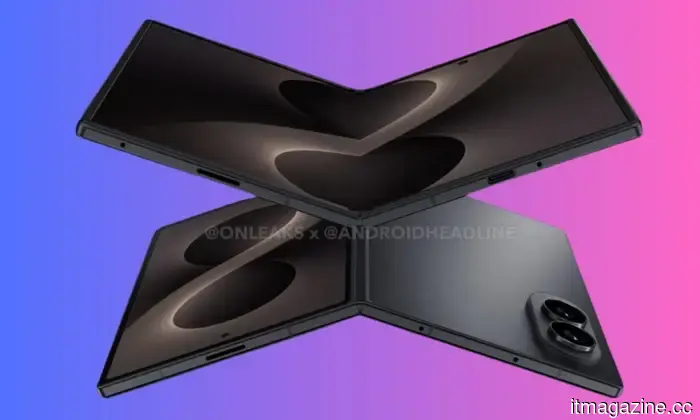
While Huawei has demonstrated that the hardware concept works, Apple's broader release may deliver a true experience of this new foldable format. However, it won't be alone in this endeavor, as rumors also indicate that Samsung is developing its own Wide Fold, which is expected to feature a shorter, wider design with a 4:3 inner display and a more tablet-like profile when opened.
If Apple optimizes the software, a wide iPhone Fold could serve as an excellent portable secondary screen for document editing, split-screen applications, video calls, and seamless cross-device continuity. This is where Apple holds its greatest advantage. Though not always the first to market, the company excels at making devices feel effortlessly intuitive.
Other articles
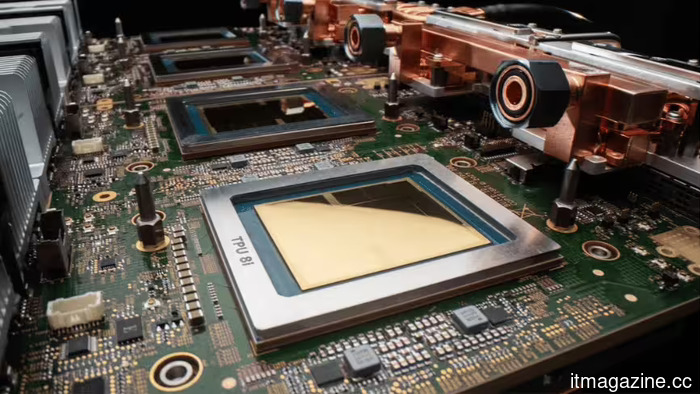 Google unveils the Ironwood TPU and offers a preview of its eighth generation, which is divided into training and inference chips at TSMC's 2nm technology.
Google's Ironwood TPU is operational, delivering 4.6 petaFLOPS per chip. The eighth generation is divided into two parts: Broadcom for training and MediaTek for inference, both manufactured at 2nm, set to launch in late 2027.
Google unveils the Ironwood TPU and offers a preview of its eighth generation, which is divided into training and inference chips at TSMC's 2nm technology.
Google's Ironwood TPU is operational, delivering 4.6 petaFLOPS per chip. The eighth generation is divided into two parts: Broadcom for training and MediaTek for inference, both manufactured at 2nm, set to launch in late 2027.
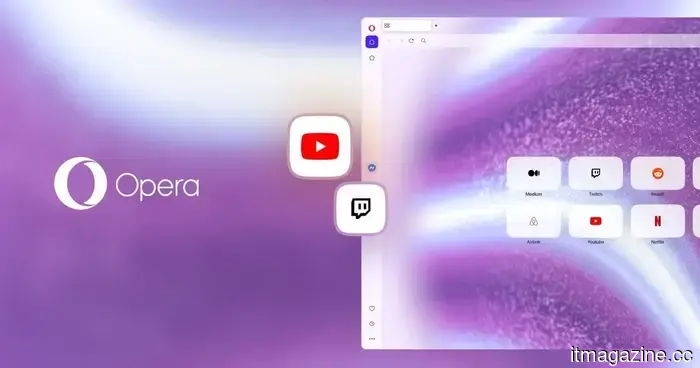 Opera One enhances video watching by offering a 500% volume boost, upgraded Picture-in-Picture (PiP) functionality, and support for streaming through the sidebar.
Opera One now enables users to pin YouTube and Twitch in the sidebar, increase tab volume to 500%, and utilize an updated picture-in-picture mode for video calls.
Opera One enhances video watching by offering a 500% volume boost, upgraded Picture-in-Picture (PiP) functionality, and support for streaming through the sidebar.
Opera One now enables users to pin YouTube and Twitch in the sidebar, increase tab volume to 500%, and utilize an updated picture-in-picture mode for video calls.
 The trailer for Devil May Cry Season 2 featuring the Dante vs. Vergil battle has us utterly captivated.
Netflix has released a trailer for Season 2 of Devil May Cry, hinting at an intense showdown between Dante and Vergil while introducing two significant antagonists.
The trailer for Devil May Cry Season 2 featuring the Dante vs. Vergil battle has us utterly captivated.
Netflix has released a trailer for Season 2 of Devil May Cry, hinting at an intense showdown between Dante and Vergil while introducing two significant antagonists.
 The Devil May Cry Season 2 trailer featuring the clash between Dante and Vergil has captured our full attention.
Netflix has released a trailer for Season 2 of Devil May Cry, hinting at an intense confrontation between Dante and Vergil while also introducing two significant villains.
The Devil May Cry Season 2 trailer featuring the clash between Dante and Vergil has captured our full attention.
Netflix has released a trailer for Season 2 of Devil May Cry, hinting at an intense confrontation between Dante and Vergil while also introducing two significant villains.
 Google introduces a $750M partner fund during Cloud Next 2026 to support agentic AI implementations across Accenture, Deloitte, and KPMG.
Google has allocated $750 million to speed up the development of agentic AI solutions by its partners. Accenture boasts over 450 agents, KPMG has committed $100 million, and partners are earning $7.05 for every $1 spent on the cloud.
Google introduces a $750M partner fund during Cloud Next 2026 to support agentic AI implementations across Accenture, Deloitte, and KPMG.
Google has allocated $750 million to speed up the development of agentic AI solutions by its partners. Accenture boasts over 450 agents, KPMG has committed $100 million, and partners are earning $7.05 for every $1 spent on the cloud.
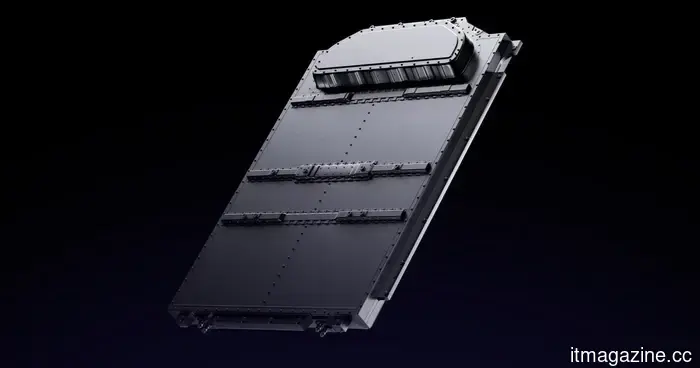 Batteries for electric vehicles that can be charged in just over six minutes have arrived.
CATL has recently introduced various new battery technologies, one of which can charge from 10% to 80% in just 3 minutes and 44 seconds.
Batteries for electric vehicles that can be charged in just over six minutes have arrived.
CATL has recently introduced various new battery technologies, one of which can charge from 10% to 80% in just 3 minutes and 44 seconds.
Wide foldables seem like a solution to numerous issues, and I'm eager to see Apple tackle this.
The more I observe wide foldables such as Huawei's, the more I believe that Apple's initial foldable could address some of the most frustrating compromises associated with this format.