

Batteries for electric vehicles that can be charged in just over six minutes have arrived.
CATL has made EV charging quicker than your morning coffee break.
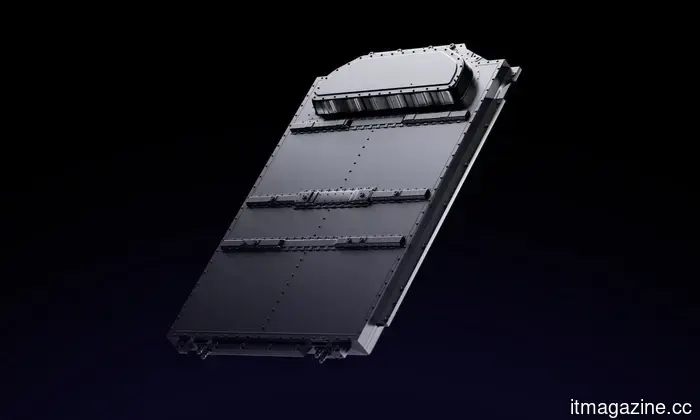
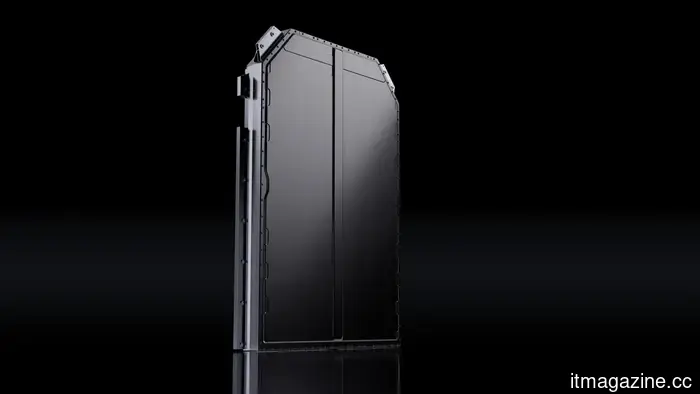
CATL recently held its Super Technology Day in Beijing, and for anyone interested in electric vehicles (EVs), this event is noteworthy. According to PR Newswire, the company introduced several new battery technologies, highlighted by the third-generation Shenxing Superfast Charging Battery.
The statistics are impressive. Charging from 10% to 80% takes just 3 minutes and 44 seconds, while charging from 10% to 98% requires 6 minutes and 27 seconds. Even in temperatures as low as minus 30 degrees Celsius, the battery can charge from 20% to 98% in around 9 minutes.
For comparison, this is faster than BYD’s blade battery and Geely’s fast charging solutions. In fact, most people would spend more time filling up their gas tank and grabbing a snack than this battery requires for a charge.
CATL also claims that this battery will maintain over 90% of its capacity after 1,000 full charge cycles, addressing the typical issue of balancing fast charging with battery lifespan.
What else did CATL reveal?
CATL didn’t stop at just one new product announcement. The third-generation Qilin battery is aimed at premium EVs, boasting a cell energy density of 280 Wh/kg and a claimed range of 1,000 km, effectively eliminating range anxiety for EV drivers.
According to the company, the entire battery pack weighs 625 kg, making it 255 kg lighter than similar systems. This weight reduction is said to enhance braking distance, acceleration, and even extend tyre life by over 30%.
For hybrid drivers, the second-generation Freevoy Super Hybrid battery offers a pure electric range of up to 600 km, with a total driving range exceeding 2,000 km. Additionally, the new Naxtra Sodium-ion battery will enter large-scale production by the end of 2026, catering to those in extreme climates.
What does this imply for you?
Charging and range anxiety have always been significant barriers to adopting EVs. With CATL’s advancements, it is becoming increasingly difficult to use these concerns as excuses. With charging times nearing those of traditional gas stations and batteries capable of traveling 1,000 kilometers on a single charge while handling extreme cold, the divide between EVs and conventional cars is swiftly narrowing.
CATL plans to set up 4,000 integrated charging and swapping stations across China by the end of 2026. China is leading advancements in EV technology, and it's no surprise that US consumers are eager for access to these innovations.
Rachit is an experienced tech journalist with over seven years of experience covering consumer technology.
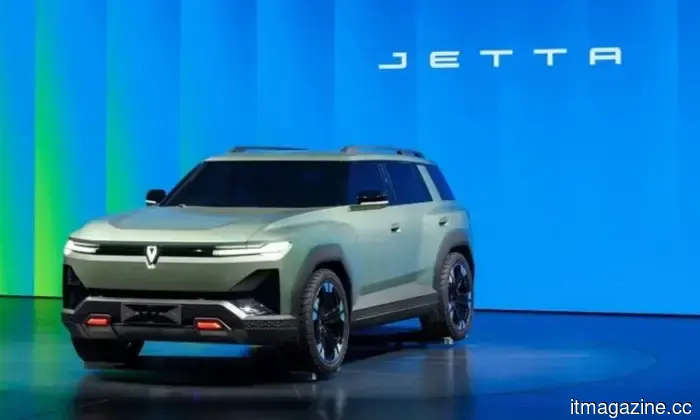
Volkswagen is transforming the Jetta into an electric SUV priced at $15,000, but it won't be available in the US.
Boxy, budget-friendly, and designed for Beijing: the Jetta X represents Volkswagen's most unconventional approach to EVs yet. For those familiar with the traditional Volkswagen Jetta in suburban environments, this shift to a boxy electric SUV concept for the competitive Chinese market is striking. Unfortunately, there are no plans to introduce it in the United States (via CarNewsChina). What does the introduction of the Jetta X Concept mean for the brand?
Read more.
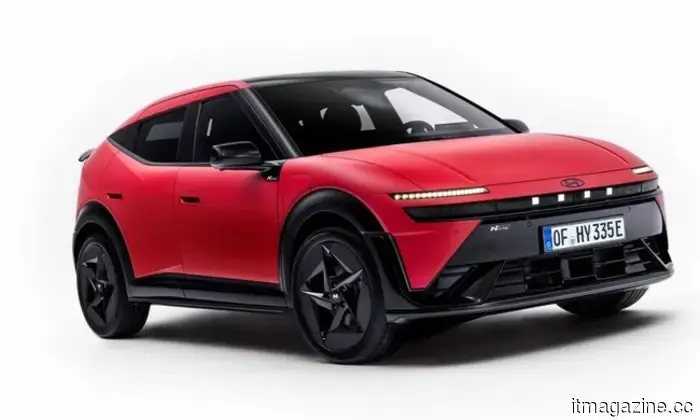
Hyundai has unveiled the Ioniq 3, which has the range, aesthetics, and space to impress.
Hyundai has officially launched the Ioniq 3, a compact hatchback tailored for European markets, aiming to provide practical solutions that most EVs struggle to deliver. Hyundai promises no range anxiety, no confusing technology, and no cramped rear seating. But will the Ioniq 3 offer enough features to compete effectively with rivals? Let’s find out.
Read more.
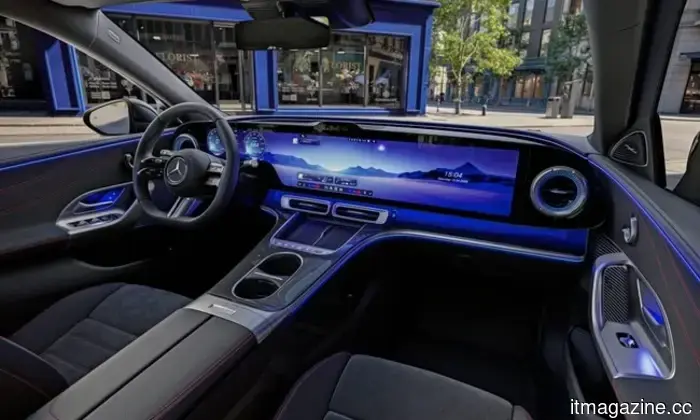
Mercedes-Benz C-Class adopts a sporty electric design and plans to arrive in the US next year.
The C-Class has always sat at the sweet spot of the Mercedes-Benz lineup, offering a refined feel of luxury. Now, for the first time, it is going fully electric. Mercedes unveiled the all-new electric C-Class on April 20 during a world premiere in South Korea, and it's already on track for the US market, with the first deliveries anticipated in the first half of 2027.
The figures are hard to overlook.
Read more.


Other articles
 The Devil May Cry Season 2 trailer featuring the clash between Dante and Vergil has captured our full attention.
Netflix has released a trailer for Season 2 of Devil May Cry, hinting at an intense confrontation between Dante and Vergil while also introducing two significant villains.
The Devil May Cry Season 2 trailer featuring the clash between Dante and Vergil has captured our full attention.
Netflix has released a trailer for Season 2 of Devil May Cry, hinting at an intense confrontation between Dante and Vergil while also introducing two significant villains.
 The trailer for Devil May Cry Season 2 featuring the Dante vs. Vergil battle has us utterly captivated.
Netflix has released a trailer for Season 2 of Devil May Cry, hinting at an intense showdown between Dante and Vergil while introducing two significant antagonists.
The trailer for Devil May Cry Season 2 featuring the Dante vs. Vergil battle has us utterly captivated.
Netflix has released a trailer for Season 2 of Devil May Cry, hinting at an intense showdown between Dante and Vergil while introducing two significant antagonists.
 Wide foldables seem like a solution to numerous issues, and I'm eager to see Apple tackle this.
The more I observe wide foldables such as Huawei's, the more I believe that Apple's initial foldable could address some of the most frustrating compromises associated with this format.
Wide foldables seem like a solution to numerous issues, and I'm eager to see Apple tackle this.
The more I observe wide foldables such as Huawei's, the more I believe that Apple's initial foldable could address some of the most frustrating compromises associated with this format.
 Snapchat Place Loyalty introduces a competitive element to Snap Map.
Snapchat has launched Place Loyalty, a new feature on Snap Map that offers tiered badges for regular visits, making everyday gatherings something to proudly display.
Snapchat Place Loyalty introduces a competitive element to Snap Map.
Snapchat has launched Place Loyalty, a new feature on Snap Map that offers tiered badges for regular visits, making everyday gatherings something to proudly display.
 Pichai kicks off Cloud Next 2026 with a $240 billion backlog, 750 million Gemini users, and a strategy to transform Search into an agent manager.
Google Cloud surpassed $70 billion in revenue, showing a 48% growth, with a backlog of $240 billion. Pichai mentioned that Search will evolve into an agent manager. Capital expenditures have doubled to $185 billion.
Pichai kicks off Cloud Next 2026 with a $240 billion backlog, 750 million Gemini users, and a strategy to transform Search into an agent manager.
Google Cloud surpassed $70 billion in revenue, showing a 48% growth, with a backlog of $240 billion. Pichai mentioned that Search will evolve into an agent manager. Capital expenditures have doubled to $185 billion.
 Batteries for electric vehicles that can fully charge in just over six minutes have arrived.
CATL has recently introduced a range of new battery technologies, one of which charges from 10% to 80% in just 3 minutes and 44 seconds.
Batteries for electric vehicles that can fully charge in just over six minutes have arrived.
CATL has recently introduced a range of new battery technologies, one of which charges from 10% to 80% in just 3 minutes and 44 seconds.
Batteries for electric vehicles that can be charged in just over six minutes have arrived.
CATL has recently introduced various new battery technologies, one of which can charge from 10% to 80% in just 3 minutes and 44 seconds.