
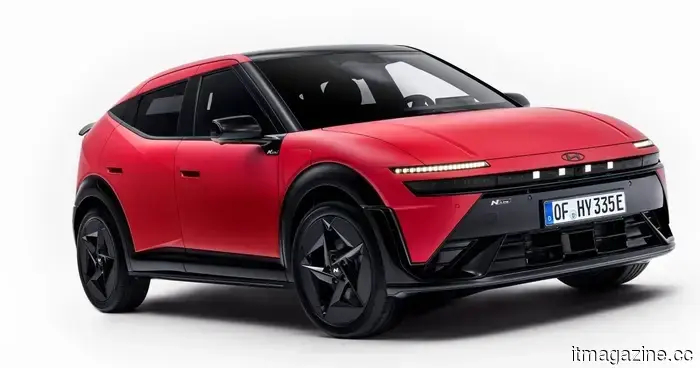
The Hyundai Ioniq 3 boasts impressive range, attractive design, and ample space to impress you.
Hyundai has officially launched the Ioniq 3, a compact hatchback aimed at the European market, focusing on something that many electric vehicles struggle with: true practicality for everyday use. Hyundai promises drivers that there will be no range anxiety, no complicated technology, and no cramped rear seating.
But does the Ioniq 3 offer enough features to compete effectively with other vehicles in its class? Let’s take a closer look.
What differentiates the Ioniq 3 from its competitors?
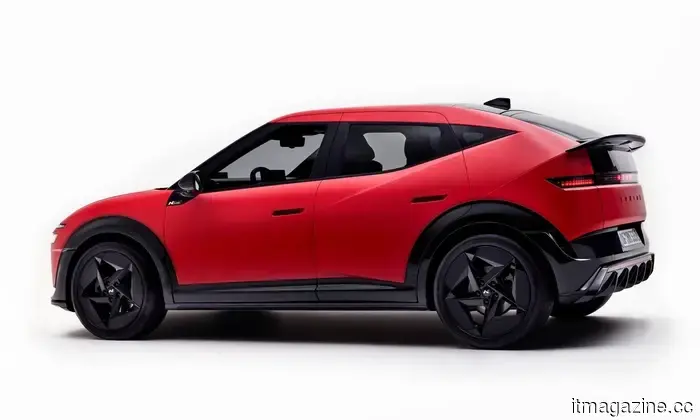
For Hyundai, it all begins with the design. They've dubbed it “Art of Steel,” and the concept is straightforward: clean lines, uncomplicated surfaces, and no unnecessary embellishments. The Ioniq 3 features a new Aero Hatch silhouette with a streamlined roofline that seamlessly extends into a rear spoiler, giving it a unique appearance without being overdone.
Hyundai
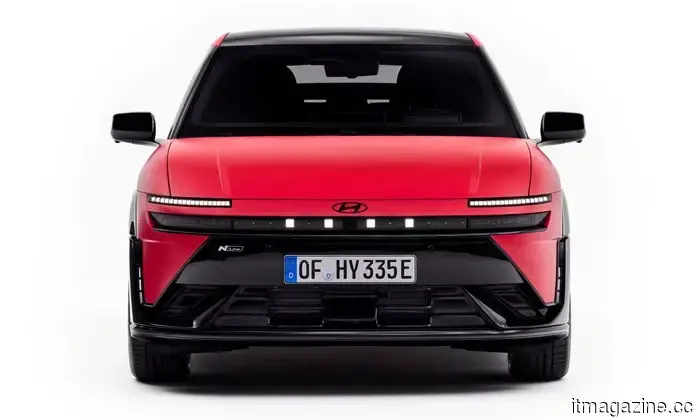
Additionally, it showcases Hyundai’s signature pixel lighting and four central dots that symbolize the letter “H” in Morse code, providing a fun detail for buyers. Customers can choose from eleven exterior colors, various interior styles, and wheel sizes that range from 16 to 19 inches. An N Line variant is also available if a sportier aesthetic is preferred.
Hyundai
Personally, I appreciate this design and find it more appealing than the overly minimalist look that many electric vehicles typically pursue.
Are the specifications sufficient to replace your petrol vehicle?
While the design is impressive, it wouldn’t mean much if the car cannot provide adequate range and performance. According to the press materials, the Ioniq 3 is available with two battery choices. The Standard Range version offers an anticipated 344 km (213 miles) WLTP range, while the Long Range variant increases that to 496 km (308 miles), which Hyundai claims will be a class leader.
What impresses me even more than the range is the rapid charging technology. Both variants can charge from 10 to 80 percent in under 30 minutes with DC fast charging, and AC charging supports up to 22 kW. While it may not measure up to offerings from Chinese competitors like Xiaomi or BYD, it’s still quite respectable. Each version generates 250 Nm of torque and has a top speed of 170 km/h.
Hyundai
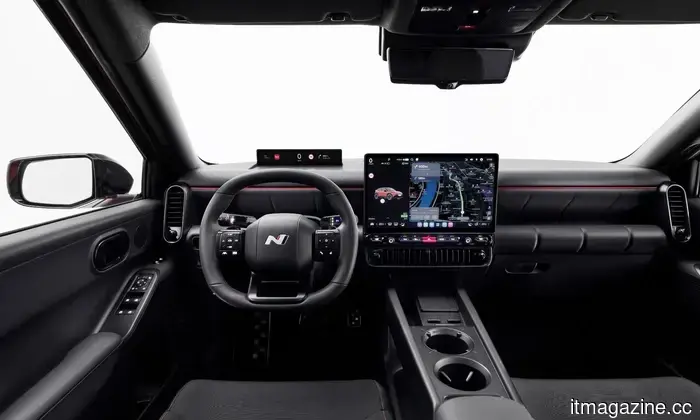
Inside, the flat-floor design provides ample rear legroom and headroom, comfortably accommodating three adults in the back. The trunk has a capacity of 441 liters, with an extra compartment cleverly concealed beneath the trunk floor. The interior includes heated and ventilated seats, a BOSE sound system, and dual-zone climate control, which feels quite generous for this vehicle class.
As it stands, the Ioniq 3 is filled with features, boasts a commendable range, and presents an appealing design. It will be manufactured at Hyundai’s facility in Turkey, with pricing yet to be confirmed. However, online discussions suggest it may start around £25,000–£30,000. If Hyundai can achieve that pricing, they could have a strong contender on their hands.
Other articles
 Top Medical Alert Systems of 2026: A Comparison of 7 Brands for Safety, Price, and Response Time.
Are you searching for the top medical alert system in 2026? We evaluated seven leading brands based on response time, cost, fall detection capabilities, and reliability.
Top Medical Alert Systems of 2026: A Comparison of 7 Brands for Safety, Price, and Response Time.
Are you searching for the top medical alert system in 2026? We evaluated seven leading brands based on response time, cost, fall detection capabilities, and reliability.
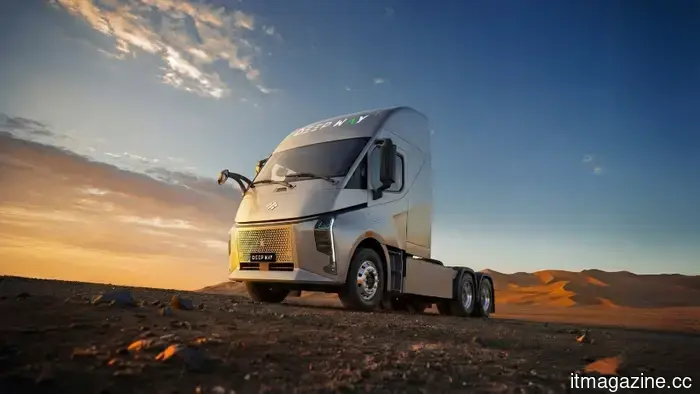 DeepWay secures $310 million in pre-IPO funding.
DeepWay secures $310 million in pre-IPO funding in preparation for a listing in Hong Kong, with the Australian superannuation fund NGS Super participating as an international investor.
DeepWay secures $310 million in pre-IPO funding.
DeepWay secures $310 million in pre-IPO funding in preparation for a listing in Hong Kong, with the Australian superannuation fund NGS Super participating as an international investor.
 Following X and Grok, Ofcom has launched an investigation into child safety concerning Telegram.
Ofcom has initiated a formal investigation into Telegram as per the UK Online Safety Act, assessing the platform's adherence to its obligations to safeguard users against CSAM.
Following X and Grok, Ofcom has launched an investigation into child safety concerning Telegram.
Ofcom has initiated a formal investigation into Telegram as per the UK Online Safety Act, assessing the platform's adherence to its obligations to safeguard users against CSAM.
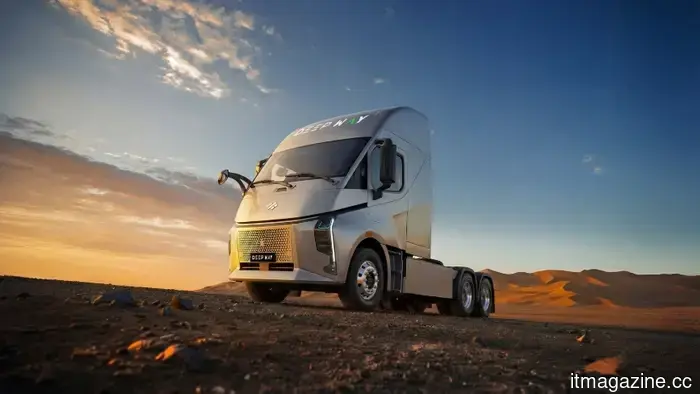 DeepWay secures $310 million in pre-IPO funding.
DeepWay secures $310 million in pre-IPO funding in preparation for its listing in Hong Kong, with Australian superannuation fund NGS Super participating as an international investor.
DeepWay secures $310 million in pre-IPO funding.
DeepWay secures $310 million in pre-IPO funding in preparation for its listing in Hong Kong, with Australian superannuation fund NGS Super participating as an international investor.
 Former engineers from Stripe and Tide secure €7.5M for a fintech venture.
Dublin and London-based fintech Seapoint secures €7.5M in a seed round led by 13books, now welcoming all startup founders from the UK and Ireland.
Former engineers from Stripe and Tide secure €7.5M for a fintech venture.
Dublin and London-based fintech Seapoint secures €7.5M in a seed round led by 13books, now welcoming all startup founders from the UK and Ireland.
 SpaceX's public IPO submission verifies that Musk and other insiders maintain significant voting control.
SpaceX’s public S-1 filing reveals that Musk holds approximately 79% of the voting power with around 42% equity through a dual-class structure, as the company aims for a $1.75 trillion IPO in June, seeking to raise as much as $75 billion.
SpaceX's public IPO submission verifies that Musk and other insiders maintain significant voting control.
SpaceX’s public S-1 filing reveals that Musk holds approximately 79% of the voting power with around 42% equity through a dual-class structure, as the company aims for a $1.75 trillion IPO in June, seeking to raise as much as $75 billion.
The Hyundai Ioniq 3 boasts impressive range, attractive design, and ample space to impress you.
The new IONIQ 3 from Hyundai is a compact electric hatchback offering a range of up to 496 km, a trunk capacity of 441 liters, and technology aimed at simplifying the experience of owning an electric vehicle.