

Top Medical Alert Systems of 2026: A Comparison of 7 Brands for Safety, Price, and Response Time.
Medical alert systems have become a vital safety resource for older adults seeking to retain their independence while ensuring immediate assistance is available at the touch of a button. These devices link users to trained emergency operators around the clock, offering reassurance to both seniors and their families.
In recent years, the medical alert industry has undergone significant changes. What previously depended on landline connections and cumbersome equipment has now evolved into a market featuring cellular connectivity, GPS tracking, fall detection, and even smartwatch alternatives. However, this growth introduces complexity. How can you select the appropriate system when every company claims to be the best?
I dedicated three months to researching and testing medical alert systems to sift through the promotional clutter. I evaluated pricing models, assessed response times, measured equipment quality, and reviewed thousands of customer complaints to pinpoint where these companies fell short. This isn’t a catalog of sponsored suggestions; it's a straightforward evaluation of what truly works and what does not.
### What to Consider in a Medical Alert System
Before exploring specific brands, it’s essential to identify what distinguishes a reliable medical alert system from one that may fail you in critical moments.
Monitoring quality is more important than cost. The least expensive system is meaningless if the monitoring center is understaffed or relies on automated responses instead of trained personnel. I prioritized systems with monitoring centers based in the U.S. and human-operated emergency response.
Fall detection can be beneficial but is not foolproof. Automatic fall detection employs sensors to summon help if you are unable to press the button yourself. Testing indicates that these features serve best as a backup rather than a substitute for the call button. Even the most effective systems only detect 50-80% of falls under real-life conditions.
Contracts and cancellation policies can reveal a lot. Companies that bind you to multi-year agreements or make cancellation challenging are banking on your reluctance to leave, even if the service is unsatisfactory. I preferred providers that offer month-to-month plans.
Response time is crucial. The difference between a 10-second response and a 60-second response can be significant in a medical crisis. I monitored average response times based on independent testing data.
### How I Assessed These Systems
My evaluation process concentrated on three main areas: transparency, reliability, and value.
For transparency, I scrutinized pricing structures to uncover hidden fees, equipment costs, and contract stipulations. I reviewed complaints filed with the Better Business Bureau and customer feedback to identify frequent problems. I looked for companies willing to share information about their monitoring center locations and staffing policies.
For reliability, I examined response time statistics, fall detection accuracy rates, and equipment malfunction instances. I favored systems that offer backup cellular connectivity and emergency power to ensure functionality during outages.
For value, I compared monthly rates against included features, extra charges for essential services like fall detection, and the overall quality of monitoring and customer support.
The systems listed below are ranked based on this assessment, starting with the most favorable option.
1. **Bay Alarm Medical**
- **Best For:** Seniors who prioritize rapid response times and human-based monitoring.
- **Monthly Cost:** Starting at $27.95
- **Contract:** None (month-to-month)
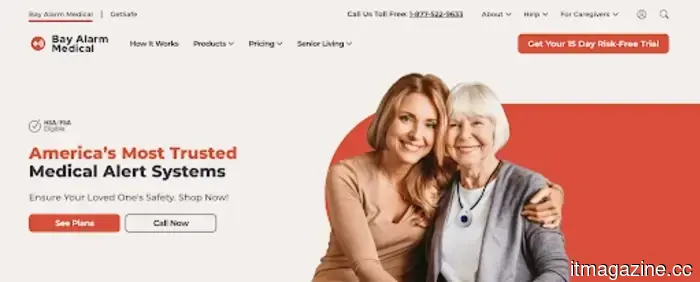
Bay Alarm Medical secured the top ranking for 2026 by concentrating on what is most important: quickly delivering help. This family-operated business achieves industry-leading response times while providing competitive pricing that outshines larger corporate competitors.
**What Makes It Unique**
In contrast to private equity firms focused on profits, Bay Alarm Medical operates as a family business that prioritizes quality. Their monitoring centers are staffed by trained emergency operators rather than AI call centers or automated systems. When you press the button, you’re connected to a real person who can evaluate your situation and organize the appropriate response.
The company has been recognized by the Medical Alert Buyers Guide as the Best Medical Alert System for 2026, along with favorable feedback from CNET and Safewise. These accolades highlight their consistent performance in key areas: response speed, customer service, and transparent pricing.
**Response Time and Monitoring**
Bay Alarm Medical’s U.S.-based monitoring centers operate 24/7 and offer multilingual support. Their average response time is significantly below the industry standard, allowing for a faster connection to an operator compared to most competitors. For someone experiencing a fall or medical emergency, those extra seconds can be crucial.
The monitoring service includes coordination with emergency responders, notifications for family members, and detailed incident reports. Operators remain on the line until help arrives, providing comfort during high-stress situations.
**Pricing and Value**
With starting prices at $27.95 per month and no contracts, Bay Alarm Medical provides one of the most affordable entry points in the industry. There are no hidden activation fees, equipment costs, or unexpected bills. While fall detection incurs an additional cost, the base pricing remains competitive even with add-ons.
The company offers a 15-day risk-free trial, enabling you to try the system before making a commitment. This confidence in their product quality



Other articles
 DeepWay secures $310 million in pre-IPO funding.
DeepWay secures $310 million in pre-IPO funding in preparation for its listing in Hong Kong, with Australian superannuation fund NGS Super participating as an international investor.
DeepWay secures $310 million in pre-IPO funding.
DeepWay secures $310 million in pre-IPO funding in preparation for its listing in Hong Kong, with Australian superannuation fund NGS Super participating as an international investor.
 DeepWay secures $310 million in pre-IPO funding.
DeepWay secures $310 million in pre-IPO funding in preparation for a listing in Hong Kong, with the Australian superannuation fund NGS Super participating as an international investor.
DeepWay secures $310 million in pre-IPO funding.
DeepWay secures $310 million in pre-IPO funding in preparation for a listing in Hong Kong, with the Australian superannuation fund NGS Super participating as an international investor.
 SpaceX's public IPO registration verifies that Musk and other insiders maintain significant voting authority.
SpaceX's public S-1 filing reveals that Musk has control over approximately 79% of the voting power, holding around 42% equity through a dual-class structure, while the company aims for a $1.75 trillion IPO in June, seeking to raise as much as $75 billion.
SpaceX's public IPO registration verifies that Musk and other insiders maintain significant voting authority.
SpaceX's public S-1 filing reveals that Musk has control over approximately 79% of the voting power, holding around 42% equity through a dual-class structure, while the company aims for a $1.75 trillion IPO in June, seeking to raise as much as $75 billion.
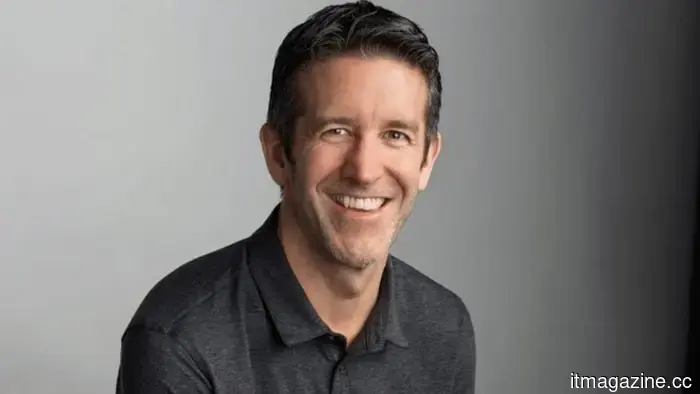 John Ternus profile: the engineer who developed Apple's hardware steps into the role of CEO, facing AI as his greatest challenge.
John Ternus has reversed the decline in Apple's product quality, developed iPadOS, and managed the Apple Silicon project. He now takes on a company that urgently requires an AI strategy.
John Ternus profile: the engineer who developed Apple's hardware steps into the role of CEO, facing AI as his greatest challenge.
John Ternus has reversed the decline in Apple's product quality, developed iPadOS, and managed the Apple Silicon project. He now takes on a company that urgently requires an AI strategy.
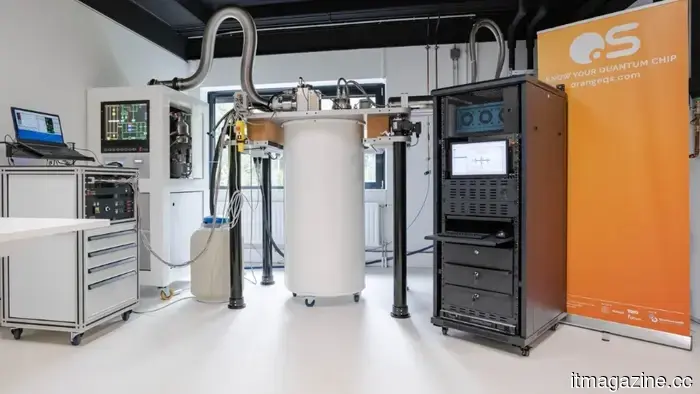 OrangeQS completes a €15 million seed funding round.
OrangeQS secures €15M in seed funding supported by the EIC Fund and initiates the MAX Partnership Programme in collaboration with Rigetti, QuantWare, and Peak Quantum.
OrangeQS completes a €15 million seed funding round.
OrangeQS secures €15M in seed funding supported by the EIC Fund and initiates the MAX Partnership Programme in collaboration with Rigetti, QuantWare, and Peak Quantum.
 Meta has recruited five founders from the Thinking Machines Lab, including an engineer associated with a reported $1.5 billion valuation.
Meta has methodically recruited five original members of Mira Murati's Thinking Machines Lab following her refusal of a $1 billion acquisition offer, altering its AI division.
Meta has recruited five founders from the Thinking Machines Lab, including an engineer associated with a reported $1.5 billion valuation.
Meta has methodically recruited five original members of Mira Murati's Thinking Machines Lab following her refusal of a $1 billion acquisition offer, altering its AI division.
Top Medical Alert Systems of 2026: A Comparison of 7 Brands for Safety, Price, and Response Time.
Are you searching for the top medical alert system in 2026? We evaluated seven leading brands based on response time, cost, fall detection capabilities, and reliability.