
MIT showcases sensor technology that allows for blood glucose monitoring on smartwatches.
The finger prick could soon become obsolete, thanks to MIT.
Monitoring blood sugar multiple times a day is one of the most challenging aspects of diabetes management. It involves pricking your finger to draw blood and repeating the process several times. Researchers at MIT may have discovered a method to eliminate this procedure.
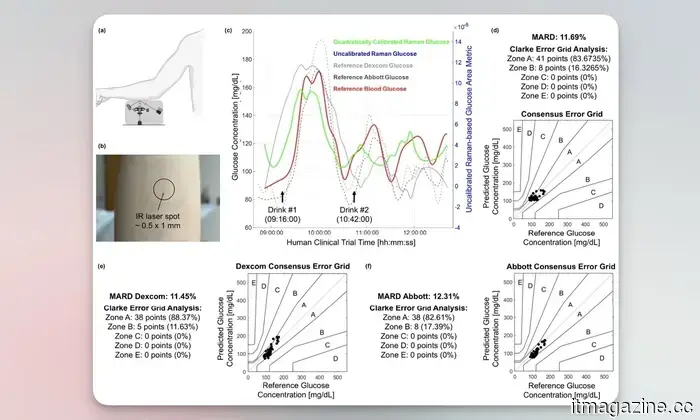
MIT scientists have created a shoebox-sized device capable of measuring blood glucose levels without the use of needles. The device employs a technique called Raman spectroscopy, which involves shining near-infrared light onto the skin and examining how the light interacts with the tissue's molecules.
This device detects glucose signals located just beneath the skin’s surface, eliminating the need for wire insertions or finger pricks.
So, how precise is it?
It turns out it is quite accurate. In tests involving a healthy volunteer, the device's readings corresponded to those given by commercial glucose monitors that require an embedded sensor.
Measurements were recorded every five minutes over a four-hour timeframe while the subject consumed two glucose drinks to assess the device across various blood sugar levels.
Each reading takes a bit over 30 seconds, which is relatively quick for a noninvasive technique.
“If we can develop a noninvasive glucose monitor with high precision, it would benefit nearly everyone with diabetes,” stated Jeon Woong Kang, a research scientist at MIT and the lead author of the study.
The researchers also intend to conduct a larger study next year with diabetic participants. Additionally, they are working to ensure the accuracy of readings across different skin tones, which is a crucial step before the device can reach the mainstream market.
Will there be a wearable version?
Indeed, and sooner than expected. The team has already constructed a smaller prototype, approximately the size of a cellphone, and is currently testing it with healthy and prediabetic volunteers. The aim is to eventually reduce it to a size similar to a smartwatch.
If these tests prove successful, accurate blood glucose monitoring could soon be available on smartwatches, representing a significant advancement for diabetic patients.
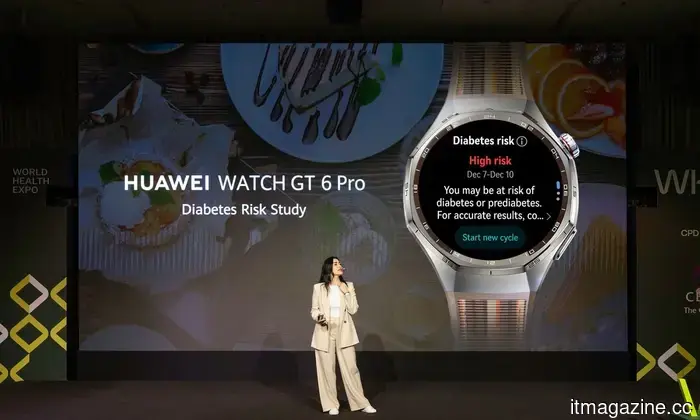
Moreover, MIT is not the only player in this area. Companies like Huawei are also exploring diabetes risk detection for their smartwatches. We hope these innovations are made public soon, as they have the potential to enhance our lives.
Though it's still early, the era of finger pricks may genuinely be coming to an end.



Other articles
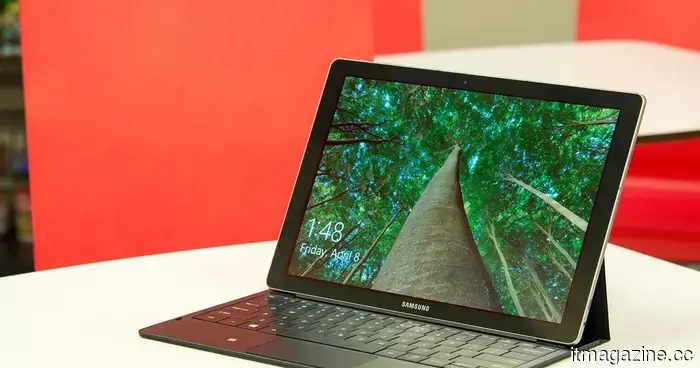 Samsung has discreetly increased the prices of its Galaxy tablets in the United States.
Wake up, Samsung has once more increased its prices.
Samsung has discreetly increased the prices of its Galaxy tablets in the United States.
Wake up, Samsung has once more increased its prices.
 The Batman Part II: Release date, cast, storyline, and all the details available so far.
What’s the most recent update on The Batman Part II? Here’s all the information we have about the sequel to The Batman, including details on the release date, storyline, and cast.
The Batman Part II: Release date, cast, storyline, and all the details available so far.
What’s the most recent update on The Batman Part II? Here’s all the information we have about the sequel to The Batman, including details on the release date, storyline, and cast.
 OnePlus reveals an impressive gaming-focused phone that you probably won't be able to obtain.
You’re not prepared for this gaming powerhouse.
OnePlus reveals an impressive gaming-focused phone that you probably won't be able to obtain.
You’re not prepared for this gaming powerhouse.
 Apple TV and Peacock Premium Plus have both become more affordable, thanks to Amazon's intervention.
That's a great offer!
Apple TV and Peacock Premium Plus have both become more affordable, thanks to Amazon's intervention.
That's a great offer!
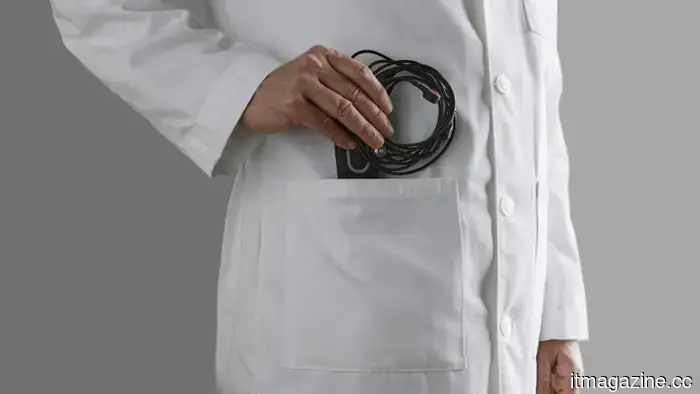 AliveCor’s Kardia 12L has received its CE marking.
AliveCor's Kardia 12L, a compact AI ECG device, has obtained CE Mark certification for its introduction in France, Germany, Italy, Spain, and the UK.
AliveCor’s Kardia 12L has received its CE marking.
AliveCor's Kardia 12L, a compact AI ECG device, has obtained CE Mark certification for its introduction in France, Germany, Italy, Spain, and the UK.
 Meta and Broadcom have extended their partnership for AI chips until 2029.
Meta and Broadcom have prolonged their AI chip agreement until 2029, beginning with over 1GW of MTIA processors. The latest chips are manufactured using a 2-nanometer process.
Meta and Broadcom have extended their partnership for AI chips until 2029.
Meta and Broadcom have prolonged their AI chip agreement until 2029, beginning with over 1GW of MTIA processors. The latest chips are manufactured using a 2-nanometer process.
MIT showcases sensor technology that allows for blood glucose monitoring on smartwatches.
MIT has developed a new device that measures blood sugar levels using light, eliminating the need for needles, and a wearable variant is currently in development.