
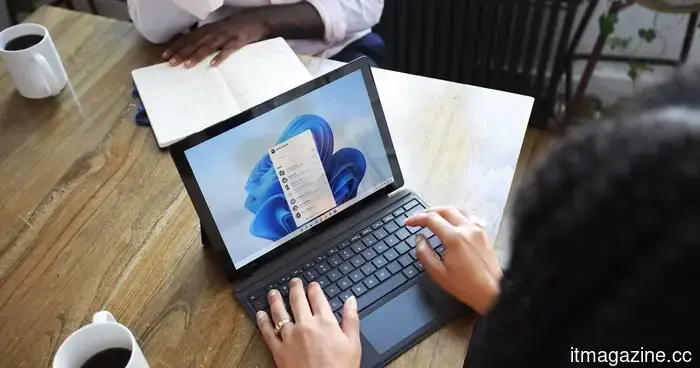
France bids “au revoir” to Windows and “bonjour” to Linux.
France is set to make a significant change to its government technology framework, announcing plans to shift from Microsoft Windows to Linux. This decision represents a crucial step in the nation's broader objective to lessen its dependence on U.S.-based technology firms and reclaim control over its digital systems.
The transition will start with government workstations, especially in essential digital agencies, as part of a comprehensive strategy to embrace open-source and locally managed technologies.
A Strategic Push for Digital Sovereignty
This initiative is grounded in what French officials refer to as a drive for “digital sovereignty.” Government leaders have stressed the importance of regaining authority over national data, infrastructure, and decision-making systems, rather than relying on foreign technology suppliers.
Linux
As an open-source platform, Linux provides governments the ability to tailor, audit, and oversee their systems independently of third-party companies. This adaptability is a major factor in France’s choice, as it strives for increased autonomy in the construction and management of its digital infrastructure.
The effort goes beyond just operating systems. France has already started replacing other U.S.-developed tools, such as video conferencing and cloud services, with locally created alternatives.
Why This Shift Matters Beyond France
France’s decision mirrors a broader movement across Europe, where governments are becoming more anxious about their dependence on foreign technology. Heightened geopolitical tensions and concerns regarding data privacy and security have prompted initiatives to localize digital infrastructures.
The European Union is also investigating ways to decrease reliance on non-European suppliers, indicating that similar initiatives may emerge in other nations.
For policymakers, the matter extends beyond cost or efficiency. It centers on control—ensuring that vital systems are not influenced by external factors, policy changes, or restrictions set by foreign governments or corporations.
What It Means for Users and Businesses
For individual users, the immediate effects may be minimal, as the transition primarily impacts government systems. However, the long-term consequences could be substantial.
If successful, this initiative could spur the broader adoption of Linux and open-source software in both public and private sectors. It might also foster the growth of local technology ecosystems, creating new opportunities for European software enterprises.
Nevertheless, the transition will face challenges. Migrating extensive systems from Windows to Linux entails thorough planning, training, and compatibility adaptations, particularly for legacy applications.
What Comes Next
France has not released a specific timeline for the complete transition, but the initiative is anticipated to unfold gradually, beginning with certain agencies and expanding thereafter.
Government ministries have been ordered to formulate plans to reduce dependence on foreign technology, with broader implementation expected in the next few years.
Should the transition be successful, it could become a blueprint for other nations seeking greater control over their digital frameworks.
Ultimately, France’s initiative underscores a growing transformation in how countries perceive technology—not merely as a tool for efficiency, but as a strategic asset linked to sovereignty, security, and long-term independence.
Other articles
 The AirPods Max 2 have finally arrived, but Apple hasn't addressed all the issues that users hoped would be resolved.
After five years, the AirPods Max 2 introduce enhanced sound processing, upgraded active noise cancellation (ANC), and new functionalities such as Adaptive Audio and lossless audio support. However, some of the major issues have not been resolved.
The AirPods Max 2 have finally arrived, but Apple hasn't addressed all the issues that users hoped would be resolved.
After five years, the AirPods Max 2 introduce enhanced sound processing, upgraded active noise cancellation (ANC), and new functionalities such as Adaptive Audio and lossless audio support. However, some of the major issues have not been resolved.
 In 2026, iPhones claim the top spot in the global smartphone market as Google Pixels experience significant growth.
In the first quarter of 2026, Apple tops the global smartphone shipments with a 21% market share, while Google Pixel experiences significant growth despite a general downturn in the market.
In 2026, iPhones claim the top spot in the global smartphone market as Google Pixels experience significant growth.
In the first quarter of 2026, Apple tops the global smartphone shipments with a 21% market share, while Google Pixel experiences significant growth despite a general downturn in the market.
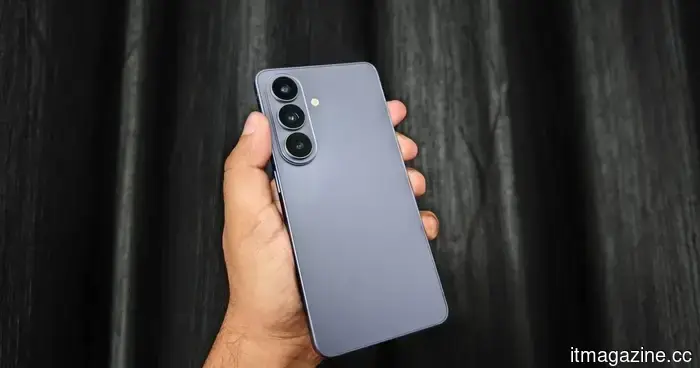 I criticized the Galaxy S26 in my review, yet it remains frustratingly easy to appreciate.
I still believe that the Galaxy S26 is too cautious for a flagship price — however, I can't overlook how enjoyable it is to use.
I criticized the Galaxy S26 in my review, yet it remains frustratingly easy to appreciate.
I still believe that the Galaxy S26 is too cautious for a flagship price — however, I can't overlook how enjoyable it is to use.
 While the PlayStation 6 may not cause a significant price surprise, it's best not to get too carried away with the optimistic chatter.
Initial reports indicate that the PS6 could be released at a price similar to that of the PS5, even with the increasing costs of memory and chips.
While the PlayStation 6 may not cause a significant price surprise, it's best not to get too carried away with the optimistic chatter.
Initial reports indicate that the PS6 could be released at a price similar to that of the PS5, even with the increasing costs of memory and chips.
 X prepares to launch a dedicated messaging app as XChat becomes available on the App Store.
The XChat will provide end-to-end encrypted messaging and will be accessible to iPhone users on April 17, featuring support for more than 45 languages.
X prepares to launch a dedicated messaging app as XChat becomes available on the App Store.
The XChat will provide end-to-end encrypted messaging and will be accessible to iPhone users on April 17, featuring support for more than 45 languages.
 The importance of data quality when handling data on a large scale.
Discover the importance of data quality for contemporary data pipelines, the necessity for validation to go beyond just staging, and the methods to create dependable systems at scale.
The importance of data quality when handling data on a large scale.
Discover the importance of data quality for contemporary data pipelines, the necessity for validation to go beyond just staging, and the methods to create dependable systems at scale.
France bids “au revoir” to Windows and “bonjour” to Linux.
France intends to switch from Windows to Linux in order to lessen its dependence on US technology and enhance its digital sovereignty.