
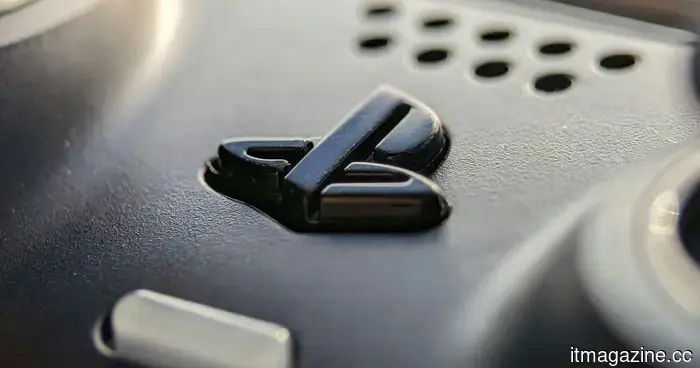
While the PlayStation 6 may not cause a significant price surprise, it's best not to get too carried away with the optimistic chatter.
Recent reports indicate that the upcoming PlayStation console, anticipated to succeed the PlayStation 5, might not be as pricey as initially feared. While there are ongoing worries about increasing costs for memory and components, preliminary estimates suggest that the PlayStation 6 could be priced closer to the current levels of the PS5, rather than exceeding $1,000.
Pricing Expectations Remain More Favorable Than Worst-Case Scenarios
Recent analysis, referencing supply chain estimates and insider information from Moore’s Law Is Dead, predicts that the PS6 could debut at approximately $749.
Digital Trends
The report indicates that the manufacturing costs for the console may hit around $743 per unit, with memory expenses being a substantial part of that amount. Specifically, about $300 might be attributed to RAM, while storage components like SSDs are also quite costly.
Despite these factors, the expected retail price remains relatively aligned with the positioning of the PS5, especially when compared to earlier concerns that the next-gen console might surpass $1,000.
Ongoing Memory And Chip Costs Continue To Impact Pricing
The main uncertainty regarding the PS6's pricing comes from the global memory and chip marketplace. Over the past year, the demand for AI infrastructure has significantly elevated the costs of RAM and storage components.
Reports suggest that the prices of DRAM and SSDs have risen sharply due to heightened demand from data centers and AI enterprises, restricting availability for consumer electronics.
In some instances, RAM prices have soared, with certain components experiencing multiple-fold increases.
This trend has already affected current-generation consoles. Sony recently raised PS5 prices globally, attributing the hike to increased component costs, reflecting the significant impact of supply chain volatility on the gaming sector.
Reasons The Price Might Remain Controlled
Nevertheless, analysts are optimistic that the PS6 may avoid exorbitant pricing thanks to a variety of factors.
Firstly, companies like Sony are likely to refine component selections and enhance production efficiency over time. Expectations also suggest that some component prices, especially memory, could stabilize before the PS6’s release, which is rumored for 2027 or beyond.
Moreover, tariffs and geopolitical dynamics play a significant role. Estimates indicate that import tariffs could drive the console's price closer to $900 or more, contingent on market conditions at the time of launch.
However, should these external pressures diminish, the final retail price could fall within a more consumer-friendly range.
Implications For Gamers
For gamers, the outlook is cautiously optimistic. While next-gen hardware is anticipated to become pricier due to advanced components and AI-driven enhancements, the PS6 may still stay within a familiar price range.
Giovanni Colantonio / Digital Trends
Nonetheless, supply chain instability means that nothing is certain. Prices could vary greatly based on memory costs, tariffs, and global demand as the launch date approaches.
Looking Ahead
Sony has not yet officially announced any details about the PlayStation 6, and its launch is still a few years away. Reports suggest that the company may hold off on announcements until market conditions improve, especially regarding memory supply and pricing.
In the meantime, the industry continues to contend with rising costs and supply chain unpredictability. As demand for AI grows and chip shortages continue, the next few years are likely to be pivotal in influencing not only the PS6's price but also the overall affordability of gaming hardware in the future.
Other articles
 iPhone 18 series: All the information available to date
For the first time, Apple might unveil its iPhone 18 series through two distinct events, altering the entire approach to planning your next upgrade.
iPhone 18 series: All the information available to date
For the first time, Apple might unveil its iPhone 18 series through two distinct events, altering the entire approach to planning your next upgrade.
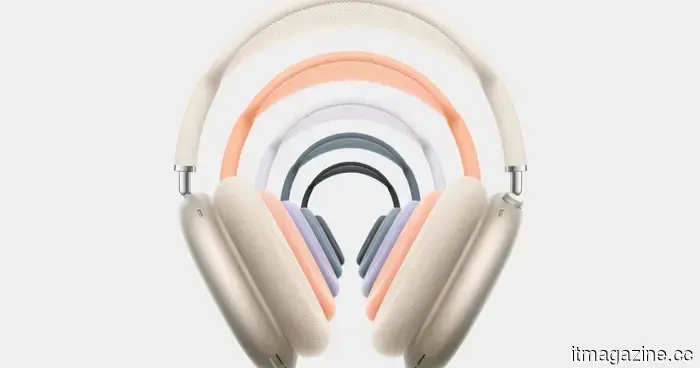 AirPods Max 2 have finally arrived, but Apple hasn’t addressed all the issues that users hoped would be resolved.
After five years, the AirPods Max 2 introduce enhanced sound processing, better ANC, and new functionalities such as Adaptive Audio and lossless support. However, several of the major issues have not been resolved.
AirPods Max 2 have finally arrived, but Apple hasn’t addressed all the issues that users hoped would be resolved.
After five years, the AirPods Max 2 introduce enhanced sound processing, better ANC, and new functionalities such as Adaptive Audio and lossless support. However, several of the major issues have not been resolved.
 Anthropic integrates Claude into Microsoft Word, with legal contract review being its primary application.
Anthropic's Claude for Word beta is now available in Microsoft Word for Team and Enterprise users, with the initial use case focused on legal contract review.
Anthropic integrates Claude into Microsoft Word, with legal contract review being its primary application.
Anthropic's Claude for Word beta is now available in Microsoft Word for Team and Enterprise users, with the initial use case focused on legal contract review.
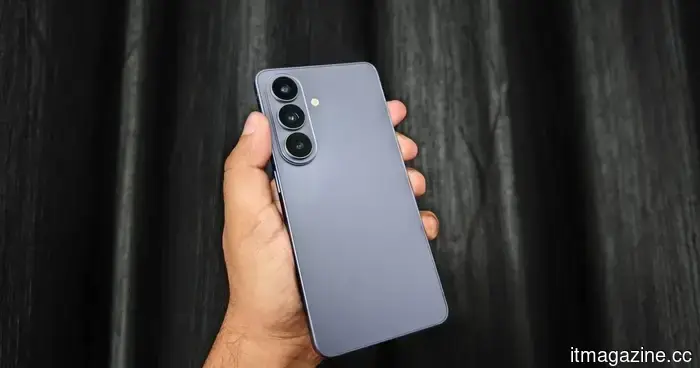 I criticized the Galaxy S26 in my review, yet it remains frustratingly easy to appreciate.
I still believe that the Galaxy S26 is too cautious for a flagship price — however, I can't overlook how enjoyable it is to use.
I criticized the Galaxy S26 in my review, yet it remains frustratingly easy to appreciate.
I still believe that the Galaxy S26 is too cautious for a flagship price — however, I can't overlook how enjoyable it is to use.
 X prepares to launch a dedicated messaging application as XChat becomes available on the App Store.
The XChat will allow for end-to-end encrypted messaging and will be accessible to iPhone users starting April 17, offering support for more than 45 languages.
X prepares to launch a dedicated messaging application as XChat becomes available on the App Store.
The XChat will allow for end-to-end encrypted messaging and will be accessible to iPhone users starting April 17, offering support for more than 45 languages.
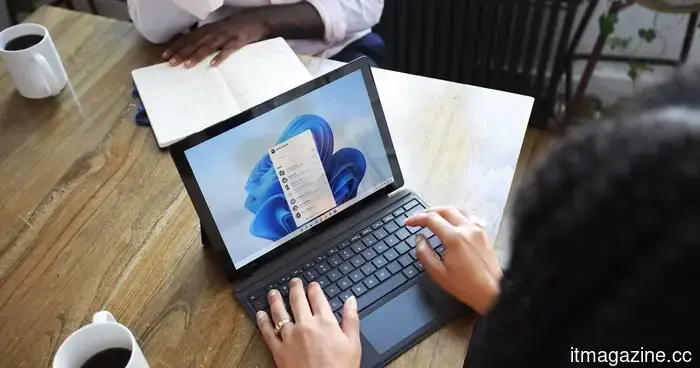 France bids “au revoir” to Windows and “bonjour” to Linux.
France intends to switch from Windows to Linux in order to lessen its dependence on US technology and enhance its digital sovereignty.
France bids “au revoir” to Windows and “bonjour” to Linux.
France intends to switch from Windows to Linux in order to lessen its dependence on US technology and enhance its digital sovereignty.
While the PlayStation 6 may not cause a significant price surprise, it's best not to get too carried away with the optimistic chatter.
Initial reports indicate that the PS6 could be released at a price similar to that of the PS5, even with the increasing costs of memory and chips.