
Gmail on mobile has introduced end-to-end encryption to protect your emails from prying eyes.
One year after its desktop introduction, Gmail's most robust privacy feature has finally been launched on mobile, where the majority of enterprise emails are typically composed.
Your most sensitive Gmail communications now enjoy enhanced privacy protection on your mobile device, as Google has begun rolling out end-to-end encryption (E2EE) for its Gmail app on both Android and iOS.
For the first time, eligible users on Android and iOS can write and read encrypted emails directly within the Gmail app, eliminating the need to download and install third-party applications.
How does E2EE function in Gmail for mobile?
Gmail's E2EE was first made available to desktop users in April 2025, coinciding with its 21st anniversary. Support for external recipients was added in October 2025, but mobile devices were left out, creating a considerable privacy gap.
Now, with the update in April 2026, that gap has been addressed. If you're familiar with how E2EE works on other messaging services, you can anticipate its functionality in Gmail: only you and the intended recipient are able to see the email.
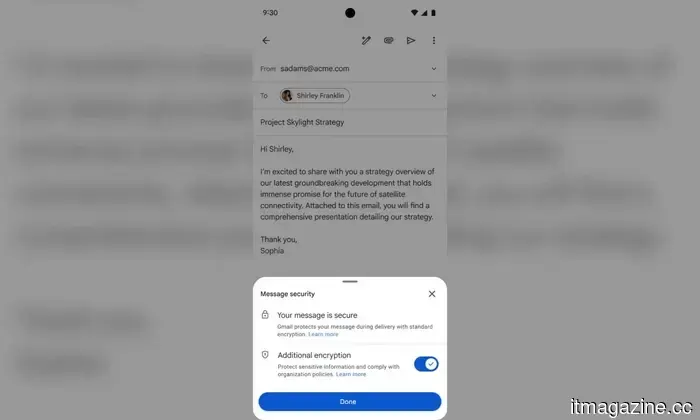
When composing an email, you can tap the lock icon, toggle the "additional encryption" option, and send your message. If the recipient uses Gmail, the email appears in their inbox like any standard email. If they are using a different service, however, they will receive a secure link to read and respond to the email via a web browser without needing a Gmail account.
Who can access E2EE on Gmail for mobile?
Here’s the caveat: E2EE in Gmail for mobile is restricted to Google Workspace Enterprise Plus accounts equipped with the Assured Controls or Assured Controls Plus add-on. Administrators must enable mobile access for Android and iOS through the client-side encryption settings.
In summary, personal Gmail users on mobile will not have access. Nonetheless, by aligning the features of Gmail for web and mobile, Google has alleviated a significant concern for clients comparing Workspace to the Microsoft 365 suite.
For over five years, Shikhar has consistently simplified developments in consumer technology and presented them clearly.
The invisible workers of the influencer economy are the first to face the impact of AI.
While the influencers will continue to post, the freelancers in the Philippines, India, and Latin America who have helped build their audiences may not be as fortunate.
During a trip to Dharamshala, a notable spiritual center in India, I was struck by the number of remote workers occupying café seats and focused on their laptops. At least three of my dormmates shared that they manage social media content for US-based influencers with hundreds of thousands of followers. One driven 17-year-old excitedly mentioned she manages regional YouTube channels for a prominent US creator with over three million subscribers, and she aimed to expand her reach in the densely populated Southeast Asian market.
Nvidia's leak suggests an unrestricted RAM situation for the upcoming N1 laptop chips.
The much-anticipated N1 chip from NVIDIA has made another unofficial appearance, and if this latest leak holds any truth, the laptop landscape could become quite intriguing. A listing found on a Chinese resale platform seems to showcase an engineering sample motherboard featuring NVIDIA’s forthcoming System-on-Chip. While it’s not an official announcement and skepticism is warranted, the details are compelling.
Microsoft wants to clarify that its Copilot AI is not strictly for entertainment.
Microsoft seems to be addressing a confusing contradiction regarding its Copilot AI after one of its documents downplayed its utility compared to the company’s marketing claims. Users have recently observed that Microsoft's Copilot terms of use include a caution stating that the feature is meant for "entertainment purposes only," noting that it can make errors, may not function as intended, and shouldn’t be relied upon for critical advice. It also mentioned that users must engage with Copilot at their own risk, raising concerns given how actively Microsoft promotes Copilot as a productivity tool across Windows, Microsoft 365, and enterprise software.




Other articles
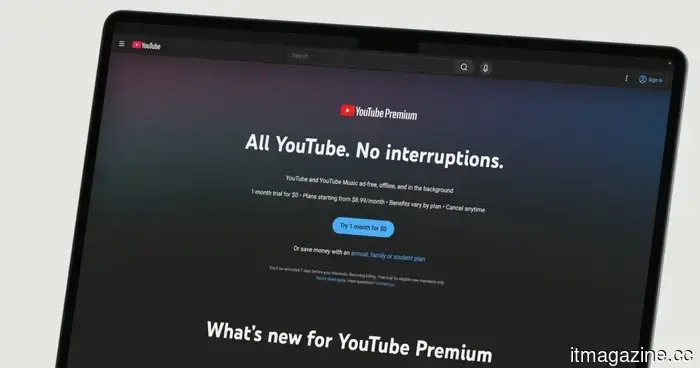 YouTube Premium has just increased its prices, and there was no prior notice.
YouTube Premium prices are increasing for all plans. The individual plan will rise from $13.99 to $15.99, and the Student and Lite plans are also affected.
YouTube Premium has just increased its prices, and there was no prior notice.
YouTube Premium prices are increasing for all plans. The individual plan will rise from $13.99 to $15.99, and the Student and Lite plans are also affected.
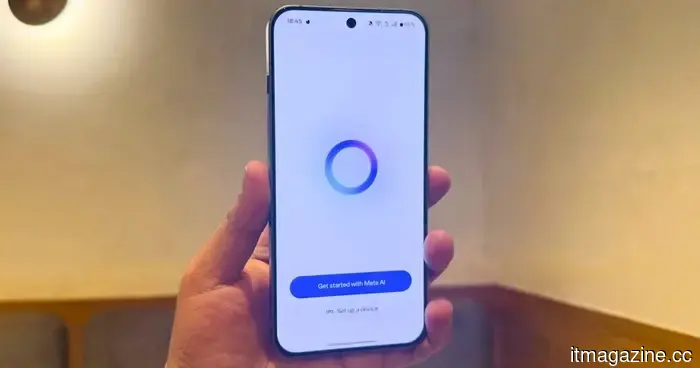 It's best not to rely on Meta's new Muse Spark AI for health-related guidance.
Meta's latest Muse Spark AI prompts users to share their health data, yet it still generates unreliable and possibly harmful recommendations.
It's best not to rely on Meta's new Muse Spark AI for health-related guidance.
Meta's latest Muse Spark AI prompts users to share their health data, yet it still generates unreliable and possibly harmful recommendations.
 A leak from Nvidia suggests an unrestricted RAM scenario for the forthcoming N1 laptop processors.
Just too excellent to ignore.
A leak from Nvidia suggests an unrestricted RAM scenario for the forthcoming N1 laptop processors.
Just too excellent to ignore.
 AI is progressing past conversation and venturing into realms of creativity and play.
AI has not merely arrived; it has subtly integrated itself into the standard online experience. What began as a mere curiosity has rapidly evolved into a routine. In educational settings, students now compose essays using LLM tools alongside them, substituting the traditional process of taking notes, making revisions, and late-night writing marathons. Even dating apps — which have traditionally […]
AI is progressing past conversation and venturing into realms of creativity and play.
AI has not merely arrived; it has subtly integrated itself into the standard online experience. What began as a mere curiosity has rapidly evolved into a routine. In educational settings, students now compose essays using LLM tools alongside them, substituting the traditional process of taking notes, making revisions, and late-night writing marathons. Even dating apps — which have traditionally […]
.jpg) Three underrated movies on Netflix to check out this weekend (April 10-12).
Seeking something unique for this weekend? These three overlooked Netflix films go beyond the typical suggestions, offering genuine emotion, dark narratives, and surprising humor that merit a place on your watchlist.
Three underrated movies on Netflix to check out this weekend (April 10-12).
Seeking something unique for this weekend? These three overlooked Netflix films go beyond the typical suggestions, offering genuine emotion, dark narratives, and surprising humor that merit a place on your watchlist.
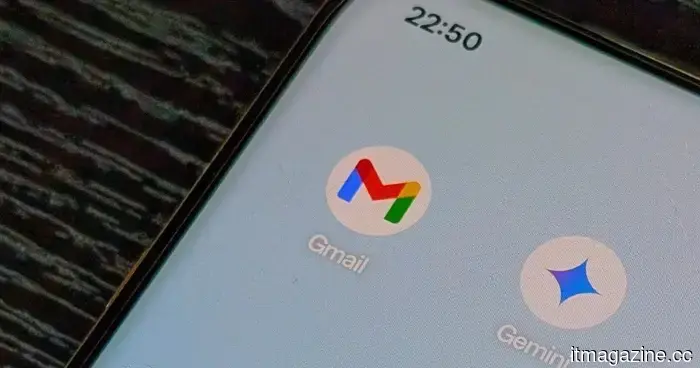 Gmail on mobile now features end-to-end encryption to protect your emails from prying eyes.
Google's Gmail application on Android and iOS now offers end-to-end encryption for Workspace Enterprise Plus users, marking a substantial enhancement in mobile privacy by ensuring that encrypted email content is not stored on Google's servers.
Gmail on mobile now features end-to-end encryption to protect your emails from prying eyes.
Google's Gmail application on Android and iOS now offers end-to-end encryption for Workspace Enterprise Plus users, marking a substantial enhancement in mobile privacy by ensuring that encrypted email content is not stored on Google's servers.
Gmail on mobile has introduced end-to-end encryption to protect your emails from prying eyes.
Google's Gmail application for Android and iOS now offers end-to-end encryption for users of Workspace Enterprise Plus, marking an important enhancement in mobile privacy that prevents encrypted email content from being stored on Google's servers.