
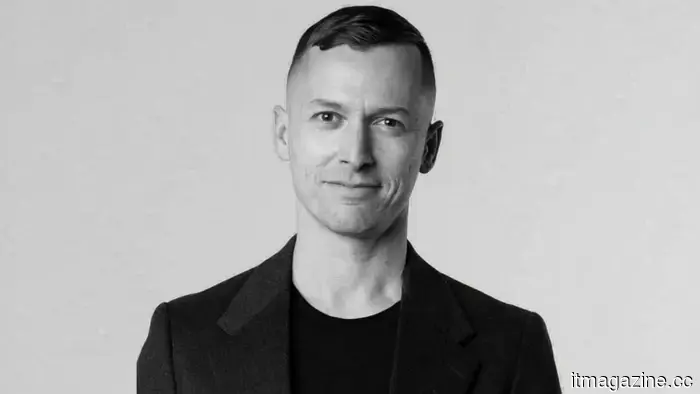
HexemBio secures $10.4 million for its stem cell rejuvenation treatment.
The Berkeley-based biotech firm is supporting an approach published in Nature that mimics the embryonic environment where blood stem cells are initially formed, as opposed to chemically or genetically reprogramming older cells. Its primary program aims at bone marrow transplants for blood cancers and has been granted FDA Orphan Drug Designation.
HexemBio has officially launched, raising $10.4 million in a seed round led by Draper Associates, with contributions from SOSV, Seraphim, and other investors. The company, located in Berkeley and New York, is developing what it claims to be the first blood stem cell rejuvenation therapy, based on a platform called the Synthetic Human Yolk Sac.
Instead of editing or chemically reprogramming aged hematopoietic stem cells, the technology involves temporarily placing a patient’s own cells into a simulated version of the developmental environment where blood stem cells first arise in the embryo, subsequently returning them via standard intravenous infusion.
Hematopoietic stem cells are located deep within the bone marrow and are responsible for the production of all blood and immune cells in the human body. Their decline with age is associated with weakened immunity, chronic inflammation, and a greater vulnerability to ailments such as blood cancers and neurodegeneration.
Previous strategies to reverse this decline have generally employed transcription-factor reprogramming, cytokine therapies, or gene editing, which can lead to unstable cell states or pose safety risks that HexemBio claims its method avoids.
The Synthetic Human Yolk Sac replicates the microenvironment that produces the body’s initial blood stem cells during early embryonic development. Foundational research underpinning the platform was published in Nature in February 2024 and was led by Mo Ebrahimkhani at the University of Pittsburgh, with Samira Kiani and Joshua Hislop among the co-authors. All three are now co-founders of HexemBio.
The company's primary clinical program focuses on bone marrow transplants for patients with blood cancers such as acute myeloid leukemia and acute lymphoblastic leukemia. HexemBio received FDA Orphan Drug Designation for this indication in July 2025 and completed its FDA Pre-IND meeting in January 2026, with first-in-human trials planned for 2027.
The regulatory strategy emphasizes bone marrow transplant outcomes, as aging itself is not presently acknowledged as a regulatory indication, which has influenced how several biotechs focused on longevity have structured their early clinical programs.
The founding team has connections to MIT, UC Berkeley, Harvard, and Y Combinator. Gabriel Levesque Tremblay, a former YC founder and UC Berkeley postdoctoral researcher, is the CEO. Samira Kiani, a recipient of the Presidential Early Career Award who trained at MIT, serves as CTO. Mo Ebrahimkhani, the creator of the foundational technology and a pioneer in synthetic developmental biology, is the CSO, while Joshua Hislop, whose doctoral research contributed directly to the Nature publication, leads the company's AI platform, which features proprietary tools such as YolkGPT and YolkScore. Samet Yildirim, a former YC founder with drug development experience from Boehringer Ingelheim, acts as the chief business officer.
The advisory board includes Robert S. Langer, Institute Professor at MIT and a co-founder of Moderna, who described the approach as “fundamentally different from transcription-factor reprogramming or gene editing” and stated that the early data were “extremely compelling.”
Additional advisors include Peter Barton Hutt, former chief counsel of the FDA and current board member of Moderna; Joanne Kurtzberg of Duke University, a leading bone marrow transplant clinician in the US; David Harris, founder of the first public cord blood bank in the United States; Felipe Sierra, former director of the Division of Aging Biology at the NIH; Jens Nielsen, CEO of the BioInnovation Institute; and George Church, professor of genetics at Harvard Medical School and a co-founder of Colossal Biosciences.
The seed funding will be allocated to complete IND-enabling studies and GMP manufacturing in preparation for the trial targeted for 2027.
Other articles
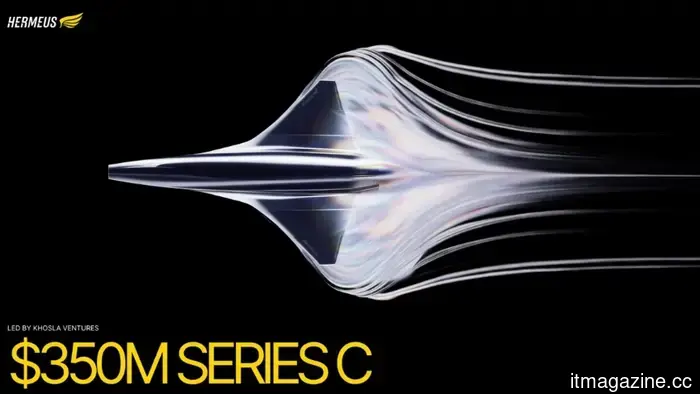 Hermeus has secured $350 million, achieving a valuation of $1 billion.
Hermeus has secured $350 million at a valuation of $1 billion to further develop autonomous hypersonic aircraft. In March, a demonstrator the size of an F-16 completed a test flight.
Hermeus has secured $350 million, achieving a valuation of $1 billion.
Hermeus has secured $350 million at a valuation of $1 billion to further develop autonomous hypersonic aircraft. In March, a demonstrator the size of an F-16 completed a test flight.
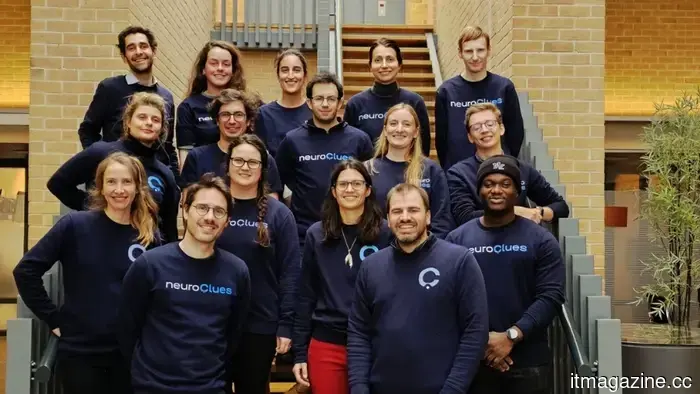 neuroClues has secured €10 million to enhance Parkinson’s diagnosis.
neuroClues has secured €10 million in a Series A funding round to commercialize its CE-marked eye-tracking technology aimed at aiding the early diagnosis of Parkinson’s and Alzheimer’s diseases.
neuroClues has secured €10 million to enhance Parkinson’s diagnosis.
neuroClues has secured €10 million in a Series A funding round to commercialize its CE-marked eye-tracking technology aimed at aiding the early diagnosis of Parkinson’s and Alzheimer’s diseases.
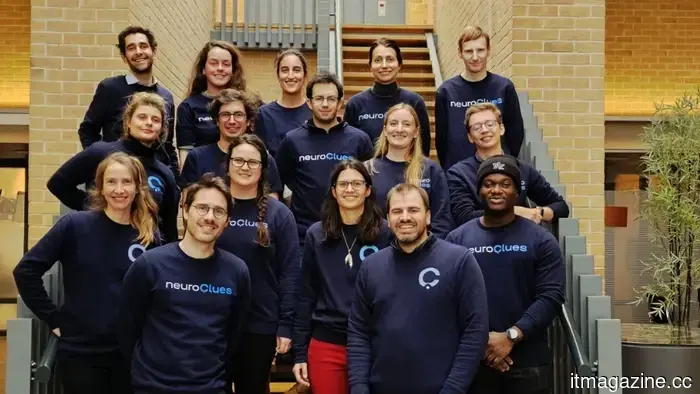 neuroClues has secured €10M to aid in the diagnosis of Parkinson's disease.
neuroClues has secured €10 million in a Series A funding round to commercialize its CE-marked eye-tracking device aimed at aiding early diagnosis of Parkinson’s and Alzheimer’s diseases.
neuroClues has secured €10M to aid in the diagnosis of Parkinson's disease.
neuroClues has secured €10 million in a Series A funding round to commercialize its CE-marked eye-tracking device aimed at aiding early diagnosis of Parkinson’s and Alzheimer’s diseases.
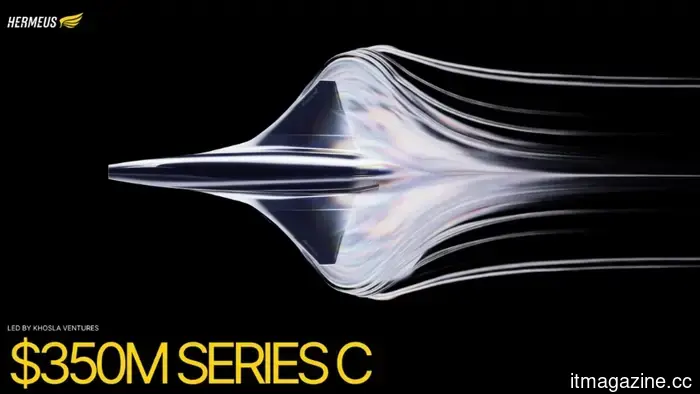 Hermeus has secured $350 million, achieving a valuation of $1 billion.
Hermeus has secured $350 million at a valuation of $1 billion to advance the development of autonomous hypersonic aircraft. A demonstrator comparable in size to an F-16 took flight in March.
Hermeus has secured $350 million, achieving a valuation of $1 billion.
Hermeus has secured $350 million at a valuation of $1 billion to advance the development of autonomous hypersonic aircraft. A demonstrator comparable in size to an F-16 took flight in March.
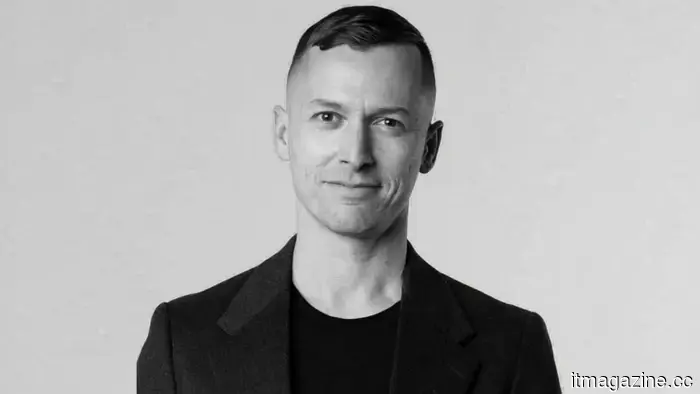 HexemBio secures $10.4 million for a stem cell rejuvenation treatment.
HexemBio has initiated operations with a seed funding round spearheaded by Draper Associates to further develop a blood stem cell rejuvenation treatment supported by Robert Langer.
HexemBio secures $10.4 million for a stem cell rejuvenation treatment.
HexemBio has initiated operations with a seed funding round spearheaded by Draper Associates to further develop a blood stem cell rejuvenation treatment supported by Robert Langer.
HexemBio secures $10.4 million for its stem cell rejuvenation treatment.
HexemBio has been established with a seed funding round spearheaded by Draper Associates to develop a blood stem cell rejuvenation treatment supported by Robert Langer.