
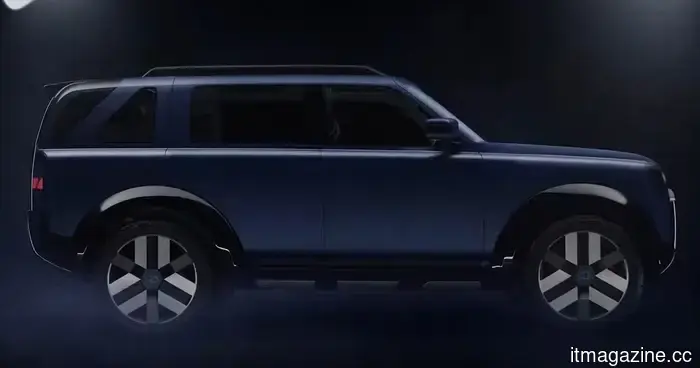
Land Rover is reintroducing the Freelander as an electric vehicle brand, with plans for six models.
Land Rover is resurrecting the Freelander name, but it will now encompass a diverse lineup rather than being limited to a single SUV. The new Freelander EV series will function as its own brand, with plans for six models to be introduced over the next five years, starting with the first models arriving in China later this year.
This initiative comes as part of its partnership with Chery and represents a more aggressive entry into the premium electric vehicle market. Instead of relying on traditional models, Land Rover is creating a comprehensive range tailored for quick deployment and modern consumer expectations.
China is at the forefront of this endeavor, with a new headquarters established in Shanghai and factory enhancements already in progress to increase production capacity. The original Freelander once dominated the SUV market in Europe, but this new variant is being reimagined as an international electric contender aimed at a different target audience.
A roadmap for six EVs within a short timeframe
The rollout strategy sets an ambitious timeline, with six vehicles planned over five years, creating pressure to execute flawlessly from the initial launch.
The first model is anticipated in the latter half of this year in China. To meet this demand, the joint venture is investing approximately 3 billion yuan into upgrades at its Changshu facility to enhance production capabilities.
This move is not a cautious approach but rather a significant push into a competitive EV landscape where swift execution is as crucial as brand heritage. The company is also revising its sales model, transitioning dealers to a simplified franchise setup that emphasizes service. More than 60 locations have been secured, with a goal of reaching 100 by 2026.
Technical framework indicates serious commitment
The new lineup leans on established partnerships for fundamental technology. The initial vehicle will feature Huawei’s Qiankun driving system and a sophisticated 896-channel LiDAR system, firmly placing it within the advanced driver assistance category.
Battery performance is another critical component, with CATL providing a pack capable of 6C ultra-fast charging, which should lead to reduced charging durations if real-world performance aligns with expectations.
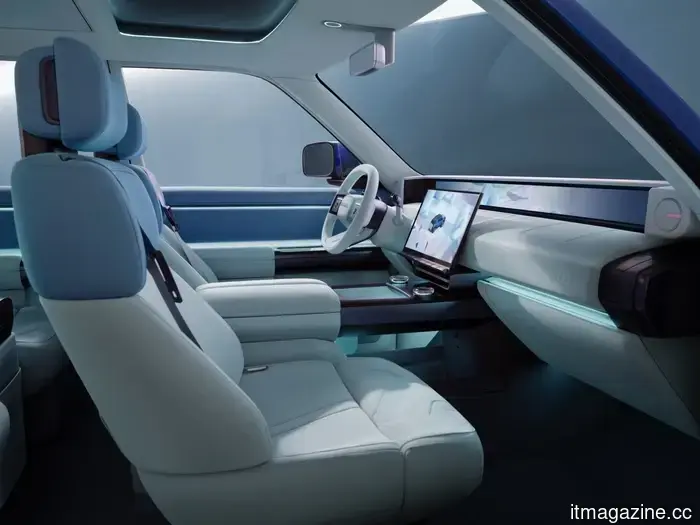
Internally, the vehicle systems will be powered by Qualcomm’s Snapdragon 8397 chip, marking its introduction in this series. This indicates a clear strategy to incorporate reliable technologies rather than develop everything independently.
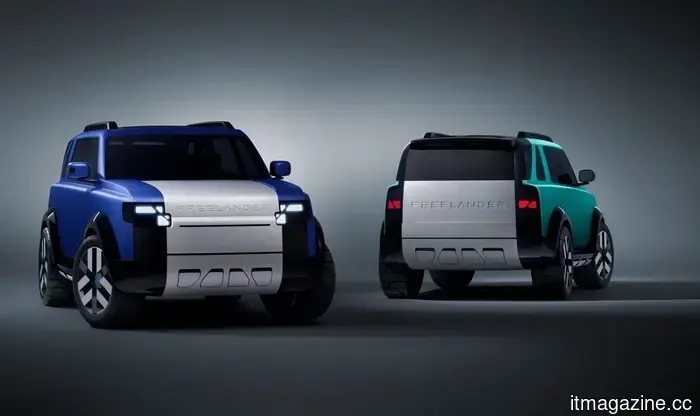
The Concept 97 preview retains a boxy SUV design reminiscent of the original while utilizing a new iMax platform. This structure accommodates both fully electric and range-extended configurations, offering the brand flexibility for various applications.
What lies ahead
Successful execution will determine the brand’s trajectory. The initial launch later this year will be critical in assessing whether the brand can fulfill its commitments, particularly with cutting-edge hardware entering a highly competitive market segment.
Additionally, there is a significant evolution taking place. By situating operations in Shanghai and forging local partnerships, the strategy is closely aligned with China’s EV ecosystem, moving away from older global frameworks.
In the long run, ambitions extend beyond China. Leadership has indicated intentions for global competition over the next five to ten years, raising expectations for quality, dependability, and brand coherence.
For now, the next steps are clear. Closely monitor the first release, as it will set the tone for everything that follows.
Other articles
 WhatsApp has alerted 200 users who downloaded a counterfeit app created by the Italian spyware developer SIO.
WhatsApp has alerted approximately 200 users in Italy that they have downloaded a counterfeit version of the application that includes spyware developed by SIO. The company is intending to take legal measures against the surveillance company.
WhatsApp has alerted 200 users who downloaded a counterfeit app created by the Italian spyware developer SIO.
WhatsApp has alerted approximately 200 users in Italy that they have downloaded a counterfeit version of the application that includes spyware developed by SIO. The company is intending to take legal measures against the surveillance company.
 Why probability, rather than averages, is transforming AI decision-making.
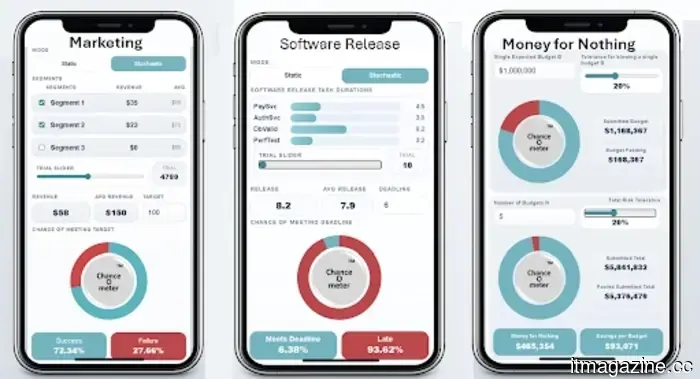
AI-driven tools such as ChanceOmeters assist organizations in assessing uncertainty, simulating outcomes, and enhancing decision-making beyond mere averages.
Why probability, rather than averages, is transforming AI decision-making.
AI-driven tools such as ChanceOmeters assist organizations in assessing uncertainty, simulating outcomes, and enhancing decision-making beyond mere averages.
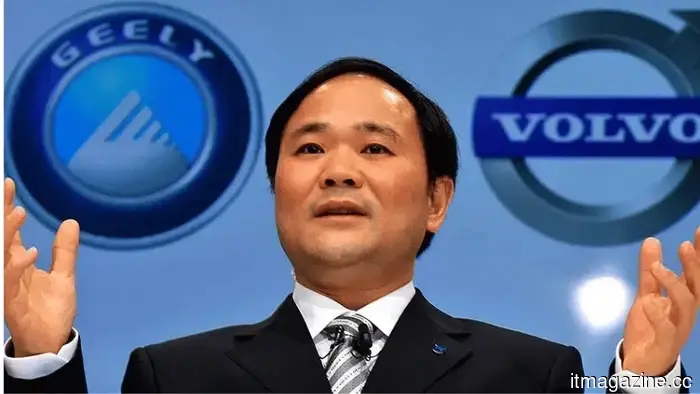 Geely will cease the construction of new factories and utilize Volvo's production facilities instead.
Geely's chairman, Li Shufu, has announced that the company will cease the construction of new factories and will rely on Volvo's existing facilities, along with collaborations with Ford and Renault, to produce vehicles internationally.
Geely will cease the construction of new factories and utilize Volvo's production facilities instead.
Geely's chairman, Li Shufu, has announced that the company will cease the construction of new factories and will rely on Volvo's existing facilities, along with collaborations with Ford and Renault, to produce vehicles internationally.
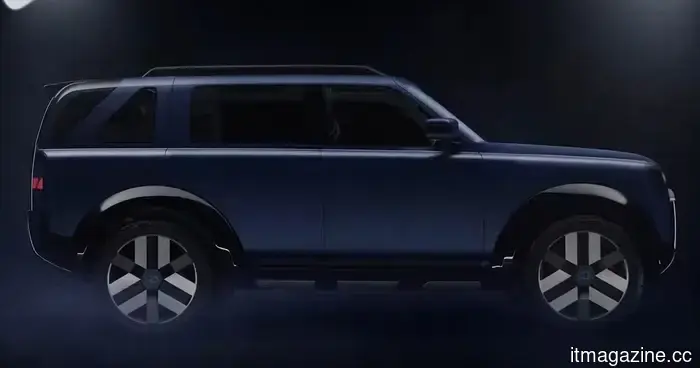 Land Rover reintroduces the Freelander as an electric vehicle brand with plans for six models.
Land Rover is bringing back Freelander as an independent electric vehicle brand, with plans for six models. The inaugural model will debut this year in China, marking a quick and technology-focused entry into the premium electric car market.
Land Rover reintroduces the Freelander as an electric vehicle brand with plans for six models.
Land Rover is bringing back Freelander as an independent electric vehicle brand, with plans for six models. The inaugural model will debut this year in China, marking a quick and technology-focused entry into the premium electric car market.
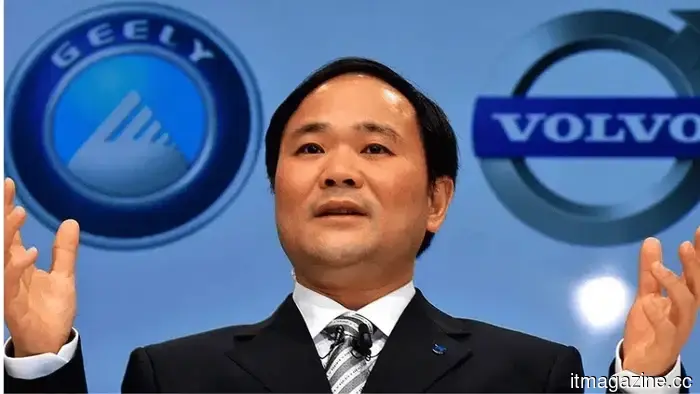 Geely will cease the construction of new factories and will utilize Volvo's manufacturing facilities instead.
Geely's chairman, Li Shufu, has announced that the company will cease the construction of new factories, opting instead to utilize Volvo's existing facilities and collaborate with Ford and Renault for overseas production.
Geely will cease the construction of new factories and will utilize Volvo's manufacturing facilities instead.
Geely's chairman, Li Shufu, has announced that the company will cease the construction of new factories, opting instead to utilize Volvo's existing facilities and collaborate with Ford and Renault for overseas production.
 AI faces a unique type of bias issue, yet it is a commonly recurring problem.
Recent studies indicate that AI bias extends beyond just algorithms. Women are utilizing AI technology less frequently, receiving diminished support, and are lagging in its adoption within the workplace.
AI faces a unique type of bias issue, yet it is a commonly recurring problem.
Recent studies indicate that AI bias extends beyond just algorithms. Women are utilizing AI technology less frequently, receiving diminished support, and are lagging in its adoption within the workplace.
Land Rover is reintroducing the Freelander as an electric vehicle brand, with plans for six models.
Land Rover is bringing back Freelander as an independent electric vehicle brand, with six models in the pipeline. The initial model will be introduced this year in China, marking a swift and technology-driven entry into the premium electric market.