
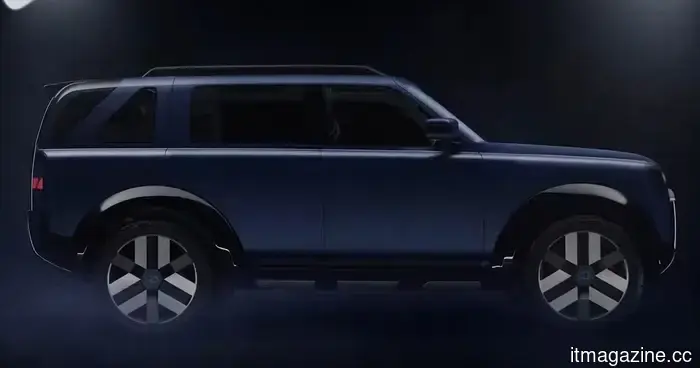
Land Rover reintroduces the Freelander as an electric vehicle brand with plans for six models.
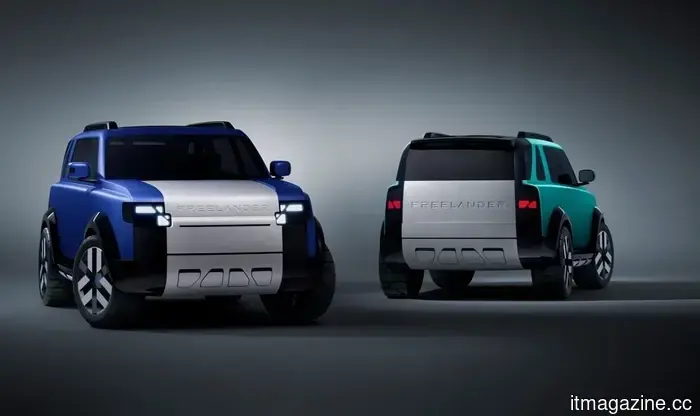
Land Rover is reviving the Freelander name, but it will no longer represent just a single SUV. The new Freelander EV lineup will function as its own brand, with plans for six models over the next five years, the first of which is set to launch in China later this year.
This initiative comes through a joint venture with Chery and signifies a stronger move into the premium electric market. Rather than relying on legacy models, the company is developing a full suite intended for quick implementation and contemporary demands.
China is at the forefront of this effort, with a new headquarters in Shanghai and factory enhancements already in progress to facilitate larger production. The original Freelander was a leader in Europe’s SUV market, but this new iteration aims to be a global electric competitor targeting a different audience.
A tight schedule for six EVs
The rollout plan is ambitious, with six vehicles set to debut within five years, putting pressure on execution from the initial launch.
Freelander
The first model is anticipated in the latter half of this year in China. To support this effort, the joint venture is committing around 3 billion yuan to improve its Changshu plant, enhancing production lines to meet the expected demand.
This approach is not conservative; it represents a vigorous entry into an already crowded EV market where speed is as critical as brand reputation. The company is also reformulating its sales strategy, transitioning dealers to a streamlined franchise model that prioritizes service. Over 60 locations have already been established, with a goal of reaching 100 by 2026.
Technological advancements indicate serious commitment
The new lineup heavily relies on established partners for essential technologies. The initial vehicle will feature Huawei's Qiankun driving system along with an 896-channel LiDAR setup, firmly placing it in the realm of advanced driver assistance systems.
Battery capabilities are another significant aspect, with CATL providing a battery pack that supports 6C ultra-fast charging, which should lead to shorter charging times if it performs well in real-world conditions.
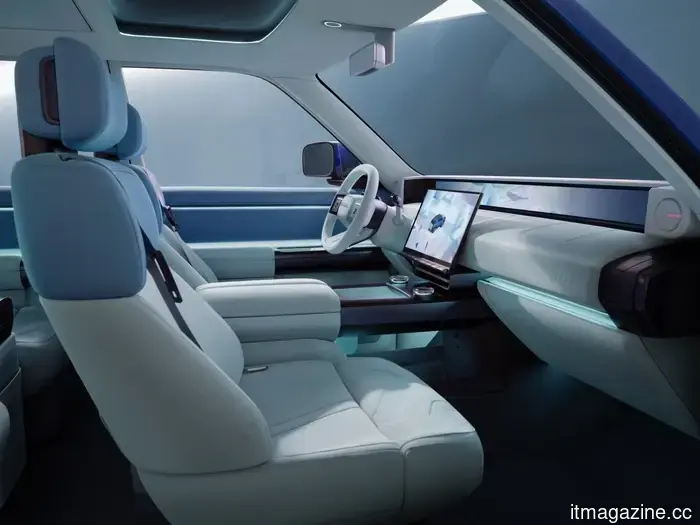
Inside, Qualcomm's Snapdragon 8397 chip will power the vehicle systems, marking its introduction into this lineup. This strategy indicates a clear choice to integrate proven technology rather than develop everything from the ground up.
The Concept 97 maintains a boxy SUV silhouette reminiscent of the original while utilizing a new iMax platform. This architecture enables both fully electric and range-extended options, giving the brand versatility across various applications.
What to monitor moving forward
The success of this initiative will depend on execution. The upcoming launch later this year will reveal whether the brand can meet its commitments, particularly with advanced technology entering a fiercely competitive market.
Additionally, there is a broader trend occurring. By centering operations in Shanghai and fostering local partnerships, this strategy aligns well with China's EV ecosystem as opposed to older global frameworks.
In the long term, ambitions extend beyond China. Leadership has indicated a focus on global competition over the next five to ten years, raising expectations for quality, reliability, and brand image.
For now, the next step is clear. Pay close attention to the first release, as it will establish the foundation for what follows.
Other articles
 Apple executed an unexpected move by reducing the price of the Studio Display XDR.
Pricing rationality has joined the conversation.
Apple executed an unexpected move by reducing the price of the Studio Display XDR.
Pricing rationality has joined the conversation.
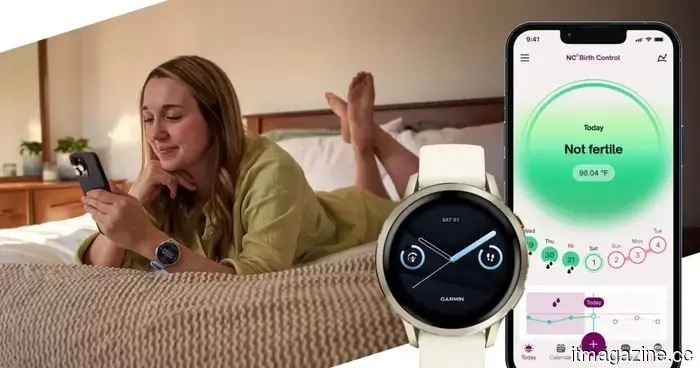 Garmin wearables can also assist you with birth control.
Each day in technology appears to surpass the previous one. Just when you believe you've encountered everything, a new development changes the entire dialogue. I came across news regarding Garmin collaborating with Natural Cycles, and I took a moment to think. Birth control, driven by your smartwatch? That's not something you anticipate reading in […]
Garmin wearables can also assist you with birth control.
Each day in technology appears to surpass the previous one. Just when you believe you've encountered everything, a new development changes the entire dialogue. I came across news regarding Garmin collaborating with Natural Cycles, and I took a moment to think. Birth control, driven by your smartwatch? That's not something you anticipate reading in […]
 Android 17 is significantly enhancing location privacy.
I appreciate the offer, but I don’t require a shadow!
Android 17 is significantly enhancing location privacy.
I appreciate the offer, but I don’t require a shadow!
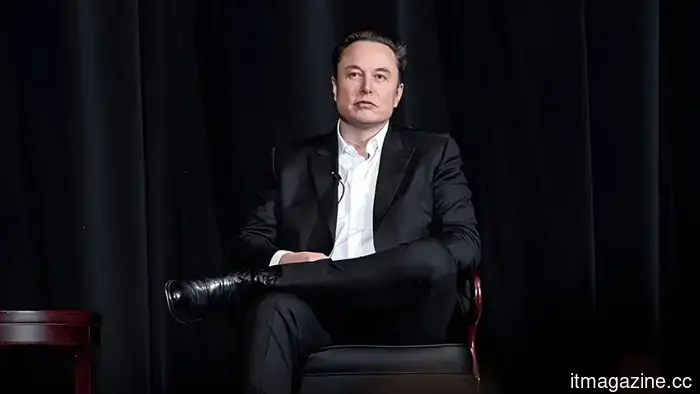 SpaceX submits application for unprecedented $75 billion IPO amid rising conflicts of interest.
SpaceX has submitted a confidential application for an IPO that has the potential to generate $75 billion and value the company at $1.75 trillion, which would make Musk the world's first trillionaire. The connections with Trump, NASA, and the defense sector are extensive.
SpaceX submits application for unprecedented $75 billion IPO amid rising conflicts of interest.
SpaceX has submitted a confidential application for an IPO that has the potential to generate $75 billion and value the company at $1.75 trillion, which would make Musk the world's first trillionaire. The connections with Trump, NASA, and the defense sector are extensive.
 Gmail has finally enabled the option to change your outdated usernames.
Google is finally implementing a feature that Gmail users have requested for years: the ability to change the actual username in their Gmail address. This is no longer just a preliminary rollout, as Google has announced that the feature is now accessible to all Google Account users in the US. However, it remains a limited release, […]
Gmail has finally enabled the option to change your outdated usernames.
Google is finally implementing a feature that Gmail users have requested for years: the ability to change the actual username in their Gmail address. This is no longer just a preliminary rollout, as Google has announced that the feature is now accessible to all Google Account users in the US. However, it remains a limited release, […]
 Stay informed quicker with Google Home's latest feature, Gemini Live.
The Gemini Live upgrade for Google Home introduces interactive news that can be explored through voice commands, transforming brief updates into more extensive discussions that adjust to your inquiries in real-time.
Stay informed quicker with Google Home's latest feature, Gemini Live.
The Gemini Live upgrade for Google Home introduces interactive news that can be explored through voice commands, transforming brief updates into more extensive discussions that adjust to your inquiries in real-time.
Land Rover reintroduces the Freelander as an electric vehicle brand with plans for six models.
Land Rover is bringing back Freelander as an independent electric vehicle brand, with plans for six models. The inaugural model will debut this year in China, marking a quick and technology-focused entry into the premium electric car market.