
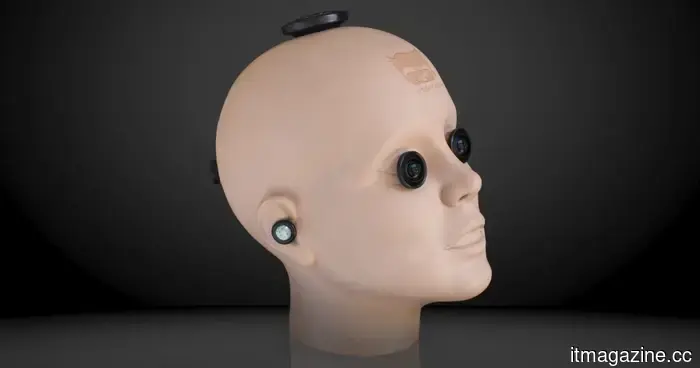
Following face recognition and fingerprint scanning, skull vibrations might become your next method of authentication.
If you thought personalizing the way you unlock your devices couldn't get more intimate, think again—your skull might have something to say about it. It all began with passwords, progressed to PINs, then fingerprints, and ultimately face ID. Now, researchers are examining the possibility of confirming your identity through the unique vibrations produced by your body. A team headed by Yingying Chen at Rutgers University has developed a system known as VitalID. This system detects the minute vibrations generated by your breathing and heartbeat, which travel through your skull in distinct patterns, as unique as your fingerprints. Yes, your skull now possesses its own signature. Who knew?
Your body has been authenticating you all along
Your body is never actually at rest. Even when you are seated motionless, your heartbeat and respiration create subtle waves that travel up through your neck and into your head. Due to its unique shape, your skull slightly modifies those vibrations. It’s akin to having a highly personal biometric identifier that you were unaware of.
Moreover, unlike typing out passwords, this system operates seamlessly in the background. All you need to do is continue to exist—the headset takes care of everything else.
XR is in its early stages, and security must keep pace
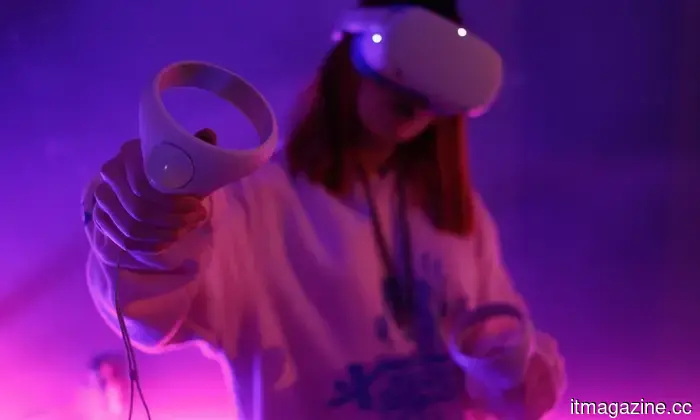
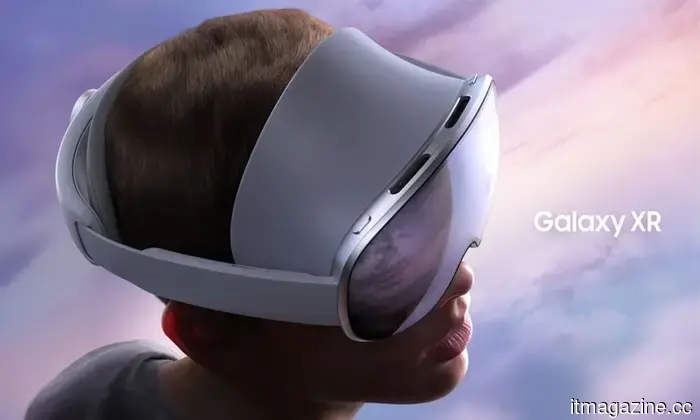
This is significant as we gradually enter a world centered around extended reality (XR), encompassing virtual, augmented, and mixed reality. It’s not limited to gaming anymore; it is creeping into daily life tasks such as work meetings, shopping, and even medical appointments. Hence, as your headset begins to store sensitive information like banking details, medical records, and work files, robust security measures become essential.
Currently, accessing these systems poses a considerable challenge. This is where VitalID employs your body as the key, continuously verifying your identity in the background without requiring you to pause and log in every few minutes.
It’s not flawless, but it's impressively close
During testing, the system demonstrated remarkable performance: achieving over 95% accuracy in identifying the correct user and more than 98% effectiveness in blocking impostors. That is certainly remarkable for a method that hinges on the natural rhythms of life. It’s worth noting that while you might be able to simulate a smile or fool a camera with a photograph, replicating the specific biomechanical characteristics of someone else's skull is an entirely different challenge.
Admittedly, the notion of your headset always “listening” to your body may raise some concerns. However, from a purely technological perspective, it’s rather ingenious. The software simply utilizes signals that your body is already emitting. Thus, it’s possible that the future of logging in may transform from an action you perform into a part of who you are. If that seems both slightly intrusive and incredibly fascinating, welcome to the future.
Other articles
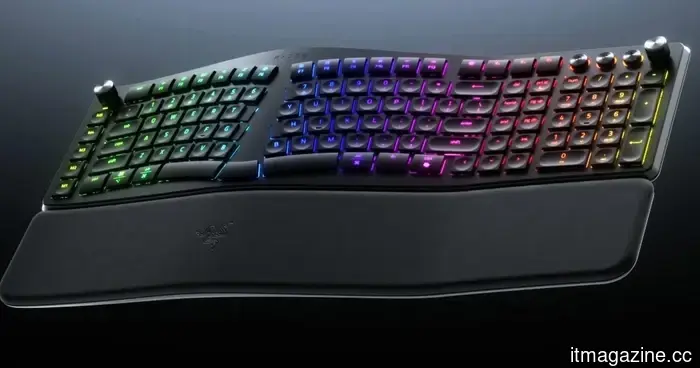 Razer has created a split ergonomic keyboard that, interestingly, features a dedicated AI button.
Razer has finally created a keyboard that cares for your wrists, and has managed to include a dedicated AI button. Here’s what the Pro Type Ergo offers for your workspace.
Razer has created a split ergonomic keyboard that, interestingly, features a dedicated AI button.
Razer has finally created a keyboard that cares for your wrists, and has managed to include a dedicated AI button. Here’s what the Pro Type Ergo offers for your workspace.
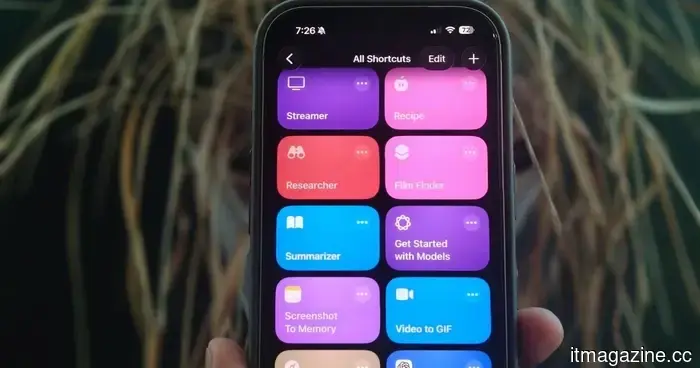 iOS 27 and AI might resolve the iPhone's biggest frustration, the ineffective shortcuts app.
It seems that my prayers have finally paid off.
iOS 27 and AI might resolve the iPhone's biggest frustration, the ineffective shortcuts app.
It seems that my prayers have finally paid off.
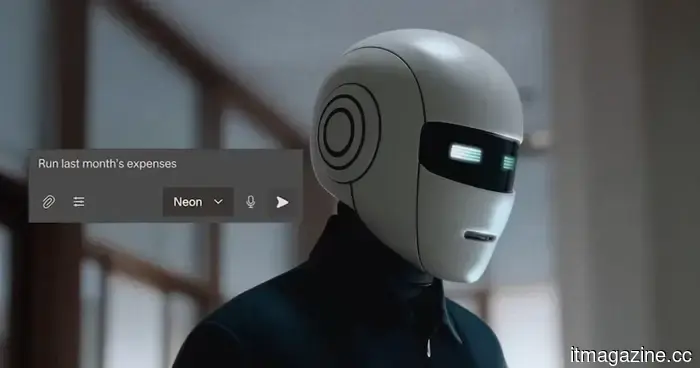 Opera's newest update transforms it into an independent browsing agent for ChatGPT and Claude.
Opera's latest MCP Connector transforms Neon into an independent browsing agent, enabling AI tools such as ChatGPT and Claude to directly manage your browser and accomplish tasks on various websites.
Opera's newest update transforms it into an independent browsing agent for ChatGPT and Claude.
Opera's latest MCP Connector transforms Neon into an independent browsing agent, enabling AI tools such as ChatGPT and Claude to directly manage your browser and accomplish tasks on various websites.
 How to update your old Gmail username?
Thank you, Google, for finally introducing this feature.
How to update your old Gmail username?
Thank you, Google, for finally introducing this feature.
 Proton has recently introduced a privacy-centered alternative to Google Workspace and Microsoft 365.
Fed up with productivity tools that use your data as a form of profit? Proton Workspace offers a comprehensive package including encrypted email and video calls, all protected by Swiss privacy regulations, and it's more affordable than you might think.
Proton has recently introduced a privacy-centered alternative to Google Workspace and Microsoft 365.
Fed up with productivity tools that use your data as a form of profit? Proton Workspace offers a comprehensive package including encrypted email and video calls, all protected by Swiss privacy regulations, and it's more affordable than you might think.
-integrate-with-3rd-party-apps?.jpg) Is Intuit Enterprise Suite (IES) compatible with third-party applications?
Intuit Enterprise Suite (IES) connects with third-party applications via APIs and the larger QuickBooks ecosystem. These integrations enable businesses to unify accounting with tools like project management, payroll, payments, and marketing platforms. By connecting systems, IES can minimize manual data entry, enhance data consistency, and assist teams in managing financial information more effectively across […]
Is Intuit Enterprise Suite (IES) compatible with third-party applications?
Intuit Enterprise Suite (IES) connects with third-party applications via APIs and the larger QuickBooks ecosystem. These integrations enable businesses to unify accounting with tools like project management, payroll, payments, and marketing platforms. By connecting systems, IES can minimize manual data entry, enhance data consistency, and assist teams in managing financial information more effectively across […]
Following face recognition and fingerprint scanning, skull vibrations might become your next method of authentication.
Indeed, that’s precisely what it states.