
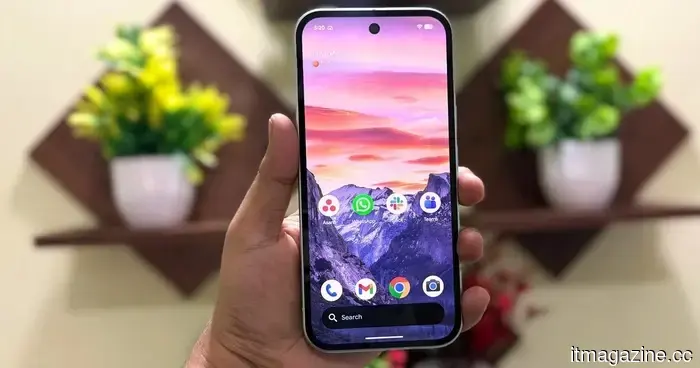
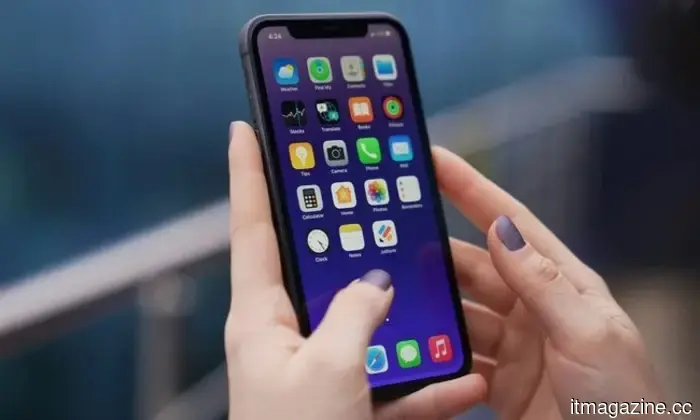
It's not only the amount of time spent on the screen, but also the frequency with which you reach for your phone that's detrimental to your mind.
Why "just checking" your phone is affecting you negatively.
For years, excessive screen time has been identified as the main source of stress associated with smartphones. However, recent research indicates that our concerns may be misplaced.
A study conducted by Aalto University discovered that frequent, fragmented phone usage is the leading cause of information overload, rather than the total amount of screen time.
Thus, it’s not the duration of use that matters most, but rather the frequency of interruptions.
What’s the issue with checking your phone?
The study monitored nearly 300 participants over several months, combining usage data with self-reported mental fatigue. The noteworthy finding was not the heavy usage itself, but rather that individuals who frequently checked their phones for short periods experienced higher levels of overload.
This behavior of quick checks, switching between apps, and brief interactions leads to a pattern of constant interruptions, proving to be more mentally taxing than longer, uninterrupted sessions.
Why this impacts you more than prolonged usage
The central concern here is attention.
Each time you check your phone, your brain must redirect focus, process new information, and re-engage with your previous activity. Repeating this dozens or even hundreds of times each day accumulates cognitive strain.
The study describes this as fragmented use, indicating that this pattern contributes to feelings of being overwhelmed.
This shifts our perspective on phone habits
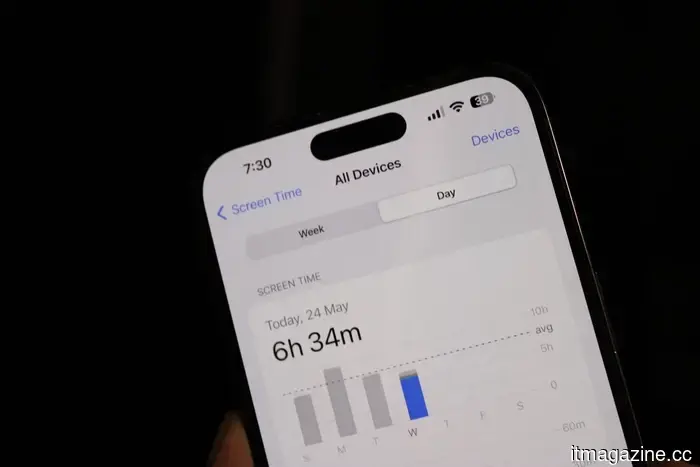
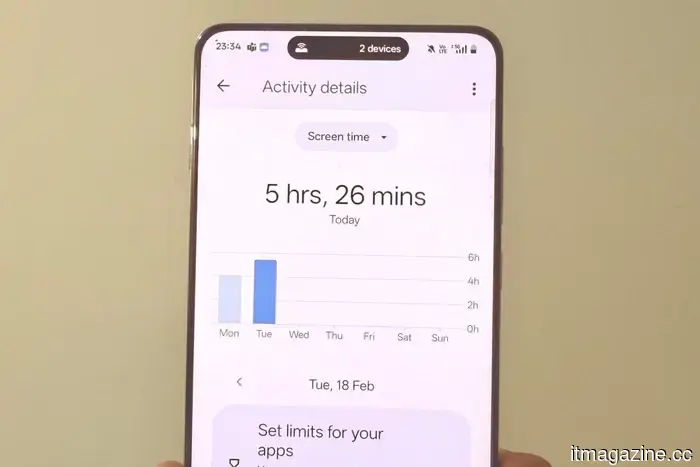
When discussing digital well-being, the typical suggestion is to limit screen time. However, this research highlights a different issue entirely. A person who spends hours watching a single video may feel less overwhelmed compared to someone who checks their phone every few minutes.

Other articles
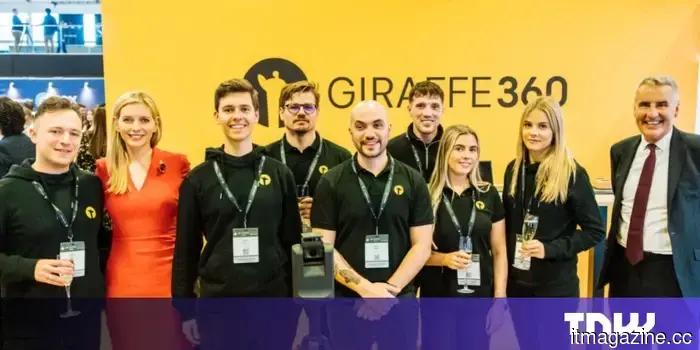 Giraffe360 secures $10 million in Series B funding to enhance its AI property media platform.
Giraffe360, the property technology company that merges a robotic camera with AI to create a complete property media kit from a single visit, has secured $10 million in Series B funding.
Giraffe360 secures $10 million in Series B funding to enhance its AI property media platform.
Giraffe360, the property technology company that merges a robotic camera with AI to create a complete property media kit from a single visit, has secured $10 million in Series B funding.
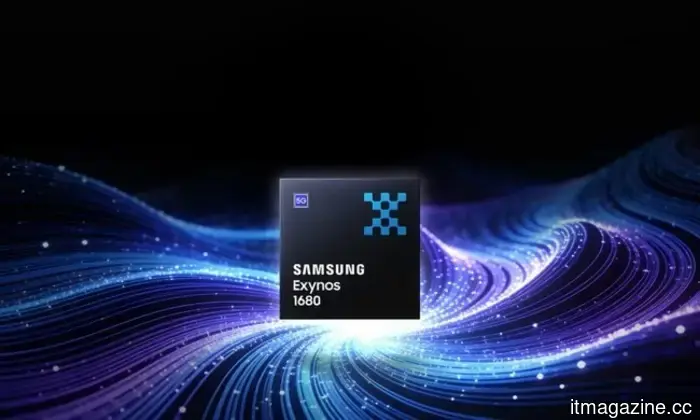
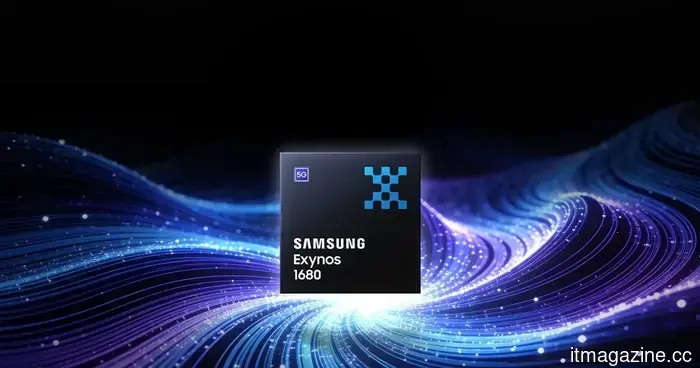 Samsung's latest Exynos 1680 offers enhanced AI and graphics capabilities for mid-range smartphones.
The Exynos 1680 is Samsung's newest mid-range processor, offering improved graphics and quicker on-device AI capabilities compared to the previous Exynos 1580.
Samsung's latest Exynos 1680 offers enhanced AI and graphics capabilities for mid-range smartphones.
The Exynos 1680 is Samsung's newest mid-range processor, offering improved graphics and quicker on-device AI capabilities compared to the previous Exynos 1580.
 Theia Insights secures $8 million to develop an alternative to traditional static industry classification systems.
Theia Insights, an AI startup based in Cambridge, has secured $8 million in funding to expand its dynamic company classification platform for financial markets, with MiddleGame Ventures leading the investment.
Theia Insights secures $8 million to develop an alternative to traditional static industry classification systems.
Theia Insights, an AI startup based in Cambridge, has secured $8 million in funding to expand its dynamic company classification platform for financial markets, with MiddleGame Ventures leading the investment.
 The first trailer for the Harry Potter TV series has been released, and it gives off a sense of a sequel that I didn't request.
HBO’s reboot of Harry Potter was intended to reinterpret the books, but the initial trailer appears to closely mirror the films, prompting a straightforward question: If nothing is different, what is the purpose of this?
The first trailer for the Harry Potter TV series has been released, and it gives off a sense of a sequel that I didn't request.
HBO’s reboot of Harry Potter was intended to reinterpret the books, but the initial trailer appears to closely mirror the films, prompting a straightforward question: If nothing is different, what is the purpose of this?
 AI has amplified one of the most harmful types of abusive content online.
In 2025, there was a notable increase in AI-generated abusive content, prompting watchdog organizations to caution that this technology is facilitating the creation and distribution of harmful material.
AI has amplified one of the most harmful types of abusive content online.
In 2025, there was a notable increase in AI-generated abusive content, prompting watchdog organizations to caution that this technology is facilitating the creation and distribution of harmful material.
 SOUS secures €4M to empower culinary entrepreneurs.
SOUS has secured €4 million to enhance its AI platform designed for marketing, discovery, and customer retention tailored to independent restaurants.
SOUS secures €4M to empower culinary entrepreneurs.
SOUS has secured €4 million to enhance its AI platform designed for marketing, discovery, and customer retention tailored to independent restaurants.
It's not only the amount of time spent on the screen, but also the frequency with which you reach for your phone that's detrimental to your mind.
According to researchers, it's not the duration of phone use that causes mental overload, but rather the frequency of checking it.