
AI-driven demand indicates an extended semiconductor upcycle lasting until 2026 and possibly beyond.
Credit: UBS
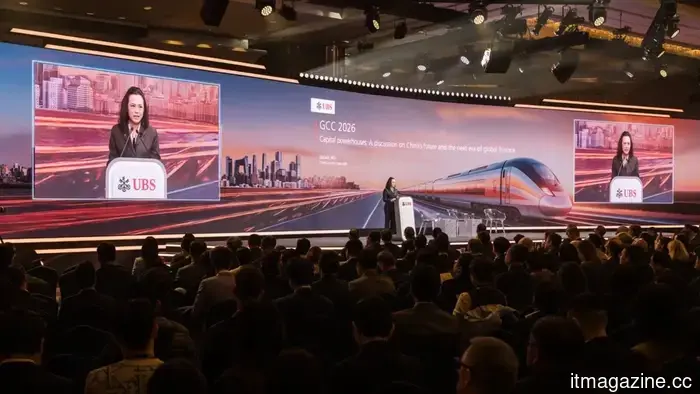
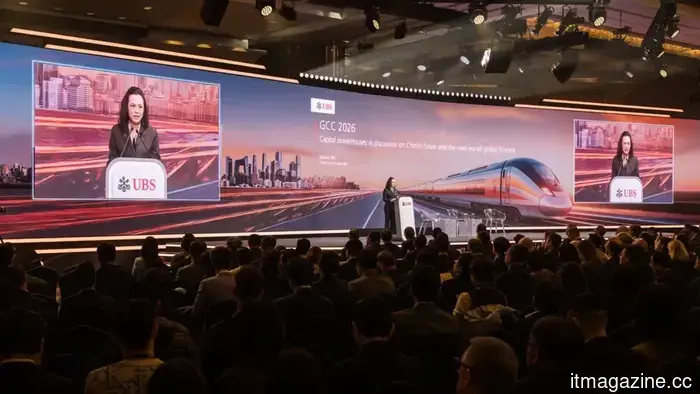
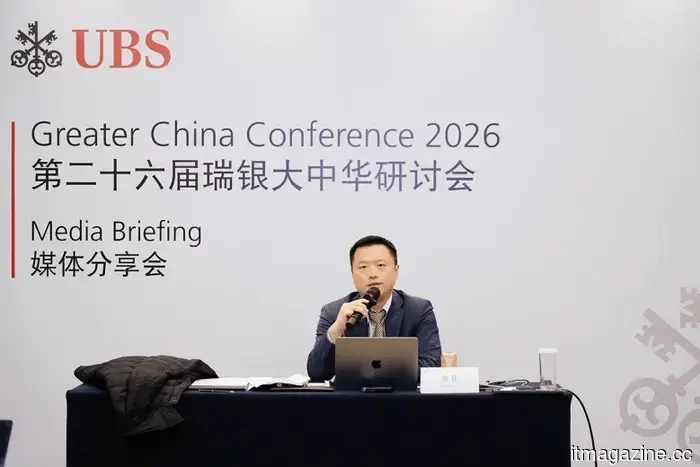
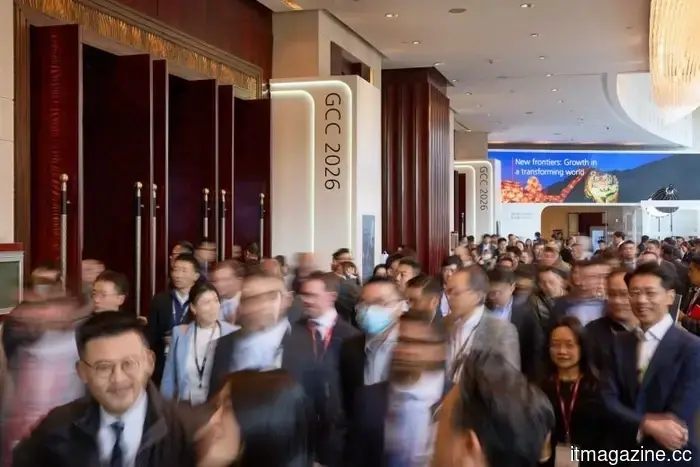
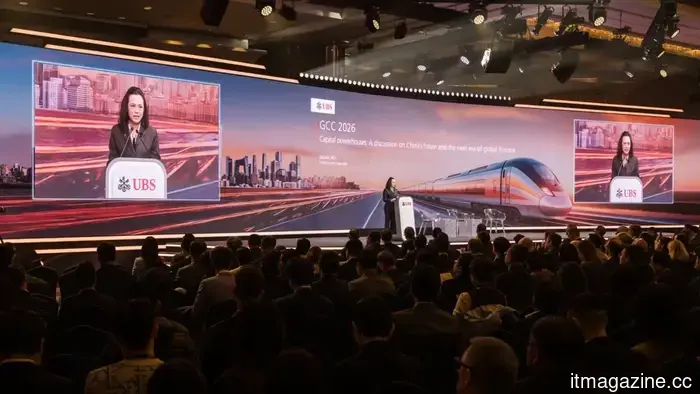
At the UBS Greater China Conference 2026 held in Shanghai on Wednesday, Jimmy Yu, a Semiconductor Analyst for UBS Securities, presented his current perspectives on the global and Chinese semiconductor industry cycles, AI-driven growth trends, and investment themes. He indicated that with the rapid advancement of AI, the global semiconductor industry is entering a new upward cycle, with anticipated growth momentum and sustainability poised to outstrip previous cycles.
Globally, Yu forecasts the semiconductor market will near $700 billion by 2025 and exceed $1 trillion in 2026, which would represent more than 40% year-on-year growth. By 2027, the market is expected to reach about $1.18 trillion, maintaining double-digit growth. Although such growth has historical precedence, Yu pointed out the key distinction this time is the structural demand shift prompted by AI.
Memory is anticipated to be a significant contributor to this cycle. Yu stated that the memory market could expand by nearly 50% by approximately 2027, primarily due to rising prices enhancing overall revenue. Even when excluding memory, the demand for logic chips, foundry services, and related areas remains robust, enabling ongoing double-digit growth between 2025 and 2027.
On the demand front, AI applications are rapidly broadening their reach beyond data centers and cloud computing into sectors like financial services, enterprise applications, and security. While some applications are in their infancy, their potential market size is becoming increasingly evident, according to Yu. Consequently, investment in AI infrastructure is likely to emerge as one of the most reliable growth catalysts for the semiconductor industry in the coming years.
Regarding industry cyclicality, Yu noted that semiconductors are inherently a cyclical sector. Based on global revenue trends, the industry may approach a near-term peak around the third quarter of this year. However, indicators such as foundry capacity utilization, capital expenditure, and corporate profitability suggest that the cycle's peak might be postponed until the third quarter of next year. Yu also highlighted that equity markets typically anticipate cyclical changes one to two quarters in advance, encouraging investors to adjust their positions ahead of fundamental shifts.
Focusing on China, Yu stated that the development of AI infrastructure is significantly enhancing domestic demand for computing chips, advanced process nodes, advanced packaging, and semiconductor equipment. Although China currently trails behind international counterparts in advanced manufacturing capabilities, there is considerable potential for improvement in localization and self-sufficiency.
In recent years, the revenue growth of Chinese semiconductor equipment firms has outpaced the industry average, with several subsegments demonstrating signs of sustained progress.
AI is transforming the demand landscape of the semiconductor industry. From cloud computing to edge applications, and from autonomous driving to robotics and smart devices, the need for high-performance, low-power chips continues to grow rapidly. Supported by both global and China-specific factors, the ongoing semiconductor upcycle is projected to persist into 2026 and possibly beyond.
Jessie Wu is a technology reporter based in Shanghai, covering consumer electronics, semiconductors, and the gaming industry for TechNode. Connect with her via e-mail: jessie.wu@technode.com. More from Jessie Wu.
Other articles
 AI-driven demand indicates a prolonged semiconductor upcycle extending into 2026 and beyond.
During the UBS Greater China Conference 2026 in Shanghai on Wednesday, Jimmy Yu, a Semiconductor Analyst for China at UBS Securities, presented his
AI-driven demand indicates a prolonged semiconductor upcycle extending into 2026 and beyond.
During the UBS Greater China Conference 2026 in Shanghai on Wednesday, Jimmy Yu, a Semiconductor Analyst for China at UBS Securities, presented his
 How Flippa Is Eliminating Language Barriers in International Deal-Making
Flippa is breaking down language obstacles in global M&A through its AI-driven multi-language Deal Room, assisting buyers and sellers in finalizing cross-border digital business transactions.
How Flippa Is Eliminating Language Barriers in International Deal-Making
Flippa is breaking down language obstacles in global M&A through its AI-driven multi-language Deal Room, assisting buyers and sellers in finalizing cross-border digital business transactions.
 From the laboratory to the living room: how CSOT transforms research into dependable displays.
With the rising prevalence of consumer electronics and smart devices, display technology is taking on a more significant role in electronic devices. Chinese
From the laboratory to the living room: how CSOT transforms research into dependable displays.
With the rising prevalence of consumer electronics and smart devices, display technology is taking on a more significant role in electronic devices. Chinese
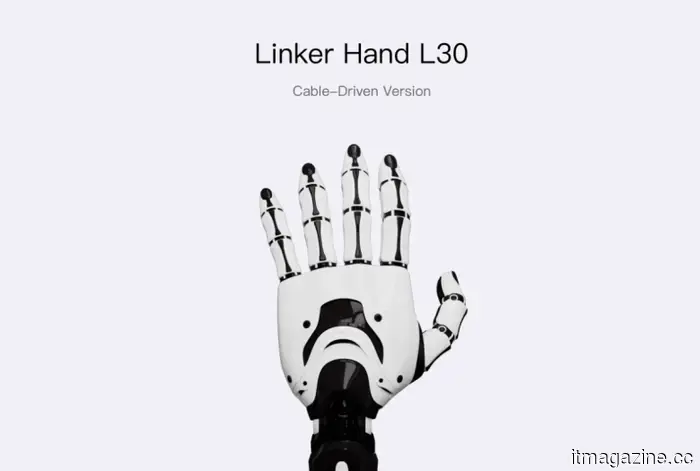 Investigating physical AI: Linkerbot is focused on equipping robots with human-like hands to operate in the real world.
If large language models act as the brains of machines, then agile robotic hands are evolving into their physical forms. As AI transitions from the digital realm into
Investigating physical AI: Linkerbot is focused on equipping robots with human-like hands to operate in the real world.
If large language models act as the brains of machines, then agile robotic hands are evolving into their physical forms. As AI transitions from the digital realm into
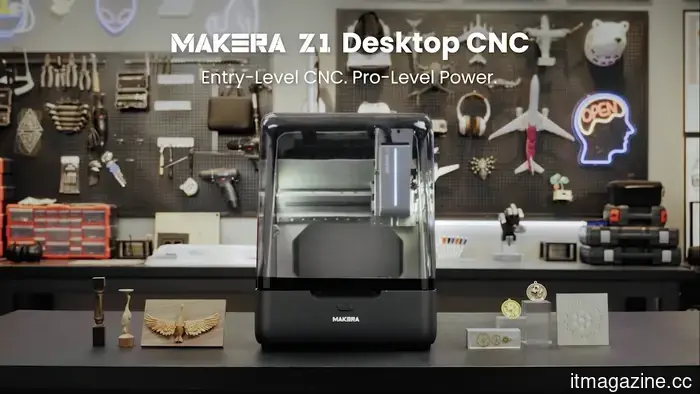 Within Makera's investment in worldwide creators as desktop CNC technology gains traction.
In recent years, as digital manufacturing technology has become increasingly available, desktop-level tools for creators and small enterprises have begun to
Within Makera's investment in worldwide creators as desktop CNC technology gains traction.
In recent years, as digital manufacturing technology has become increasingly available, desktop-level tools for creators and small enterprises have begun to
 From laboratory to living space: how CSOT transforms research into dependable displays.
With the growing prevalence of consumer electronics and smart devices, the significance of display technology in electronic devices is rising.
From laboratory to living space: how CSOT transforms research into dependable displays.
With the growing prevalence of consumer electronics and smart devices, the significance of display technology in electronic devices is rising.
AI-driven demand indicates an extended semiconductor upcycle lasting until 2026 and possibly beyond.
During the UBS Greater China Conference 2026, which took place in Shanghai on Wednesday, Jimmy Yu, the China Technology Semiconductor Analyst at UBS Securities, conveyed his