
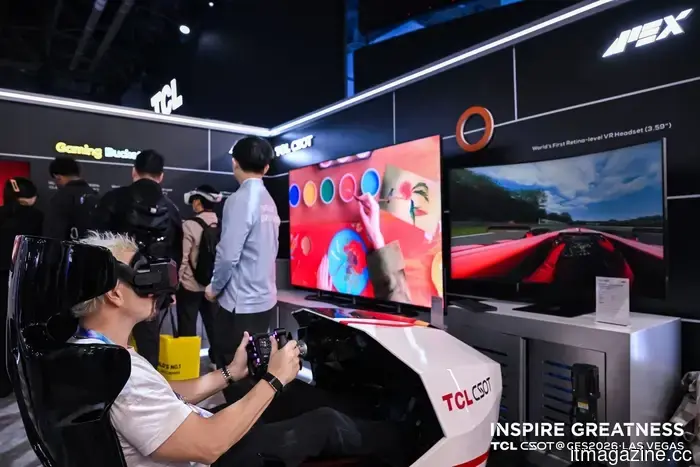
From laboratory to living space: how CSOT transforms research into dependable displays.
Credit: CSOT
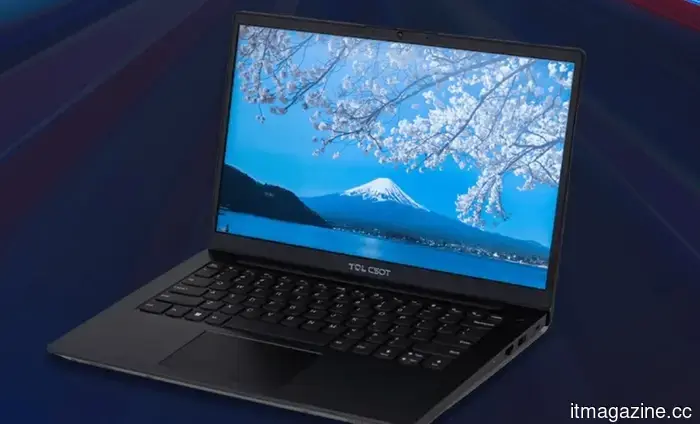
As consumer electronics and smart devices become more prevalent, the significance of display technology within electronic devices has grown. TCL China Star Optoelectronics Technology (CSOT), a Chinese company, has actively researched LCD, OLED, and emerging display technologies, achieving significant progress in these fields. Today, we will examine CSOT's advancements in display technology, focusing on how the company is pushing the boundaries of LCD, OLED, and next-generation screens, transforming lab research into products that power the devices we utilize daily.
Improving LCD and OLED performance for clarity and adaptability
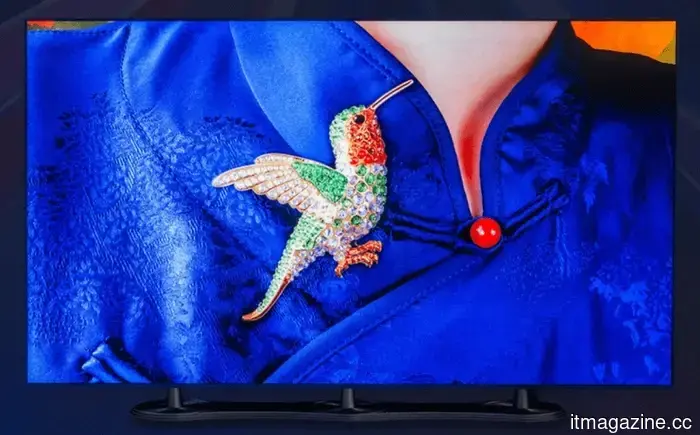
CSOT has enhanced the performance of large traditional liquid crystal displays (LCDs) with advancements in backlighting, resolution, and color processing. For instance, quantum dot backlight technology broadens the color range while enhancing brightness uniformity and contrast, resulting in images that are clearer and more accurate. In the realm of organic light-emitting diode (OLED) technology, CSOT has created flexible panels for smartphones, tablets, and foldable devices. These panels feature self-emission, high contrast, low power consumption, and high refresh rates, all of which contribute to improved image quality and energy efficiency. The company has also refined manufacturing processes, including material selection, thin-film encapsulation, and process management, laying the groundwork for large-scale production of wearable and foldable screens.
Progressing Mini LED and Micro LED for precise premium displays
CSOT is also advancing Mini LED and Micro LED display technologies. Mini LED employs smaller backlight units that allow for precise local dimming, resulting in enhanced contrast and uniform brightness. Micro LED, regarded as a next-gen display technology, boasts self-emission, high color saturation, and durability, making it ideal for large, high-end screens. CSOT engages in research on material development, pixel design, and manufacturing procedures, yielding data and insights that aid in evaluating the feasibility of these new display technologies. By merging research and industry practices, CSOT has established a closed-loop process that links lab research with small-scale production. This involves refining materials, manufacturing processes, and encapsulation techniques, which have increased panel yield and stabilized production. Such an approach enables the efficient conversion of technological advancements into functional products, enhancing the utilization of display technologies in consumer electronics and professional displays.
Investigating QD‑EL technology for next-generation self-emissive screens
Additionally, CSOT is investigating quantum dot electroluminescent (QD‑EL) technology, which merges the benefits of OLED and quantum dots. Unlike conventional LCDs that require backlighting or standard OLED panels, QD‑EL employs quantum dots as self-emissive pixels, delivering superior color purity, brightness, and energy efficiency. CSOT is developing QD‑EL using printed OLED techniques, applying the quantum dot emission layer through advanced printing methods. Although still in the prototype phase, these innovations showcase CSOT's ambition to move beyond traditional OLED and Mini/Micro LED screens, paving the way for potentially high-performance, large-format, and flexible displays in the future.
Translating research into practical next-generation display solutions
Overall, CSOT has conducted extensive research in both fundamental and practical aspects of display technology, providing experimental data and engineering insights that facilitate the development of novel display technologies and guide future innovations. Looking ahead, these advancements hint at a wider array of possibilities for displays, including superior image quality, enhanced energy efficiency, increased flexibility, and larger high-end screens. They also indicate a shift in the industry towards more intricate, multifunctional display formats, moving beyond standard flat panels to accommodate the evolving needs of consumer electronics and professional applications.
Jessie Wu is a technology reporter based in Shanghai, covering consumer electronics, semiconductors, and the gaming industry for TechNode. Connect with her via email: jessie.wu@technode.com. More by Jessie Wu.
Other articles
 How Flippa is Eliminating Language Barriers in Global Transactions
Flippa is eliminating language obstacles in global M&A through its AI-driven multi-language Deal Room, assisting buyers and sellers in finalizing cross-border digital business transactions.
How Flippa is Eliminating Language Barriers in Global Transactions
Flippa is eliminating language obstacles in global M&A through its AI-driven multi-language Deal Room, assisting buyers and sellers in finalizing cross-border digital business transactions.
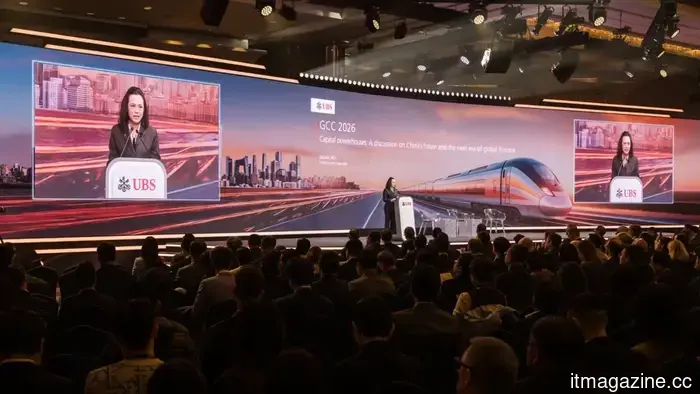 AI-driven demand indicates a prolonged semiconductor upcycle extending into 2026 and beyond.
During the UBS Greater China Conference 2026 in Shanghai on Wednesday, Jimmy Yu, a Semiconductor Analyst for China at UBS Securities, presented his
AI-driven demand indicates a prolonged semiconductor upcycle extending into 2026 and beyond.
During the UBS Greater China Conference 2026 in Shanghai on Wednesday, Jimmy Yu, a Semiconductor Analyst for China at UBS Securities, presented his
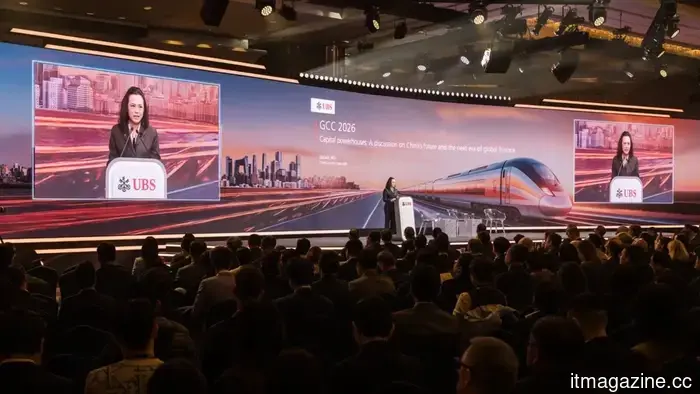 AI-driven demand indicates an extended semiconductor upcycle lasting until 2026 and possibly beyond.
During the UBS Greater China Conference 2026, which took place in Shanghai on Wednesday, Jimmy Yu, the China Technology Semiconductor Analyst at UBS Securities, conveyed his
AI-driven demand indicates an extended semiconductor upcycle lasting until 2026 and possibly beyond.
During the UBS Greater China Conference 2026, which took place in Shanghai on Wednesday, Jimmy Yu, the China Technology Semiconductor Analyst at UBS Securities, conveyed his
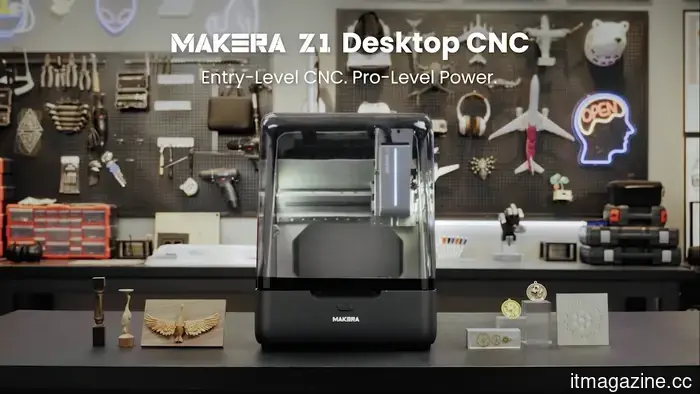 Within Makera's investment in worldwide creators as desktop CNC technology gains traction.
In recent years, as digital manufacturing technology has become increasingly available, desktop-level tools for creators and small enterprises have begun to
Within Makera's investment in worldwide creators as desktop CNC technology gains traction.
In recent years, as digital manufacturing technology has become increasingly available, desktop-level tools for creators and small enterprises have begun to
 How Flippa Is Breaking Down Language Barriers in Global Deal-Making
Flippa is eliminating language obstacles in global mergers and acquisitions with its AI-driven multilingual Deal Room, assisting buyers and sellers in finalizing cross-border digital business transactions.
How Flippa Is Breaking Down Language Barriers in Global Deal-Making
Flippa is eliminating language obstacles in global mergers and acquisitions with its AI-driven multilingual Deal Room, assisting buyers and sellers in finalizing cross-border digital business transactions.
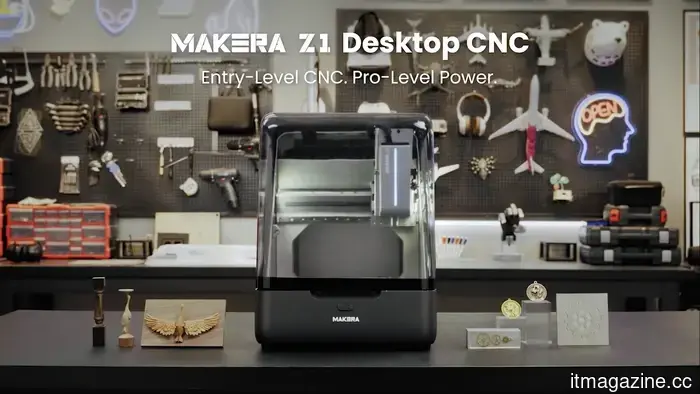 Inside Makera's investment in global makers as desktop CNC technology reaches its potential.
In recent years, with the increasing accessibility of digital manufacturing technology, desktop-level tools for creators and small enterprises have begun to
Inside Makera's investment in global makers as desktop CNC technology reaches its potential.
In recent years, with the increasing accessibility of digital manufacturing technology, desktop-level tools for creators and small enterprises have begun to
From laboratory to living space: how CSOT transforms research into dependable displays.
With the growing prevalence of consumer electronics and smart devices, the significance of display technology in electronic devices is rising.