
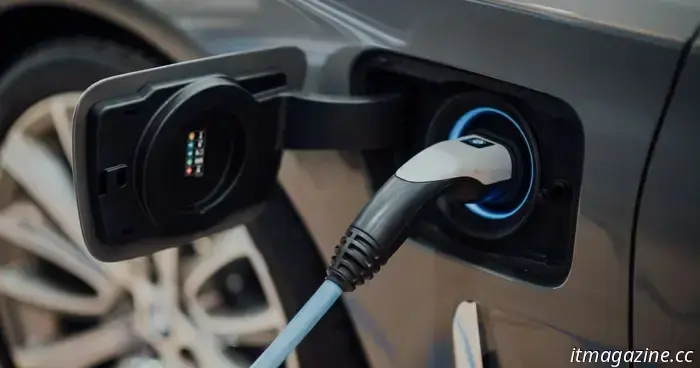
This innovative battery design has the potential to enhance the range of your electric vehicle.
South Korean researchers develop an anode-free battery that nearly doubles energy density for EVs
A team of scientists from South Korea has announced a significant advance in electric vehicle battery technology, unveiling an "anode-free" lithium metal battery that almost doubles the energy density without increasing the battery's size. This research—a collaboration among POSTECH, KAIST, and Gyeongsang National University—might provide a solution for achieving the extended driving range and cold-weather performance that electric vehicles have been lacking.
Increasing energy capacity in the same battery volume
The research team, led by Professor Soojin Park and Dr. Dong-Yeob Han at POSTECH, demonstrated a battery with an energy density of 1,270 Wh/L, compared to the approximately 650 Wh/L typical in most lithium-ion batteries found in current EVs. Volumetric density is crucial for car manufacturers, as every inch and pound is essential when designing a vehicle's structure.
The key innovation is the "anode-free" design. Standard batteries have a graphite anode, which serves as a storage area for lithium. In this new design, the anode is eliminated. During charging, lithium ions migrate from the cathode and deposit directly onto a copper collector. By omitting the bulky anode, considerable internal space is freed up, enabling a greater energy capacity without increasing the battery size.
This concept has long been the "holy grail" of battery research but is notoriously difficult to achieve. Typically, lithium deposits unevenly, creating small, needle-like structures called dendrites. These dendrites can penetrate the internal layers of the battery, resulting in short circuits, fires, or a significantly reduced lifespan.
To address this issue, the research team developed a two-step stabilization strategy.
First, they created a "Reversible Host," which is a polymer framework embedded with silver nanoparticles that guides smooth lithium plating. Second, they formulated a specially “Designed Electrolyte” that forms a protective layer of lithium oxide and lithium nitride. This layer acts as a barrier, preventing harmful dendrites from developing while still allowing ion flow.
The test results were remarkable. Even under challenging conditions, the battery retained nearly 82 percent of its capacity after 100 cycles. Importantly, the researchers conducted these tests using “pouch cells,” which closely resemble actual battery formats used in vehicles. This suggests that the technology is much closer to moving from the lab to mass production.
For potential EV buyers, this development could mean significantly increased driving range on a single charge and reduced “range anxiety” in cold weather. While a commercial release date has not yet been announced, the researchers are optimistic that they've discovered a feasible pathway to creating a safer, high-capacity battery capable of withstanding daily driving demands.



Other articles
 Here’s how Samsung's proprietary GPU could enhance your upcoming Galaxy smartphone.
Samsung is creating its own mobile GPU architecture for the Exynos 2800, representing a significant move toward tailored AI-centric chip design for upcoming Galaxy devices.
Here’s how Samsung's proprietary GPU could enhance your upcoming Galaxy smartphone.
Samsung is creating its own mobile GPU architecture for the Exynos 2800, representing a significant move toward tailored AI-centric chip design for upcoming Galaxy devices.
 I evaluated the image generation capabilities of ChatGPT against those of Nano Banana, and only one succeeded in producing useful stock photos.
Stock images often appear unrealistic. However, can Nano Banana Pro and ChatGPT generate images that are more lifelike and practical?
I evaluated the image generation capabilities of ChatGPT against those of Nano Banana, and only one succeeded in producing useful stock photos.
Stock images often appear unrealistic. However, can Nano Banana Pro and ChatGPT generate images that are more lifelike and practical?
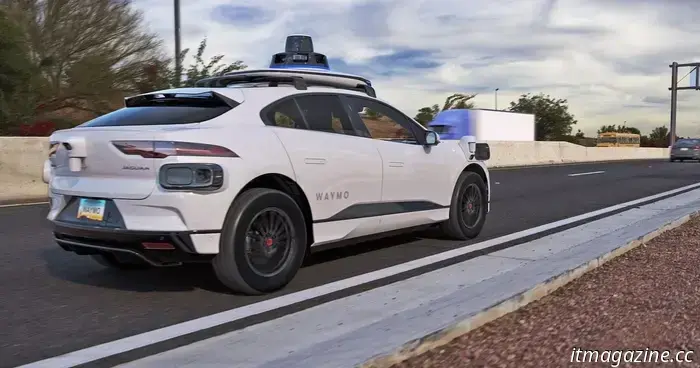 Waymo's promise of driverless technology still has a major vulnerability.
Waymo's robotaxis are capable of operating without a human driver, but fundamental problems such as an unlatched door or a sudden increase in remote assistance requests during a service disruption can still disrupt the fleet.
Waymo's promise of driverless technology still has a major vulnerability.
Waymo's robotaxis are capable of operating without a human driver, but fundamental problems such as an unlatched door or a sudden increase in remote assistance requests during a service disruption can still disrupt the fleet.
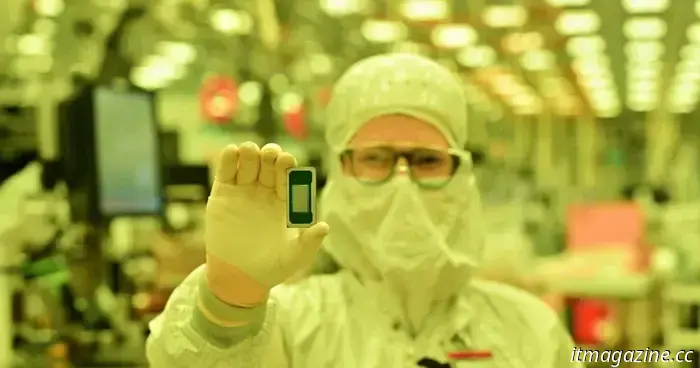 Intel's upcoming Core Ultra processors might extend your budget even more.
A recent rumor suggests that Intel’s Core Ultra 200K Plus refresh might introduce E-cores and enhance the supported DDR5 specifications, all while maintaining stable prices and continuing to use LGA1851 motherboards.
Intel's upcoming Core Ultra processors might extend your budget even more.
A recent rumor suggests that Intel’s Core Ultra 200K Plus refresh might introduce E-cores and enhance the supported DDR5 specifications, all while maintaining stable prices and continuing to use LGA1851 motherboards.
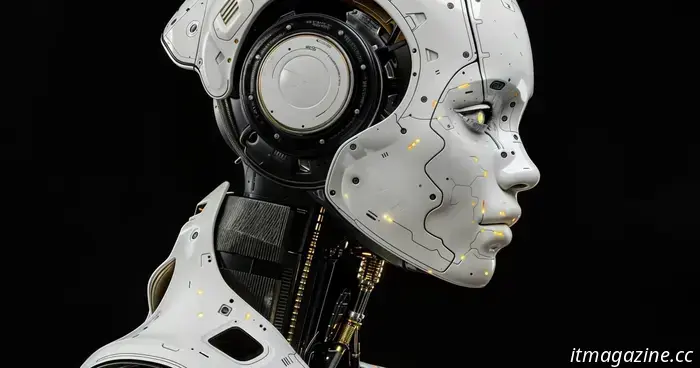 Before investing in robot butlers, listen to what developers of humanoid robots acknowledge.
Startups focused on humanoid robots are securing substantial funding, and the sales narrative is well-known. It suggests that human-like machines will shortly be utilized in warehouses and factories, ultimately making their way into our residences. However, the Wall Street Journal reveals a more cautious perspective within the industry; even the firms developing these robots believe that expectations have outpaced what is actually feasible. [...]
Before investing in robot butlers, listen to what developers of humanoid robots acknowledge.
Startups focused on humanoid robots are securing substantial funding, and the sales narrative is well-known. It suggests that human-like machines will shortly be utilized in warehouses and factories, ultimately making their way into our residences. However, the Wall Street Journal reveals a more cautious perspective within the industry; even the firms developing these robots believe that expectations have outpaced what is actually feasible. [...]
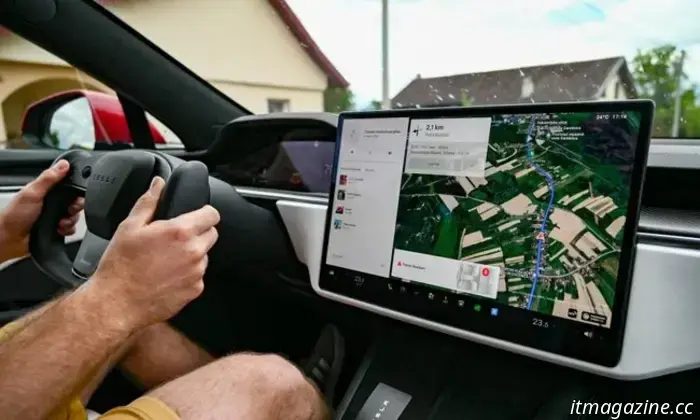
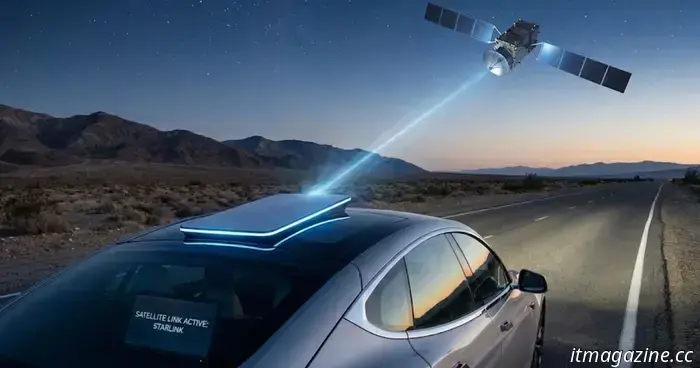 Here’s how Tesla might provide satellite internet access in your vehicle.
Tesla has secured a patent for a polymer-based vehicle roof designed to facilitate satellite communication, suggesting the possibility of integrated Starlink internet for upcoming models and autonomous fleets.
Here’s how Tesla might provide satellite internet access in your vehicle.
Tesla has secured a patent for a polymer-based vehicle roof designed to facilitate satellite communication, suggesting the possibility of integrated Starlink internet for upcoming models and autonomous fleets.
This innovative battery design has the potential to enhance the range of your electric vehicle.
A newly developed anode-free battery design reaches unprecedented energy density by utilizing stabilized lithium metal, paving the way for extended EV range, lighter battery packs, and enhanced performance in cold weather.