
Here’s how Samsung's proprietary GPU could enhance your upcoming Galaxy smartphone.
Your next Galaxy may feature a more advanced and efficient GPU
Samsung is set to make a significant shift in its smartphone chips, with reports indicating that the company plans to introduce a processor equipped with its entirely in-house GPU by 2027. Sources suggest that Samsung’s System LSI team is diligently working on a next-generation chip, provisionally named the Exynos 2800. This chip is anticipated to have a graphics unit developed entirely on Samsung's own architecture, marking a departure from its long-standing dependence on external designs.
Transitioning from Partner GPUs to Proprietary AI Engines
Until now, Samsung has primarily relied on external partners for its mobile graphics solutions. The upcoming Exynos 2600, which will power some of next year's Galaxy devices, still incorporates a GPU based on AMD’s technology. The Exynos 2800, however, is seen as a pivotal moment. If Samsung successfully implements a GPU derived from its own "basic blueprint," it would join a prestigious group of companies—such as NVIDIA, Apple, Qualcomm, and Intel—that design their own graphics hardware from scratch.
Given the transformative impact of AI, the timing is strategic. GPUs are no longer solely for gaming or displaying images; they serve as the powerful engines behind on-device AI. Whether it's image generation, real-time video enhancement, or executing complex language models, a mobile GPU has to handle demanding tasks.
For Samsung, this represents a significant strategic risk
While the company is already a heavyweight in memory and chip manufacturing, designing its own logic and AI processors has always posed greater challenges. Venturing into its own GPU architecture indicates that Samsung is now confident in its design capabilities to compete with the leading fabless chipmakers globally.
For everyday Galaxy users, the potential benefits could be substantial. General-purpose GPUs are typically designed to function across various brands and software environments, which can result in less than optimal performance. A GPU developed specifically by Samsung for its devices can be finely tuned to suit the Galaxy's hardware and software. This could lead to improvements in battery life, reduced overheating, and a more seamless and rapid integration of AI features.
Looking ahead, Samsung has no intentions of limiting this proprietary GPU technology to smartphones. Reports suggest they aim to integrate this technology into a range of products, including smart glasses, self-driving vehicles, and humanoid robots. Additionally, they have actively recruited top talent from competitors to ensure the project remains on course.
Should the Exynos 2800 debut in 2027, it would mark Samsung's establishment as a formidable player in the AI chip industry—an entity that finally dictates its own silicon future.
Apple now offering complimentary two-hour delivery for last-minute holiday shoppers
You can still receive your Apple gifts promptly thanks to free two-hour delivery
Apple has officially kicked off its final holiday promotion by providing free two-hour delivery on eligible, in-stock items, allowing last-minute shoppers in the U.S. and Canada to avoid crowded stores today. This limited-time offer is available until noon on December 24 in many major cities, effectively eliminating the standard $9 delivery fee. In Australia, a similar three-hour delivery option is being offered during the same timeframe.
Swift delivery from local stores to your doorstep
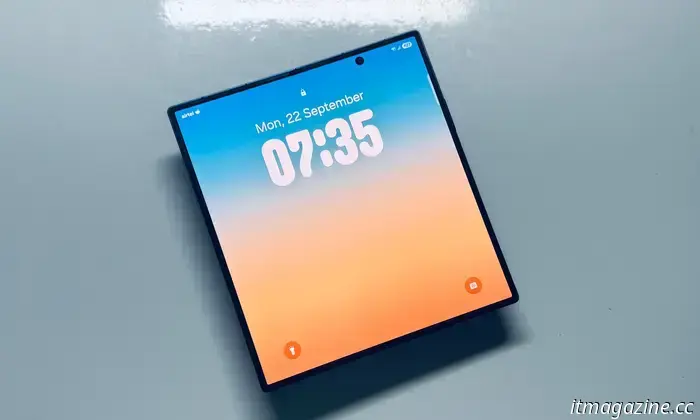
Samsung Galaxy Z TriFold shows signs of hinge fatigue after 144,000 folds in independent testing
A real-world folding test reveals that the hinges of the Samsung Galaxy Z TriFold weaken around 144,000 folds—substantially below its claim of 200,000 folds—although the display remains intact.
The newly launched Galaxy Z TriFold is attracting attention regarding foldable durability. A South Korean YouTube channel recently conducted a rigorous "stress test" that exceeded the device’s limits. Following its release last month, there has been skepticism surrounding the complicated dual-hinge design, and while Samsung asserts that it's built to endure, this independent examination offers a more realistic—and somewhat worrying—perspective on its long-term durability.
Stress Test Reveals Early Warning Signs
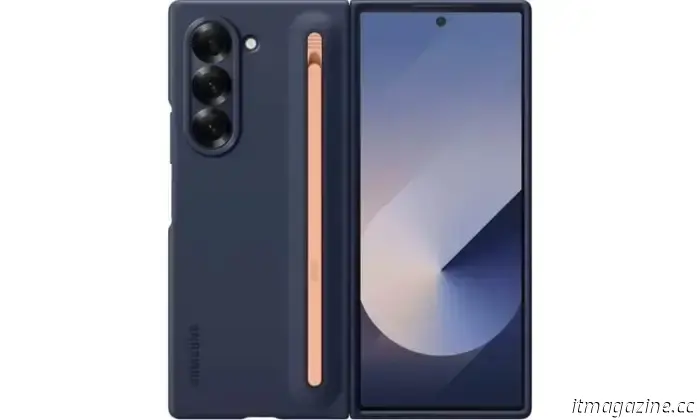
Samsung is reportedly revising its foldable displays to reinstate S Pen support, suggesting a focus on productivity for Galaxy Fold devices, but there are some compromises.
Samsung removed S Pen support from the Galaxy Z Fold 7 to achieve a slimmer profile compared to its predecessor (which did allow the stylus), accomplishing a notable feat in weight and thinness. However, it appears Samsung plans to reintroduce the S Pen in one of its upcoming foldables to rival Apple's initial book-style foldable, supposedly called the iPhone Fold. According to a post on the Korean blog Naver, Samsung is exploring the S Pen on Galaxy Z Fold 8 variants (not yet released).



Other articles
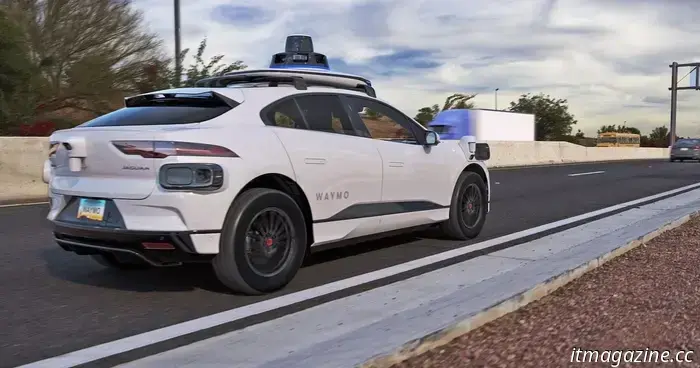 Waymo's promise of driverless technology still has a major vulnerability.
Waymo's robotaxis are capable of operating without a human driver, but fundamental problems such as an unlatched door or a sudden increase in remote assistance requests during a service disruption can still disrupt the fleet.
Waymo's promise of driverless technology still has a major vulnerability.
Waymo's robotaxis are capable of operating without a human driver, but fundamental problems such as an unlatched door or a sudden increase in remote assistance requests during a service disruption can still disrupt the fleet.
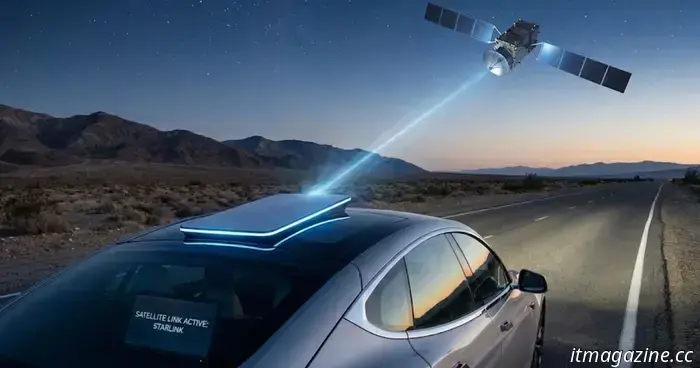 Here’s how Tesla might provide satellite internet access in your vehicle.
Tesla has secured a patent for a polymer-based vehicle roof designed to facilitate satellite communication, suggesting the possibility of integrated Starlink internet for upcoming models and autonomous fleets.
Here’s how Tesla might provide satellite internet access in your vehicle.
Tesla has secured a patent for a polymer-based vehicle roof designed to facilitate satellite communication, suggesting the possibility of integrated Starlink internet for upcoming models and autonomous fleets.
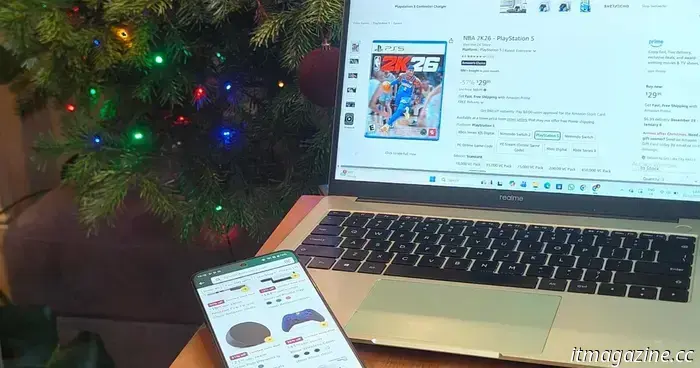 Conquer your post-Christmas shopping spree with these essential tips.
Discover the Christmas sale discounts you seek by following these shopping tips.
Conquer your post-Christmas shopping spree with these essential tips.
Discover the Christmas sale discounts you seek by following these shopping tips.
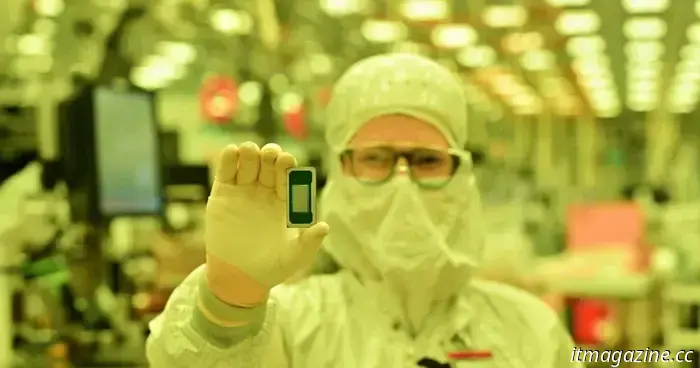 Intel's upcoming Core Ultra processors might extend your budget even more.
A recent rumor suggests that Intel’s Core Ultra 200K Plus refresh might introduce E-cores and enhance the supported DDR5 specifications, all while maintaining stable prices and continuing to use LGA1851 motherboards.
Intel's upcoming Core Ultra processors might extend your budget even more.
A recent rumor suggests that Intel’s Core Ultra 200K Plus refresh might introduce E-cores and enhance the supported DDR5 specifications, all while maintaining stable prices and continuing to use LGA1851 motherboards.
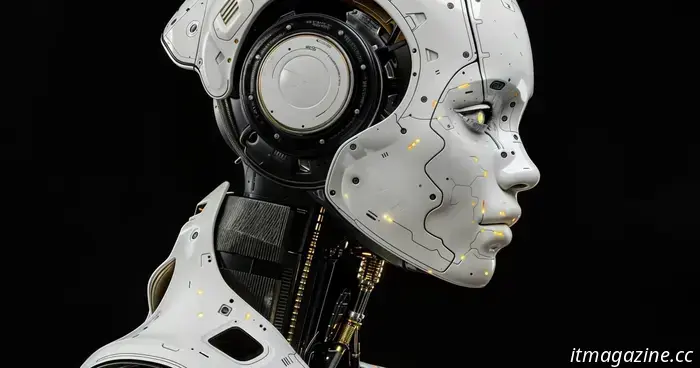 Before investing in robot butlers, listen to what developers of humanoid robots acknowledge.
Startups focused on humanoid robots are securing substantial funding, and the sales narrative is well-known. It suggests that human-like machines will shortly be utilized in warehouses and factories, ultimately making their way into our residences. However, the Wall Street Journal reveals a more cautious perspective within the industry; even the firms developing these robots believe that expectations have outpaced what is actually feasible. [...]
Before investing in robot butlers, listen to what developers of humanoid robots acknowledge.
Startups focused on humanoid robots are securing substantial funding, and the sales narrative is well-known. It suggests that human-like machines will shortly be utilized in warehouses and factories, ultimately making their way into our residences. However, the Wall Street Journal reveals a more cautious perspective within the industry; even the firms developing these robots believe that expectations have outpaced what is actually feasible. [...]
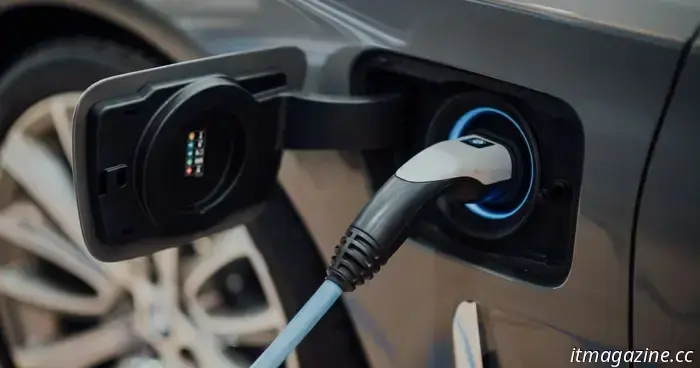 This innovative battery design has the potential to enhance the range of your electric vehicle.
A newly developed anode-free battery design reaches unprecedented energy density by utilizing stabilized lithium metal, paving the way for extended EV range, lighter battery packs, and enhanced performance in cold weather.
This innovative battery design has the potential to enhance the range of your electric vehicle.
A newly developed anode-free battery design reaches unprecedented energy density by utilizing stabilized lithium metal, paving the way for extended EV range, lighter battery packs, and enhanced performance in cold weather.
Here’s how Samsung's proprietary GPU could enhance your upcoming Galaxy smartphone.
Samsung is creating its own mobile GPU architecture for the Exynos 2800, representing a significant move toward tailored AI-centric chip design for upcoming Galaxy devices.