
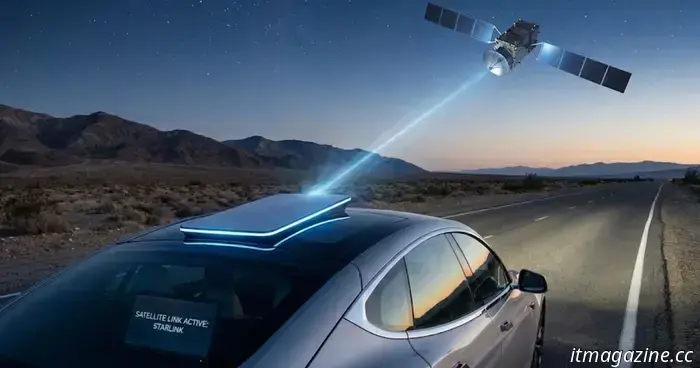
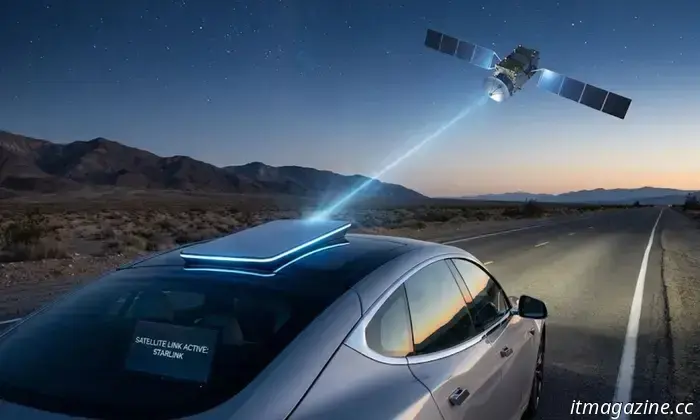
Here’s how Tesla might provide satellite internet access in your vehicle.
New Tesla roof design may offer built-in Starlink connectivity
Tesla could potentially resolve one of the major frustrations for road trippers and drivers in rural areas: the dreaded "no service" signal. A newly released patent indicates that the company is reimagining vehicle roof design by moving away from conventional glass and metal, opting instead for materials that allow satellite signals to penetrate.
A Roof Design Optimized for Satellite Communication
The patent (Pub. No. U.S. 2025/0368267) outlines a vehicle roof composed of radio frequency (RF)-transparent polymers. Essentially, Tesla aims to transform the top of your car into a data-communication window. While most people rarely think about their car's roof, typical materials like steel or even specialized glass can function as barriers, obstructing or diminishing the high-frequency signals required for satellite internet.
To tackle this issue, Tesla is exploring durable polymer blends such as polycarbonate, ABS, and ASA. These aren't merely "plastic" roofs; these materials are already extensively used in the aerospace industry due to their exceptional strength. The patent describes a four-layer structure intended to be "RF-transparent" while maintaining sufficient rigidity to keep the cabin quiet and secure.
Safety is a significant aspect of the patent. Tesla explicitly states that this new design complies with federal crash standards (FMVSS), addressing the valid concern that a polymer roof might not provide the same protection as a traditional one in the event of a rollover. It’s a careful balancing act—creating a roof that is "invisible" to satellites but "rock-solid" for the occupants inside.
The ultimate goal here is Starlink.
By embedding satellite connectivity directly into the vehicle's design, Tesla could effectively eliminate service dead zones. Whether driving through a secluded mountain road or camping off the grid, your car would maintain an internet connection without relying on nearby cell towers.
Beyond enabling passengers to stream Netflix in remote areas, this strategic move also supports Tesla’s aspirations for a Robotaxi fleet. An autonomous fleet requires a reliable and continuous connection to the central system for remote monitoring and software updates. Satellite internet offers that dependable connection that cellular networks often cannot ensure.
We've already seen some "DIY" Tesla owners experimenting with Starlink Mini dishes under their glass roofs with mixed success. This patent suggests that Tesla is preparing to offer a more polished, factory-integrated solution. Although patents don't always lead to immediate product releases, this one clearly indicates Tesla's ambition to make its vehicles the most connected machines on the planet—even in areas devoid of cell towers.

Other articles
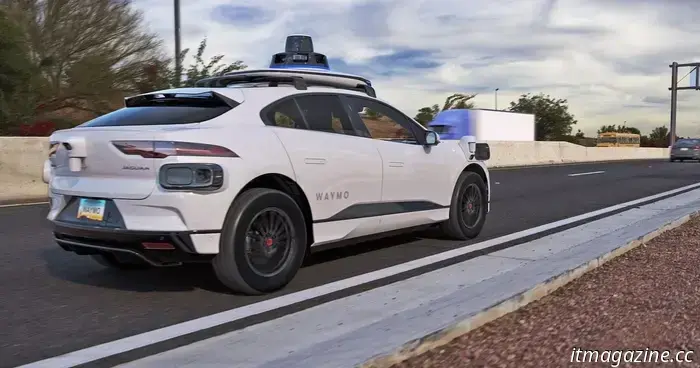 Waymo's promise of driverless technology still has a major vulnerability.
Waymo's robotaxis are capable of operating without a human driver, but fundamental problems such as an unlatched door or a sudden increase in remote assistance requests during a service disruption can still disrupt the fleet.
Waymo's promise of driverless technology still has a major vulnerability.
Waymo's robotaxis are capable of operating without a human driver, but fundamental problems such as an unlatched door or a sudden increase in remote assistance requests during a service disruption can still disrupt the fleet.
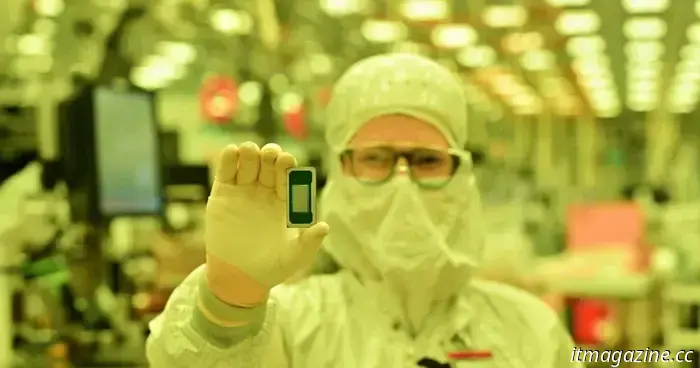 Intel's upcoming Core Ultra processors might extend your budget even more.
A recent rumor suggests that Intel’s Core Ultra 200K Plus refresh might introduce E-cores and enhance the supported DDR5 specifications, all while maintaining stable prices and continuing to use LGA1851 motherboards.
Intel's upcoming Core Ultra processors might extend your budget even more.
A recent rumor suggests that Intel’s Core Ultra 200K Plus refresh might introduce E-cores and enhance the supported DDR5 specifications, all while maintaining stable prices and continuing to use LGA1851 motherboards.
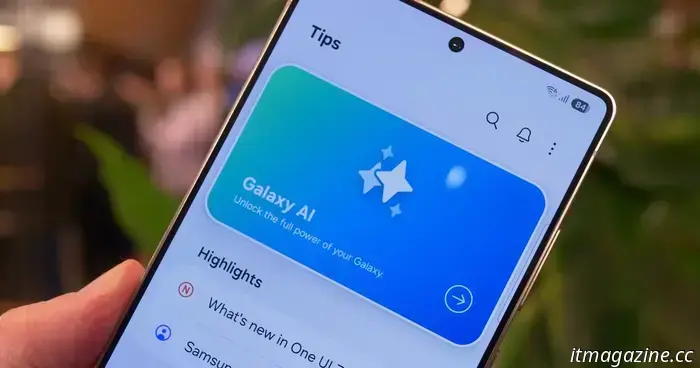 Here’s how Samsung's proprietary GPU could enhance your upcoming Galaxy smartphone.
Samsung is creating its own mobile GPU architecture for the Exynos 2800, representing a significant move toward tailored AI-centric chip design for upcoming Galaxy devices.
Here’s how Samsung's proprietary GPU could enhance your upcoming Galaxy smartphone.
Samsung is creating its own mobile GPU architecture for the Exynos 2800, representing a significant move toward tailored AI-centric chip design for upcoming Galaxy devices.
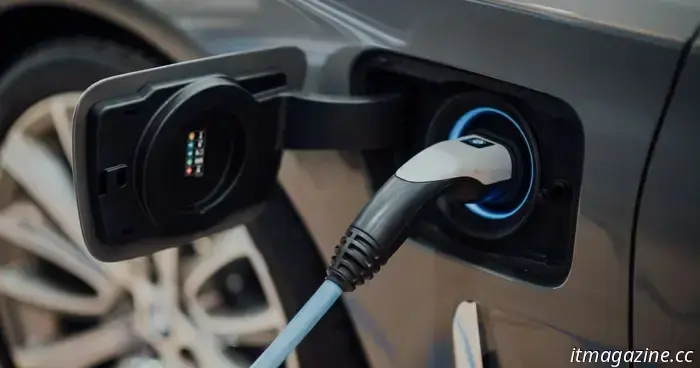 This innovative battery design has the potential to enhance the range of your electric vehicle.
A newly developed anode-free battery design reaches unprecedented energy density by utilizing stabilized lithium metal, paving the way for extended EV range, lighter battery packs, and enhanced performance in cold weather.
This innovative battery design has the potential to enhance the range of your electric vehicle.
A newly developed anode-free battery design reaches unprecedented energy density by utilizing stabilized lithium metal, paving the way for extended EV range, lighter battery packs, and enhanced performance in cold weather.
Here’s how Tesla might provide satellite internet access in your vehicle.
Tesla has secured a patent for a polymer-based vehicle roof designed to facilitate satellite communication, suggesting the possibility of integrated Starlink internet for upcoming models and autonomous fleets.