
The Samsung Galaxy Z TriFold presents significant enhancements compared to the Fold 7, but it is not available for purchase at this time.
Samsung's new TriFold is a groundbreaking device, offering tablet-level capabilities in a compact form with a 10-inch foldable display and the Snapdragon 8 Elite for Galaxy chipset; however, its U.S. launch is still unclear.
What’s new? After months of leaks and speculation, Samsung has officially introduced the Galaxy Z TriFold, its first tri-folding smartphone, positioning it as a global competitor to Huawei’s Mate XTs Ultimate.
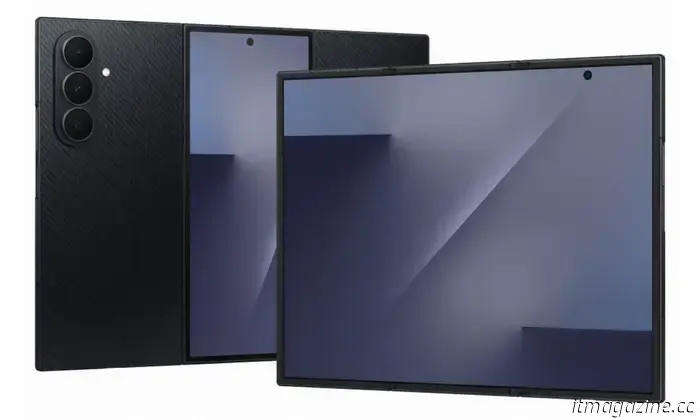
The device unfolds to reveal a 10-inch Dynamic AMOLED 2X screen with a peak brightness of 1600 nits and an adaptive refresh rate of 120Hz.
The 6.5-inch FHD+ cover display, which is adapted from the Fold 7, boasts an even greater brightness of 2600 nits, supports 120Hz, and achieves a higher pixel density of 422 ppi compared to the inner panel’s 269 ppi.
It is driven by the Snapdragon 8 Elite for Galaxy (3nm), which, while not Qualcomm’s latest, still offers near-flagship CPU and GPU performance.
The tri-folding smartphone is equipped with a 200MP main camera, complemented by 12MP ultrawide and 10MP 3x telephoto cameras, along with two 10MP selfie cameras on both the inner and cover displays.
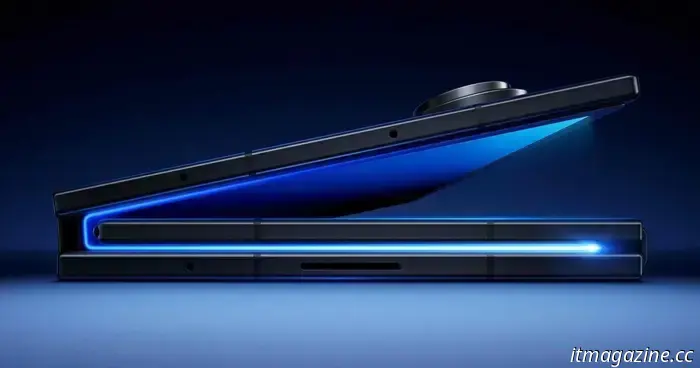
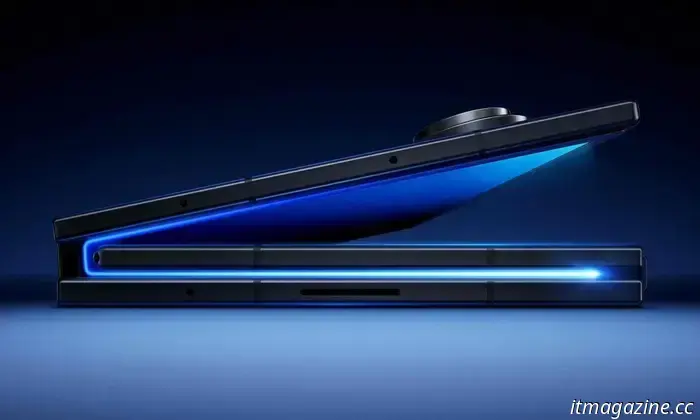
Why does this matter? The Galaxy Z TriFold represents a significant advancement beyond the Fold and Flip series due to its innovative dual-hinge and three-panel architecture, allowing it to fold twice into a remarkably pocket-sized format.
To achieve this, Samsung employs two hinges of different sizes with a dual-rail design, which enables smooth folding despite uneven weight distribution.
The device is constructed with a reinforced Advanced Armor Aluminum frame, enhancing its strength and ensuring the inner displays are safely kept apart when closed.
Samsung has granted the foldable an IP48 dust and water resistance rating, which is satisfactory but not quite on par with the IP68 rating found in some newer dual-foldables.
For Samsung, the Galaxy Z TriFold serves as a way to solidify its status as the leading manufacturer of foldable devices globally.
Why should this be of interest? It’s not just about the tablet-sized foldable display and the robust Snapdragon chipset; the TriFold also comes with a three-cell 5,600 mAh battery (45W wired and 15W wireless charging), which is larger than the battery in the Galaxy Z Fold 7.
With the expansive screen, you can perform nearly all tasks on the TriFold that you would typically do on a tablet or laptop.
The built-in Samsung DeX mode, no longer requiring an external monitor, allows you to utilize the large display for multitasking.
Ideal for travelers or those who prefer not to carry multiple gadgets, the TriFold merges the power and display area of a tablet with the familiar One UI 8 interface.
What’s next? The Galaxy Z TriFold is “expected” to launch in Korea on December 12, 2025, followed by releases in other areas, including China, Taiwan, Singapore, the UAE, and the U.S.
Therefore, there’s no confirmed U.S. launch date just yet, but the company has acknowledged the impending release.
In South Korea, the device is priced at 3,594,000 won (approximately $2,449) for the single variant with 16GB of RAM and 512GB of storage.
However, since the TriFold is about 50% pricier than the Fold 7 in Korea, it might debut as one of the most expensive consumer smartphones in the U.S., costing around $3,000.



Other articles
 SpaceX receives significant support for Starship launches at Cape Canaveral.
SpaceX has received a significant enhancement for its Starship activities at Cape Canaveral in Florida, following the approval from the Department of the Air Force (DAF) to proceed with the development of the Space Launch Complex-37 (SLC-37) launch facility. Initial construction work at the location commenced earlier this year, but the endorsement from DAF [...]
SpaceX receives significant support for Starship launches at Cape Canaveral.
SpaceX has received a significant enhancement for its Starship activities at Cape Canaveral in Florida, following the approval from the Department of the Air Force (DAF) to proceed with the development of the Space Launch Complex-37 (SLC-37) launch facility. Initial construction work at the location commenced earlier this year, but the endorsement from DAF [...]
 E-Bikes and the future of transportation: How Jasion is transforming urban travel.
Urban living is evolving rapidly. Issues such as traffic congestion, fuel costs, and environmental issues are pushing individuals to look for improved transportation options. A solution that is becoming increasingly popular is the electric bike. While they were previously seen as a trendy item, e-bikes are now recognized as a genuine alternative for urban commuting. According to Precedence Research, it is anticipated that the global e-bike market will reach […]
E-Bikes and the future of transportation: How Jasion is transforming urban travel.
Urban living is evolving rapidly. Issues such as traffic congestion, fuel costs, and environmental issues are pushing individuals to look for improved transportation options. A solution that is becoming increasingly popular is the electric bike. While they were previously seen as a trendy item, e-bikes are now recognized as a genuine alternative for urban commuting. According to Precedence Research, it is anticipated that the global e-bike market will reach […]
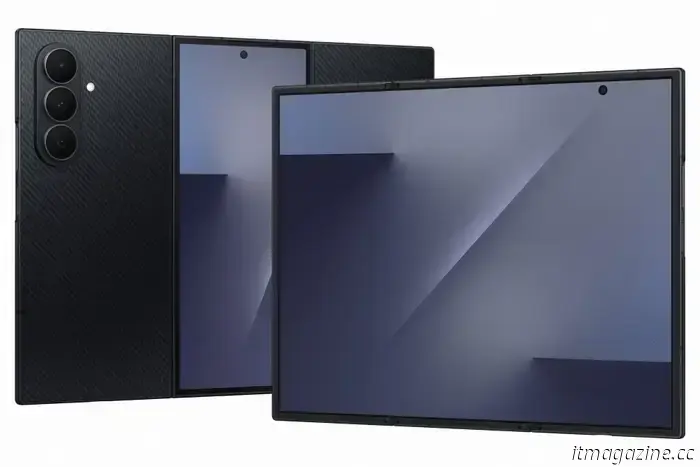 Samsung unveiled the Galaxy Z TriFold
Samsung Electronics officially unveiled the Galaxy Z TriFold, becoming the first major brand to release a mass-produced trifold smartphone. The device will go on sale in South Korea on December 12 at a price of about $2,450 and will reach the U.S. and other markets early next year. This announcement came several months before the anticipated unveiling of the first foldable iPhone, expected to arrive in fall 2026.
Samsung unveiled the Galaxy Z TriFold
Samsung Electronics officially unveiled the Galaxy Z TriFold, becoming the first major brand to release a mass-produced trifold smartphone. The device will go on sale in South Korea on December 12 at a price of about $2,450 and will reach the U.S. and other markets early next year. This announcement came several months before the anticipated unveiling of the first foldable iPhone, expected to arrive in fall 2026.
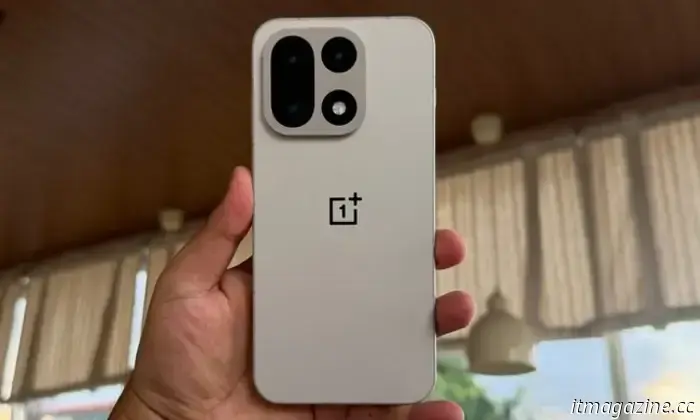
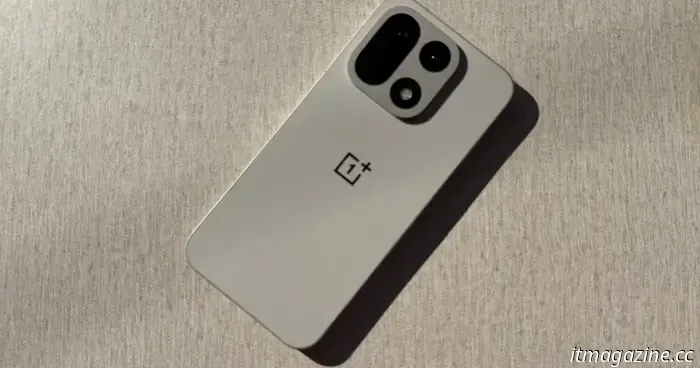 Having used the OnePlus 15 for five weeks, I've discovered what Apple requires for the iPhone 18.
The OnePlus 15 may not be an ideal phone, but it moves boundaries in ways that typical competitors tend to overlook. Apple should take note of its advantages if it aims to enhance the iPhone 18 series.
Having used the OnePlus 15 for five weeks, I've discovered what Apple requires for the iPhone 18.
The OnePlus 15 may not be an ideal phone, but it moves boundaries in ways that typical competitors tend to overlook. Apple should take note of its advantages if it aims to enhance the iPhone 18 series.
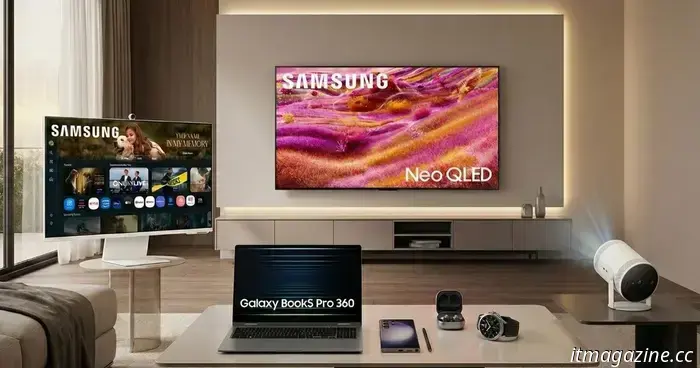 Top Samsung holiday offers available on Amazon at the moment: smartphones, televisions, laptops, and additional items.
This year, Samsung's holiday discounts on Amazon cover many major categories: smartphones, televisions, laptops, monitors, audio equipment, and wearables. If you're currently part of the Galaxy ecosystem or considering joining it, now is a great time to enhance the key components of your setup while prices are reduced. Galaxy S25 Ultra (256GB) [...]
Top Samsung holiday offers available on Amazon at the moment: smartphones, televisions, laptops, and additional items.
This year, Samsung's holiday discounts on Amazon cover many major categories: smartphones, televisions, laptops, monitors, audio equipment, and wearables. If you're currently part of the Galaxy ecosystem or considering joining it, now is a great time to enhance the key components of your setup while prices are reduced. Galaxy S25 Ultra (256GB) [...]
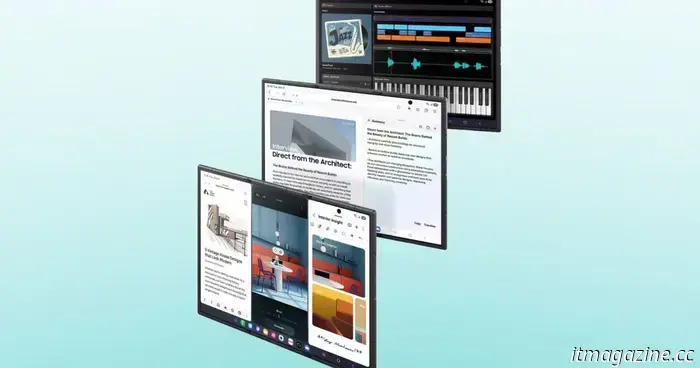 You can utilize the Samsung Galaxy Z Trifold as a desktop computer without the need for an external monitor.
Samsung’s Galaxy Z Trifold is the inaugural phone to operate DeX directly on its 10-inch display, offering users a genuine desktop-like experience without the requirement of an external monitor. It is crafted for multitasking akin to a PC while being able to fold into a compact device.
You can utilize the Samsung Galaxy Z Trifold as a desktop computer without the need for an external monitor.
Samsung’s Galaxy Z Trifold is the inaugural phone to operate DeX directly on its 10-inch display, offering users a genuine desktop-like experience without the requirement of an external monitor. It is crafted for multitasking akin to a PC while being able to fold into a compact device.
The Samsung Galaxy Z TriFold presents significant enhancements compared to the Fold 7, but it is not available for purchase at this time.
Samsung has officially introduced the Galaxy Z TriFold, its inaugural tri-folding smartphone, which boasts a 10-inch display, an expanded 5,600 mAh battery, and is powered by the Snapdragon 8 Elite.