
AI-powered recycling on a large scale: The ways in which ATRenew enhances the circular economy.
ATRenew is a technology platform aimed at giving a second life to electronic devices through extensive recycling and refurbishment. Founded in 2011, the company operates over 2,000 offline stores across 291 cities in China, providing data-driven solutions for smartphones and other electronic devices.
Rethinking refurbishment processes
The core of ATRenew’s business is its C2B2C (“consumer-to-business-to-consumer”) model, which oversees the entire process from recycling and privacy protection to resale. Each device undergoes inspection, grading, and is then reintroduced to the market via standardized and automated methods.
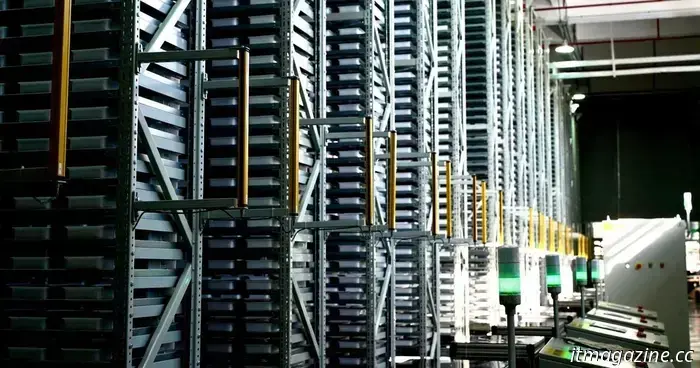
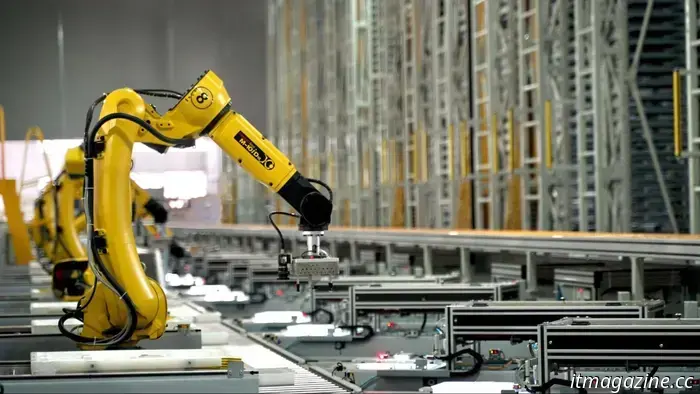
The main driver of this vertical integration is ATRenew’s automation center in Dongguan, which prominently utilizes artificial intelligence and robotics. Historically, refurbishing electronic devices involved manual disassembly, evaluation, and part replacement—procedures that are both time-intensive and costly, requiring significant expertise and training for employees.
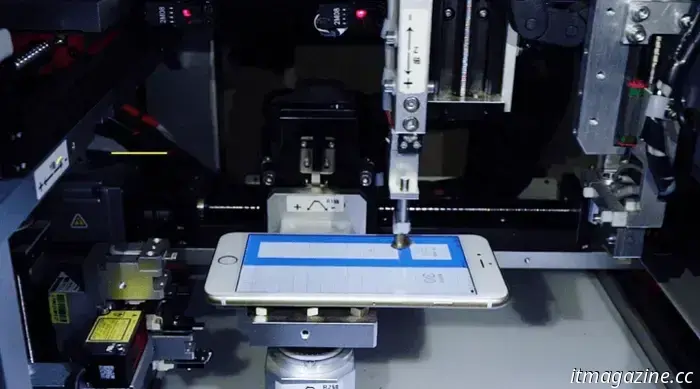
At ATRenew, a fully automated, AI-driven inspection line performs the majority of quality checks with exceptional accuracy and reliability, reducing errors and the necessity for manual involvement. This unique system can handle up to 100,000 devices per day, having processed over 150 million devices so far.
Specifically, ATRenew’s “007” modules utilize machine vision and acoustic algorithms to promptly test devices' cameras, sensors, Bluetooth, Wi-Fi, and other crucial features. An advanced X-ray module can even identify concealed repairs or absent parts without disassembly, facilitating inspection and decreasing dependence on manual labor.
The power of data
By processing tens of thousands of devices daily, ATRenew generates comprehensive data sets necessary for training its AI inspection algorithms. This is particularly challenging in a market where each second-hand phone presents unique characteristics and repair requirements.
Moreover, the influence of AI extends beyond mere speed. The company's Smart Pricing System evaluates millions of bids and real-time market data to provide fair, sustainable pricing for both recyclers and buyers. Its Smart Supply Chain System leverages lifecycle data to determine whether a device should be refurbished and how to optimize its value. This leads to increased transaction efficiency, reduced waste, and an improved experience for consumers and partners alike.
Before resale, devices also undergo a thorough digital-cleansing process to ensure personal information is securely eliminated. Each refurbished unit is certified through an inspection process and comes with warranty coverage, enhancing trust in the pre-owned market.
Collectively, these tools foster a more transparent and efficient second-hand electronics market, addressing long-standing concerns regarding quality inconsistency and consumer confidence.
A growing market
Since its establishment in 2011, ATRenew has made significant progress. According to founder Chen Xuefeng, the company’s initial challenge was not the refurbishment process itself, but rather convincing consumers to sell their unused devices. To tackle this, ATRenew initiated awareness campaigns like the REVIVE project, which included a partnership with L’Oréal to promote recycling of cosmetic containers, alongside recycling centers.
Since those early days, China’s second-hand electronics market has seen remarkable growth, increasing from approximately RMB 79 billion (about USD 11 billion) in 2016 to RMB 309.5 billion (about USD 44 billion) in 2021, and is anticipated to reach around RMB 987 billion (about USD 140 billion) by 2026. Despite this expansion, the rate of recycling remains relatively low, presenting substantial opportunities for systems that integrate technology with sustainable methods.
The company has garnered recognition for its eco-friendly initiatives, earning a nomination as a 2025 finalist for the prestigious Earthshot Prize, a global environmental award initiated by Prince William and David Attenborough.
“Being acknowledged as a Finalist of The Earthshot Prize symbolizes the culmination of 15 years of efforts to advance a zero-carbon future and mitigate the increasing e-waste output in society,” stated Chen regarding the nomination.
What the future holds
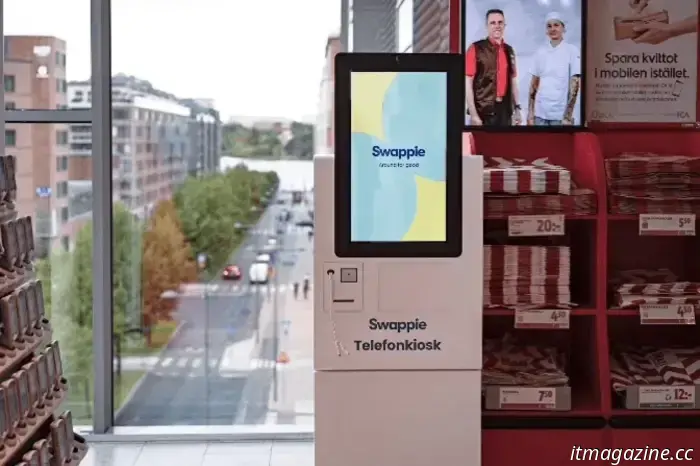
ATRenew is actively expanding its recycling network into more cities and is experimenting with self-service recycling kiosks in select international markets, including Japan and Sweden. These pilot projects investigate how AI-based inspection and pricing systems could potentially be adapted for global application.
The same AI and data systems that facilitate smartphone recycling could also be utilized for laptops, tablets, and smart devices, broadening the platform's impact on other types of electronic waste. As automation and recycling technologies evolve, ATRenew seeks to make sustainable consumption more accessible and commonplace for consumers.
Digital Trends collaborates with external contributors, and all contributor content is subject to review by the Digital Trends editorial team.
Other articles
 Having used the OnePlus 15 for five weeks, I've discovered what Apple requires for the iPhone 18.
The OnePlus 15 may not be an ideal phone, but it moves boundaries in ways that typical competitors tend to overlook. Apple should take note of its advantages if it aims to enhance the iPhone 18 series.
Having used the OnePlus 15 for five weeks, I've discovered what Apple requires for the iPhone 18.
The OnePlus 15 may not be an ideal phone, but it moves boundaries in ways that typical competitors tend to overlook. Apple should take note of its advantages if it aims to enhance the iPhone 18 series.
 SpaceX receives significant support for Starship launches at Cape Canaveral.
SpaceX has received a significant enhancement for its Starship activities at Cape Canaveral in Florida, following the approval from the Department of the Air Force (DAF) to proceed with the development of the Space Launch Complex-37 (SLC-37) launch facility. Initial construction work at the location commenced earlier this year, but the endorsement from DAF [...]
SpaceX receives significant support for Starship launches at Cape Canaveral.
SpaceX has received a significant enhancement for its Starship activities at Cape Canaveral in Florida, following the approval from the Department of the Air Force (DAF) to proceed with the development of the Space Launch Complex-37 (SLC-37) launch facility. Initial construction work at the location commenced earlier this year, but the endorsement from DAF [...]
 Digital Trends may receive a commission if you make a purchase through links on our site. Why put your trust in us?
Amazon has just increased the speed of online shopping with the introduction of Amazon Now, a service aimed at delivering essentials within approximately 30 minutes. This service has quietly launched in sections of Seattle and Philadelphia, marking a significant entry into the instant delivery market.
We're talking about thousands of items – such as milk, eggs, chargers, and cold medicine – delivered without delay. Prime members benefit from lower fees starting at $3.99, while non-members face a delivery charge of $13.99. Additionally, there is a charge of $1.99 for orders under $15.
To make this possible, Amazon didn’t simply upgrade its delivery vans; it established entirely new, smaller warehouses close to residential neighborhoods. This adds a fresh layer of speed to its already extensive network.
Why this is significant – and its implications for customers
This move positions Amazon squarely against competitors like Instacart, Gopuff, and DoorDash. These companies have found it challenging to turn rapid delivery into a profitable model across the nation, but Amazon’s extensive infrastructure may give it the edge to succeed.
It's also a strategic approach to reinstate the necessity of your Prime subscription. By cutting delivery times down to 30 minutes, Amazon isn’t merely competing; it aims to reshape consumer expectations entirely. Being able to deliver a charger before your phone dies is a compelling incentive.
Why You Should Pay Attention
This advancement means that the stress of forgetting an item is alleviated. Whether it’s diapers, toothpaste, or a missing ingredient for dinner, you can get what you need faster than a pizza delivery.
However, there's a caveat: availability is currently limited, and expenses can accumulate quickly if you’re not a Prime member. Additionally, Amazon is reportedly encouraging brands to determine which products fit best within this ultra-fast delivery system.
What’s Next
Amazon has not revealed a complete plan yet, but hiring trends suggest more cities may be added soon. The company is exploring consumer demand for such speedy service. If successful, Amazon Now may establish a new standard for Prime, compelling other delivery services to adapt quickly to keep up.
Moinak Pal has been covering technology in both consumer-focused and automotive areas…
Techinline is currently offering a 20% discount on SetMe’s Professional plan for the first year: Try it free now
SetMe, provided by Techinline, is a dependable remote desktop solution we have previously discussed. It allows IT professionals to access Windows or Mac computers remotely with ease and solid security. It even facilitates remote access for unattended systems, meaning there’s no need for someone to be present at the device for access. This makes it an excellent solution for IT teams of all sizes and remote or hybrid operations. The service supports unlimited attended and unattended devices, limitless concurrent support sessions, and features advanced reporting and user management capabilities – making it an ideal solution for IT needs.
Why is this important? Techinline is currently providing a 20% discount on SetMe’s professional plan for the first year. However, if you’d like to test it out first for your team, you can. They offer an exclusive 15-day free trial with no credit card requirement and no obligations – simply use our promo code. All features are included during the trial, with nothing restricted. You can seize this offer right now or continue reading for more details on how SetMe Professional operates.
Sign Up Now
Why Is SetMe Professional an Ideal IT Solution?
Read more
LastPass Teams facilitates effortless password management for enhanced productivity
You may be already aware of LastPass, a comprehensive password and identity management tool that provides support for both individuals and teams. LastPass Teams is specifically designed for business groups, from small and home-office teams to larger remote ones, making it an efficient way to manage and share passwords, among other functions.
One key advantage is the productivity enhancement for all users. Consider the traditional methods of sharing passwords and accounts. You would need to exchange login details and possibly share the procedure too. If multi-factor authentication is in place, the complexity increases. You have to communicate codes, pre-arrange access, and more. Furthermore, this method isn’t secure; once multiple people have the login details, the account is compromised, regardless of trust.
Read more
Access Sam’s Club membership perks with a 50% discount — sign up here!
If you haven’t yet signed up for a Sam’s Club membership, now is the time to do so because the wholesale retailer is offering a 50% discount on a full year of Club membership. You will only pay $25 instead of the usual $50 to enjoy all the benefits. This offer isn’t expiring soon, but it’s advisable to sign up immediately through the link below so you can start reaping the benefits of shopping at Sam’s Club as soon as possible!
Sign Up Now
Read more
December is an exhilarating month for sky enthusiasts, showcasing a comet, a meteor shower, and a conjunction of the moon and Jupiter in the weeks ahead. Comet 3I/ATLAS To start, for individuals with a telescope that has an aperture of at least 30 centimeters, this month presents an opportunity to […]
Digital Trends may receive a commission if you make a purchase through links on our site. Why put your trust in us?
Amazon has just increased the speed of online shopping with the introduction of Amazon Now, a service aimed at delivering essentials within approximately 30 minutes. This service has quietly launched in sections of Seattle and Philadelphia, marking a significant entry into the instant delivery market.
We're talking about thousands of items – such as milk, eggs, chargers, and cold medicine – delivered without delay. Prime members benefit from lower fees starting at $3.99, while non-members face a delivery charge of $13.99. Additionally, there is a charge of $1.99 for orders under $15.
To make this possible, Amazon didn’t simply upgrade its delivery vans; it established entirely new, smaller warehouses close to residential neighborhoods. This adds a fresh layer of speed to its already extensive network.
Why this is significant – and its implications for customers
This move positions Amazon squarely against competitors like Instacart, Gopuff, and DoorDash. These companies have found it challenging to turn rapid delivery into a profitable model across the nation, but Amazon’s extensive infrastructure may give it the edge to succeed.
It's also a strategic approach to reinstate the necessity of your Prime subscription. By cutting delivery times down to 30 minutes, Amazon isn’t merely competing; it aims to reshape consumer expectations entirely. Being able to deliver a charger before your phone dies is a compelling incentive.
Why You Should Pay Attention
This advancement means that the stress of forgetting an item is alleviated. Whether it’s diapers, toothpaste, or a missing ingredient for dinner, you can get what you need faster than a pizza delivery.
However, there's a caveat: availability is currently limited, and expenses can accumulate quickly if you’re not a Prime member. Additionally, Amazon is reportedly encouraging brands to determine which products fit best within this ultra-fast delivery system.
What’s Next
Amazon has not revealed a complete plan yet, but hiring trends suggest more cities may be added soon. The company is exploring consumer demand for such speedy service. If successful, Amazon Now may establish a new standard for Prime, compelling other delivery services to adapt quickly to keep up.
Moinak Pal has been covering technology in both consumer-focused and automotive areas…
Techinline is currently offering a 20% discount on SetMe’s Professional plan for the first year: Try it free now
SetMe, provided by Techinline, is a dependable remote desktop solution we have previously discussed. It allows IT professionals to access Windows or Mac computers remotely with ease and solid security. It even facilitates remote access for unattended systems, meaning there’s no need for someone to be present at the device for access. This makes it an excellent solution for IT teams of all sizes and remote or hybrid operations. The service supports unlimited attended and unattended devices, limitless concurrent support sessions, and features advanced reporting and user management capabilities – making it an ideal solution for IT needs.
Why is this important? Techinline is currently providing a 20% discount on SetMe’s professional plan for the first year. However, if you’d like to test it out first for your team, you can. They offer an exclusive 15-day free trial with no credit card requirement and no obligations – simply use our promo code. All features are included during the trial, with nothing restricted. You can seize this offer right now or continue reading for more details on how SetMe Professional operates.
Sign Up Now
Why Is SetMe Professional an Ideal IT Solution?
Read more
LastPass Teams facilitates effortless password management for enhanced productivity
You may be already aware of LastPass, a comprehensive password and identity management tool that provides support for both individuals and teams. LastPass Teams is specifically designed for business groups, from small and home-office teams to larger remote ones, making it an efficient way to manage and share passwords, among other functions.
One key advantage is the productivity enhancement for all users. Consider the traditional methods of sharing passwords and accounts. You would need to exchange login details and possibly share the procedure too. If multi-factor authentication is in place, the complexity increases. You have to communicate codes, pre-arrange access, and more. Furthermore, this method isn’t secure; once multiple people have the login details, the account is compromised, regardless of trust.
Read more
Access Sam’s Club membership perks with a 50% discount — sign up here!
If you haven’t yet signed up for a Sam’s Club membership, now is the time to do so because the wholesale retailer is offering a 50% discount on a full year of Club membership. You will only pay $25 instead of the usual $50 to enjoy all the benefits. This offer isn’t expiring soon, but it’s advisable to sign up immediately through the link below so you can start reaping the benefits of shopping at Sam’s Club as soon as possible!
Sign Up Now
Read more
December is an exhilarating month for sky enthusiasts, showcasing a comet, a meteor shower, and a conjunction of the moon and Jupiter in the weeks ahead. Comet 3I/ATLAS To start, for individuals with a telescope that has an aperture of at least 30 centimeters, this month presents an opportunity to […]
 E-Bikes and the future of transportation: How Jasion is transforming urban travel.
Urban living is evolving rapidly. Issues such as traffic congestion, fuel costs, and environmental issues are pushing individuals to look for improved transportation options. A solution that is becoming increasingly popular is the electric bike. While they were previously seen as a trendy item, e-bikes are now recognized as a genuine alternative for urban commuting. According to Precedence Research, it is anticipated that the global e-bike market will reach […]
E-Bikes and the future of transportation: How Jasion is transforming urban travel.
Urban living is evolving rapidly. Issues such as traffic congestion, fuel costs, and environmental issues are pushing individuals to look for improved transportation options. A solution that is becoming increasingly popular is the electric bike. While they were previously seen as a trendy item, e-bikes are now recognized as a genuine alternative for urban commuting. According to Precedence Research, it is anticipated that the global e-bike market will reach […]
 iPhones available for Lifeline participants: AirTalk Wireless offers accessibility options.
If you’ve been following the Lifeline program – the government initiative aimed at helping low-income Americans maintain connectivity – you might have missed a significant change. AirTalk Wireless, a key provider in this area, has been engaging in an unexpected practice: providing premium smartphones to eligible users. [… ]
iPhones available for Lifeline participants: AirTalk Wireless offers accessibility options.
If you’ve been following the Lifeline program – the government initiative aimed at helping low-income Americans maintain connectivity – you might have missed a significant change. AirTalk Wireless, a key provider in this area, has been engaging in an unexpected practice: providing premium smartphones to eligible users. [… ]
AI-powered recycling on a large scale: The ways in which ATRenew enhances the circular economy.
ATRenew is a technology platform aimed at providing a second chance for electronic devices via extensive recycling and refurbishment. Founded in 2011, the company operates more than 2,000 physical stores in 291 cities throughout China, offering data-driven solutions for smartphones and other electronic gadgets. Rethinking refurbishment processes, ATRenew’s operations are built on a C2B2C (“consumer-to-business-to-consumer”) model.