

iPhones available for Lifeline participants: AirTalk Wireless offers accessibility options.
If you've been following the Lifeline program – the government initiative designed to assist low-income Americans in staying connected – you might have missed a significant change. AirTalk Wireless, a key player in this sector, has started offering premium smartphones to eligible users, which previously seemed unlikely.
Smart devices for eligible customers
It's important to highlight that AirTalk Wireless goes beyond just providing basic devices. They also supply discounted or complimentary smartphones to qualifying customers through the Lifeline program.
This is noteworthy, particularly considering that iPhone ownership has historically leaned towards higher income levels. The average cost of an iPhone ranges from $429 to over $1,000, making it unaffordable for families living paycheck to paycheck.
According to Lifeline program guidelines, participants can switch providers whenever they wish. AirTalk Wireless promotes this flexibility by offering promotional devices, such as a free iPhone when customers switch — available to those who qualify, depending on stock availability, along with incentives similar to those from other Lifeline providers.
Beyond smartphones
AirTalk is not just focused on phones. The company has also introduced tablets to its device offerings, acknowledging that a smartphone screen may not always be adequate for remote work, online schooling, or video chats with family. Tablets serve as a middle ground between phones and laptops: portable enough to carry easily while being spacious enough to complete tasks efficiently.
This multi-device strategy aligns with the evolving needs for connectivity. Children need screens for homework, parents require them for job applications, and grandparents use them for video chats.
Going physical in California
In a time when many tech companies are shutting down retail locations, AirTalk Wireless has opened a new store in California. While it may seem counterintuitive, there is reasoning behind it. Not everyone is comfortable navigating eligibility requirements online, and many individuals prefer interacting with a live person when signing up for a service.
Having a physical store where individuals can walk in, ask questions, compare devices, and leave with a functional phone simplifies the enrollment process.
What Lifeline actually provides
For those unfamiliar with the program, Lifeline has been operational since 1985, although it has significantly changed from its original focus on landlines. Today’s Lifeline providers offer smartphones that include unlimited talk and text, along with generous data allowances, at no cost to eligible households.
Eligibility is determined if your household income is at or below 135% of federal poverty guidelines, or if you participate in programs like Medicaid, SNAP, SSI, or federal housing assistance.
Only one subsidy is allowed per household, and providers conduct annual eligibility verifications to prevent misuse.
AirTalk functions as an MVNO (mobile virtual network operator), meaning it relies on major carrier networks rather than developing its own infrastructure. This enables them to provide similar coverage to mainstream carriers without incurring the massive costs associated with building networks.
The digital divide is real
The increase in Lifeline enrollment is significant: managing without mobile service in 2025 can be challenging.
Job applications are online, schools communicate using apps, doctors’ offices send appointment reminders via text, banks expect account checks via phones, and government services are becoming increasingly digital.
The pandemic underscored this need for connectivity as many required reliable internet access for remote work, online education, and telehealth. For families already facing financial strain, a monthly phone bill of $50-80 is not just costly; it’s often unattainable. Lifeline providers seek to bridge a crucial accessibility gap.
AirTalk has captured a substantial share of the Lifeline market, yet the total potential audience is much larger. Approximately 36 million Americans live below the poverty line, indicating significant opportunities for growth among all providers.
Why device quality matters
One major change in the Lifeline sector is the emphasis on quality devices. Early government-issued phones were often seen as lacking features compared to modern models. Current Lifeline providers like AirTalk understand that providing quality hardware is beneficial for business.
Higher-quality devices lead to satisfied customers who are likely to remain. They also reduce the number of support calls regarding issues with outdated phones, non-functional apps, or batteries that quickly drain.
Whether it’s an iPhone that receives iOS updates for years or an Android device with updated specs and security features, prioritizing quality enhances the entire user experience.
This emphasis is more significant than one might realize. By supplying devices that remain relevant and functional, AirTalk ensures that subscribers can engage in the digital world, which is the primary aim of the program.
What’s next
AirTalk’s retail growth indicates their commitment to expansion, and the recent subscriber milestone shows they have discovered a successful strategy. Whether this will lead to more store openings in other states or new device options remains uncertain. However, with consistent progress and a focus on innovation, AirTalk appears ready to achieve its next milestone soon.
For the millions of Americans eligible for Lifeline who have yet to enroll, there are now more options available than ever. Free iPhones, tablets, unlimited calling and texting
Other articles
 Bicicletas eléctricas y el futuro de la movilidad: cómo Jasion está cambiando los desplazamientos urbanos
La vida en la ciudad está cambiando rápidamente. El tráfico, los precios de la gasolina y las preocupaciones medioambientales están motivando a la gente a buscar mejores formas de desplazarse. Una respuesta que está ganando popularidad es la bicicleta eléctrica. Aunque en su momento fueron un accesorio de moda, las bicicletas eléctricas ahora se consideran una verdadera alternativa para el transporte urbano. Precedence Research prevé que el mercado mundial de bicicletas eléctricas alcanzará […]
iPhones para los participantes del programa Lifeline: AirTalk Wireless brinda accesibilidad
Si has estado siguiendo el programa Lifeline –la iniciativa gubernamental que ayuda a los estadounidenses de bajos ingresos a mantenerse conectados– es posible que un cambio notable te haya pasado desapercibido. AirTalk Wireless, uno de los principales actores en este ámbito, ha estado haciendo algo que antes habría parecido improbable: ofrecer teléfonos inteligentes de gama alta a los usuarios elegibles. […]
Bicicletas eléctricas y el futuro de la movilidad: cómo Jasion está cambiando los desplazamientos urbanos
La vida en la ciudad está cambiando rápidamente. El tráfico, los precios de la gasolina y las preocupaciones medioambientales están motivando a la gente a buscar mejores formas de desplazarse. Una respuesta que está ganando popularidad es la bicicleta eléctrica. Aunque en su momento fueron un accesorio de moda, las bicicletas eléctricas ahora se consideran una verdadera alternativa para el transporte urbano. Precedence Research prevé que el mercado mundial de bicicletas eléctricas alcanzará […]
iPhones para los participantes del programa Lifeline: AirTalk Wireless brinda accesibilidad
Si has estado siguiendo el programa Lifeline –la iniciativa gubernamental que ayuda a los estadounidenses de bajos ingresos a mantenerse conectados– es posible que un cambio notable te haya pasado desapercibido. AirTalk Wireless, uno de los principales actores en este ámbito, ha estado haciendo algo que antes habría parecido improbable: ofrecer teléfonos inteligentes de gama alta a los usuarios elegibles. […]
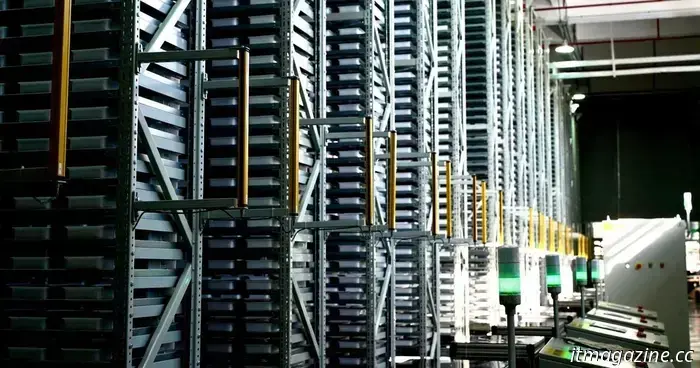 Reciclaje a gran escala impulsado por la IA: cómo ATRenew impulsa la economía circular
ATRenew es una plataforma tecnológica diseñada para dar una segunda vida a los dispositivos electrónicos mediante el reciclaje a gran escala y el reacondicionamiento. Fundada en 2011, la empresa cuenta con más de 2.000 tiendas físicas en 291 ciudades de toda China, ofreciendo sistemas impulsados por datos para teléfonos inteligentes y otros dispositivos electrónicos.
Repensando los procesos de reacondicionamiento
La base de las operaciones de ATRenew es su modelo C2B2C ("consumidor a empresa a consumidor") […]
Reciclaje a gran escala impulsado por la IA: cómo ATRenew impulsa la economía circular
ATRenew es una plataforma tecnológica diseñada para dar una segunda vida a los dispositivos electrónicos mediante el reciclaje a gran escala y el reacondicionamiento. Fundada en 2011, la empresa cuenta con más de 2.000 tiendas físicas en 291 ciudades de toda China, ofreciendo sistemas impulsados por datos para teléfonos inteligentes y otros dispositivos electrónicos.
Repensando los procesos de reacondicionamiento
La base de las operaciones de ATRenew es su modelo C2B2C ("consumidor a empresa a consumidor") […]
 SpaceX recibe un gran impulso para los lanzamientos de Starship desde Cabo Cañaveral
SpaceX ha recibido un impulso importante para sus operaciones de Starship en Cabo Cañaveral, Florida, después de que el Departamento de la Fuerza Aérea (DAF) diera luz verde a la empresa para desarrollar la instalación de lanzamiento Space Launch Complex-37 (SLC-37). Los trabajos de construcción preparatoria en el sitio comenzaron a principios de este año, pero el visto bueno del DAF […]
SpaceX recibe un gran impulso para los lanzamientos de Starship desde Cabo Cañaveral
SpaceX ha recibido un impulso importante para sus operaciones de Starship en Cabo Cañaveral, Florida, después de que el Departamento de la Fuerza Aérea (DAF) diera luz verde a la empresa para desarrollar la instalación de lanzamiento Space Launch Complex-37 (SLC-37). Los trabajos de construcción preparatoria en el sitio comenzaron a principios de este año, pero el visto bueno del DAF […]
 Cómo ver la lluvia de meteoros de las Gemínidas y otros consejos para observar el cielo en diciembre
Diciembre es un mes emocionante para quienes disfrutan mirar al cielo, ya que en las próximas semanas se podrá ver un cometa, una lluvia de meteoros y una conjunción entre la Luna y Júpiter. Cometa 3I/ATLAS. En primer lugar, para quienes dispongan de un telescopio con una apertura de al menos 30 centímetros, este mes ofrece la oportunidad de […]
Cómo ver la lluvia de meteoros de las Gemínidas y otros consejos para observar el cielo en diciembre
Diciembre es un mes emocionante para quienes disfrutan mirar al cielo, ya que en las próximas semanas se podrá ver un cometa, una lluvia de meteoros y una conjunción entre la Luna y Júpiter. Cometa 3I/ATLAS. En primer lugar, para quienes dispongan de un telescopio con una apertura de al menos 30 centímetros, este mes ofrece la oportunidad de […]
 Después de usar el OnePlus 15 durante cinco semanas, he descubierto lo que Apple necesita para el iPhone 18.
El OnePlus 15 no es un teléfono perfecto, pero empuja los límites de maneras que las propuestas convencionales suelen pasar por alto. Apple debe prestar atención a las fortalezas del OnePlus 15 si quiere potenciar la gama iPhone 18.
Después de usar el OnePlus 15 durante cinco semanas, he descubierto lo que Apple necesita para el iPhone 18.
El OnePlus 15 no es un teléfono perfecto, pero empuja los límites de maneras que las propuestas convencionales suelen pasar por alto. Apple debe prestar atención a las fortalezas del OnePlus 15 si quiere potenciar la gama iPhone 18.
iPhones available for Lifeline participants: AirTalk Wireless offers accessibility options.
If you’ve been following the Lifeline program – the government initiative aimed at helping low-income Americans maintain connectivity – you might have missed a significant change. AirTalk Wireless, a key provider in this area, has been engaging in an unexpected practice: providing premium smartphones to eligible users. [… ]