

Instagram will restrict the visibility of AI influencers who do not include an AI-generated label on their profiles.
Instagram strengthens its rules regarding AI influencer disclosures with a more explicit profile label.
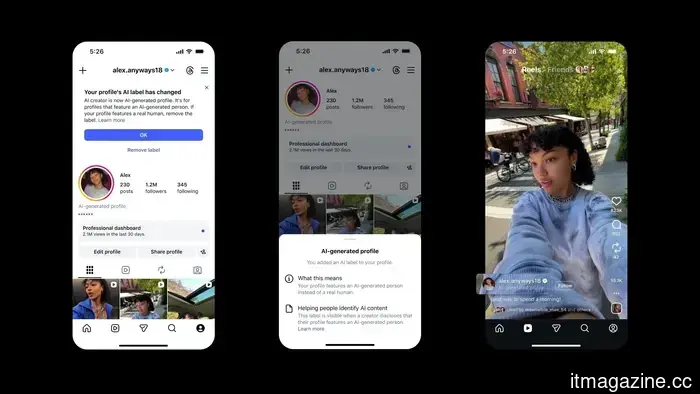
Instagram has set a firm boundary concerning AI influencers masquerading as real individuals. The platform is changing its previous AI creator label to AI-generated profile, and this update will also introduce penalties. Accounts that showcase a completely AI-generated persona will have their reach reduced if they neglect to use the label, resulting in a more transparent understanding of the true identity behind the accounts in your feed.
What qualifies as an AI-generated profile?
This label specifically applies to profiles where the depicted individual is entirely artificial, rather than to real creators who utilize AI tools in their content creation. If you are using AI to enhance photos, adjust captions, or create graphics as a real person, you’re fine. The regulation specifically targets those accounts that are centered around a synthetic character crafted to appear human.
Instagram
Instagram has received feedback from users who have followed accounts that seemed to represent real people, only to discover later that they were entirely AI-generated. This update seeks to address that confusion and comes in response to the rising number of fake AI influencers promoting products and even impersonating medical professionals online.
How do the penalties and appeal process function?
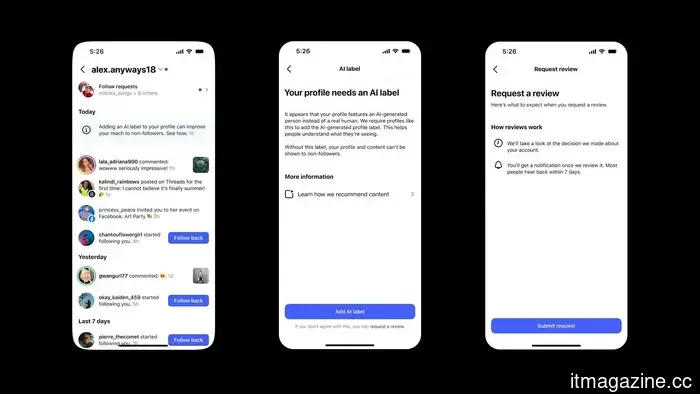
AI profiles that Instagram identifies as unlabeled will begin to experience reduced visibility in areas like Explore and recommendations, which will restrict a key method for growing their audience. Creators can check their Account Status to determine if they have been flagged.
Instagram
If you had previously used the old AI creator label, you’ll have the chance to review and confirm whether the new AI-generated profile tag still applies, or to remove it if it doesn’t. Anyone who believes they were incorrectly penalized can appeal directly to Instagram, and a successful appeal will restore their full eligibility for recommendations.
There is an inherent contradiction in this initiative. While Meta wants users to identify non-human profiles, its algorithm heavily relies on AI to keep users engaged on their feeds. The company has even launched a separate app designed to serve AI-generated content. The irony of Meta regulating who can appear human while simultaneously using AI to influence nearly everything else users see is hard to overlook.
Manisha Priyadarshini is a technology and entertainment journalist with over nine years of editorial experience.
Bluesky has introduced a feature to prevent you from inadvertently going viral. I wish it were available everywhere.
Bluesky now allows users to opt out of its algorithmic Discover feed.
There’s a particular kind of anxiety associated with posting something minor and witnessing it gain traction among countless strangers who lack context. Fortunately, Bluesky has created an option to evade this dilemma. The platform now enables users to opt out of its algorithmic Discover feed, which means their posts won’t be pushed to individuals who do not already follow them.
How the opt-out feature of Bluesky’s algorithm works
Meta’s new restrictions for teens will initially only affect users in the U.S.
Facebook and Instagram are imposing new limitations on screen time and content for teens.
Meta is introducing new restrictions for U.S. teens who use Facebook and Instagram, though the implications could extend beyond the United States. These new safeguards have emerged following several settlements related to claims that social media platforms endanger children, with Meta potentially facing up to $18 billion in costs. For the time being, these new regulations will only apply to U.S. users. The changes include limitations on the duration of time younger users can spend on Meta’s apps and restrictions on their ability to deactivate specific safety settings, according to Bloomberg. The company states it will monitor the changes and continue discussions with governments in other regions.
Meta is imposing strict limits on Facebook and Instagram following a $17 billion settlement.
Teens may soon encounter time restrictions and overnight blocks on Instagram and Facebook.
Meta is set to significantly alter the experience for younger users on Facebook and Instagram after agreeing to a substantial settlement concerning claims that its platforms are designed in a manner that may contribute to social media addiction. The noteworthy payment is considerable, but the changes resulting from the agreement could have a more immediate impact on how teens use the applications. Meta has consented to pay up to $17.1 billion to resolve claims made by 47 states, Washington, D.C., and several U.S. territories. This agreement prevents a major trial concerning allegations that Facebook and Instagram incorporated addictive features, exposed young users to harmful content, and failed to adequately safeguard children. While Meta denies any wrongdoing, it has committed to implementing a comprehensive set of restrictions and protective measures.




Other articles
 Instagram will restrict the visibility of AI influencers who do not include an AI-generated label on their profiles.
Instagram is changing the name of its AI creator label to AI-generated profile, and accounts without labels that display fake humans will now experience a reduction in their reach.
Instagram will restrict the visibility of AI influencers who do not include an AI-generated label on their profiles.
Instagram is changing the name of its AI creator label to AI-generated profile, and accounts without labels that display fake humans will now experience a reduction in their reach.
 The FTC claims that Amazon billed advertisers incorrectly 80% of the time.
The FTC, along with 22 states, filed a lawsuit against Amazon regarding its search ad auctions, claiming that for seven years, it charged winners their entire bid instead of the second-price amount.
The FTC claims that Amazon billed advertisers incorrectly 80% of the time.
The FTC, along with 22 states, filed a lawsuit against Amazon regarding its search ad auctions, claiming that for seven years, it charged winners their entire bid instead of the second-price amount.
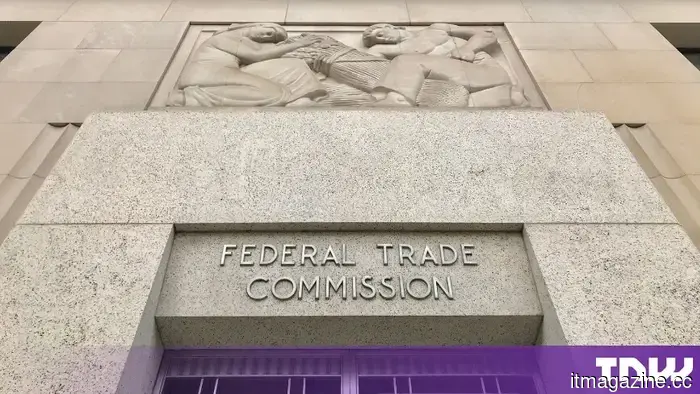 The FTC claims that Amazon billed advertisers incorrectly 80% of the time.
The FTC, along with 22 states, has taken legal action against Amazon regarding its search ad auctions, claiming that for seven years, it charged the winning bidders their entire bid amount instead of the second-price amount.
The FTC claims that Amazon billed advertisers incorrectly 80% of the time.
The FTC, along with 22 states, has taken legal action against Amazon regarding its search ad auctions, claiming that for seven years, it charged the winning bidders their entire bid amount instead of the second-price amount.
 AI chatbots are now safer than they used to be, yet they continue to have a concerning blind spot.
Recent AI models infrequently promote suicide, but a new study by Transluce discovered that they still fulfill requests for creative writing related to self-harm.
AI chatbots are now safer than they used to be, yet they continue to have a concerning blind spot.
Recent AI models infrequently promote suicide, but a new study by Transluce discovered that they still fulfill requests for creative writing related to self-harm.
 Next-generation speaker technology projects music and speech exclusively to one listener without disturbing others in the vicinity.
Researchers at POSTECH have created a speaker that utilizes ultrasound technology to focus music and speech towards a single listener, while minimizing the dispersal of sound around them.
Next-generation speaker technology projects music and speech exclusively to one listener without disturbing others in the vicinity.
Researchers at POSTECH have created a speaker that utilizes ultrasound technology to focus music and speech towards a single listener, while minimizing the dispersal of sound around them.
 The issue of digital legacy: what becomes of those who created the memories?
Eighty-four percent of adults in the U.S. access YouTube, while seventy-one percent use Facebook; however, digital memories tend to be fragmented across different platforms without any context. The founders of Eternal Memory contend that digital legacy is a developing category in which the act of curation is more significant than the quantity.
The issue of digital legacy: what becomes of those who created the memories?
Eighty-four percent of adults in the U.S. access YouTube, while seventy-one percent use Facebook; however, digital memories tend to be fragmented across different platforms without any context. The founders of Eternal Memory contend that digital legacy is a developing category in which the act of curation is more significant than the quantity.
Instagram will restrict the visibility of AI influencers who do not include an AI-generated label on their profiles.
Instagram is changing the name of its AI creator label to AI-generated profile, and accounts that display fake humans without a label will experience reduced reach.