
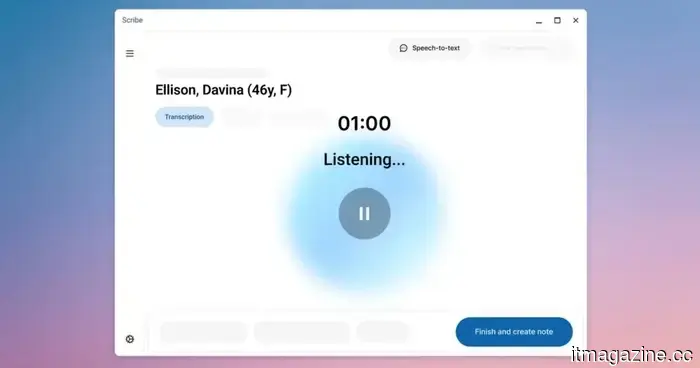
Health advocates in the UK are cautioning that AI transcription tools may pose a risk to patients.
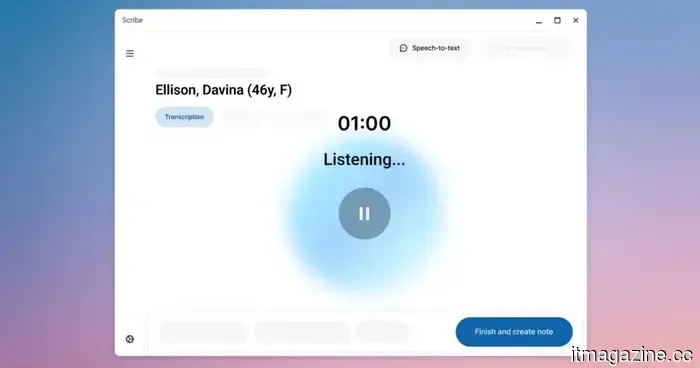
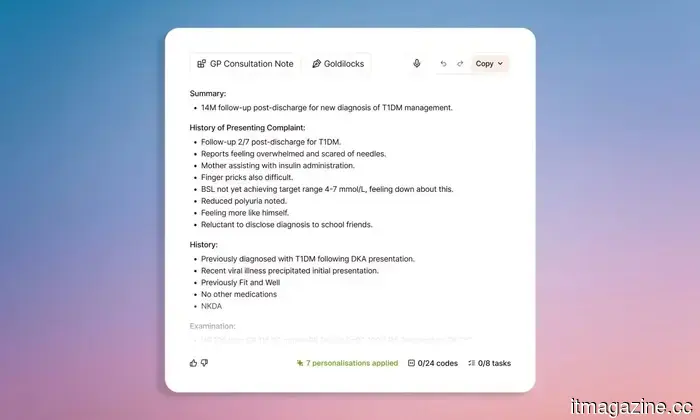
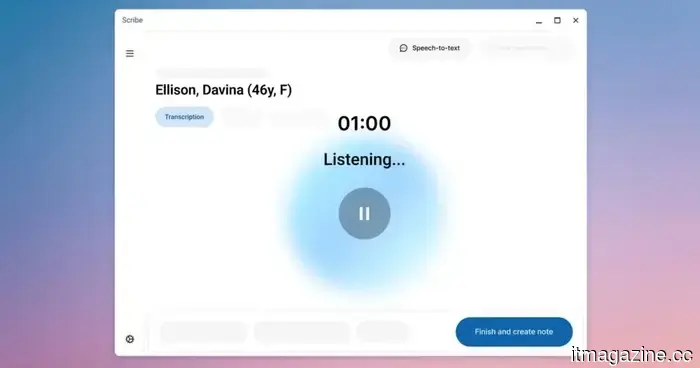
AI scribes are increasingly being utilized in medical practices to reduce the burden of documentation, although recent discoveries indicate that these automated transcripts can cause significant errors in patient records.
AI scribes are misrepresenting diagnoses and prescriptions
A report from The Guardian has brought attention to how automated transcription tools are frequently mishandling medical records in the UK. According to data from Healthwatch England, an independent patient advocacy organization, patients have been identifying major transcription mistakes that threaten their health if not corrected.
In one troubling case, an AI tool misreported an MRI summary, stating that a patient had demyelination, a serious condition associated with multiple sclerosis, when the scan actually showed "null demyelination," indicating there was no issue. Other instances documented AI tools confusing similar medication names or failing to include essential instructions for repeat prescriptions. Patient advocates warn that such inaccuracies could lead to permanent distortions in medical records, particularly if overwhelmed clinicians approve these generated transcripts without thoroughly reviewing them.
A global issue without safety regulations
This problem transcends the specific incidents in the UK. Recently, Australian health authorities released a warning to doctors about the risks of overly relying on unverified AI transcription software, highlighting significant privacy concerns along with clinical safety issues. In both regions, healthcare practitioners are managing numerous unregulated AI tools that can fabricate entire conversations, even including unmentioned psychiatric drugs like Prozac in patient records.
In the United States, the situation is exacerbated as regulators have opted not to classify AI scribes as medical devices, leaving healthcare systems without centralized oversight to ensure the accuracy of these tools before deployment. Instead of saving time, these flawed AI assistants are compelling clinicians to verify each transcript for inaccuracies, undermining the intended purpose of implementing such technology.



Other articles
 Health advocates in the UK are cautioning that AI transcription tools may pose risks to patient safety.
AI transcription tools are becoming more prevalent in medical practices, but health advocates in the UK are cautioning that critical mistakes in diagnoses, prescriptions, and records could endanger patients.
Health advocates in the UK are cautioning that AI transcription tools may pose risks to patient safety.
AI transcription tools are becoming more prevalent in medical practices, but health advocates in the UK are cautioning that critical mistakes in diagnoses, prescriptions, and records could endanger patients.
 The issue of digital legacy: what becomes of those who created the memories?
Eighty-four percent of adults in the U.S. access YouTube, while seventy-one percent use Facebook; however, digital memories tend to be fragmented across different platforms without any context. The founders of Eternal Memory contend that digital legacy is a developing category in which the act of curation is more significant than the quantity.
The issue of digital legacy: what becomes of those who created the memories?
Eighty-four percent of adults in the U.S. access YouTube, while seventy-one percent use Facebook; however, digital memories tend to be fragmented across different platforms without any context. The founders of Eternal Memory contend that digital legacy is a developing category in which the act of curation is more significant than the quantity.
 Reform UK aims to eliminate the UK GDPR and adopt New Zealand’s privacy legislation as a model.
Nigel Farage aims to replace the UK GDPR with a system similar to that of New Zealand, asserting that this change would not jeopardize Britain's data adequacy status with the EU.
Reform UK aims to eliminate the UK GDPR and adopt New Zealand’s privacy legislation as a model.
Nigel Farage aims to replace the UK GDPR with a system similar to that of New Zealand, asserting that this change would not jeopardize Britain's data adequacy status with the EU.
 Next-generation speaker technology transmits music and speech directly to a single listener without disturbing those around them.
Researchers at POSTECH have created an ultrasound speaker that focuses music and speech towards a single listener, preventing the sound from dispersing broadly in the surrounding area.
Next-generation speaker technology transmits music and speech directly to a single listener without disturbing those around them.
Researchers at POSTECH have created an ultrasound speaker that focuses music and speech towards a single listener, preventing the sound from dispersing broadly in the surrounding area.
 Why the Upcoming Era of Home AI Comes Equipped with Wheels and Empathy
Smart speakers listen for commands, but the future of home technology advances alongside you. OlloBot is transforming artificial intelligence into an expressive, mobile companion. What unfolds when smart technology incorporates wheels, expressive eyes, and a physical memory, demonstrating that the next phase of home AI is not focused on quicker responses?
Why the Upcoming Era of Home AI Comes Equipped with Wheels and Empathy
Smart speakers listen for commands, but the future of home technology advances alongside you. OlloBot is transforming artificial intelligence into an expressive, mobile companion. What unfolds when smart technology incorporates wheels, expressive eyes, and a physical memory, demonstrating that the next phase of home AI is not focused on quicker responses?
 Oslo doesn’t require fast chargers in every location, and it demonstrates this on a daily basis.
Approximately 78% of Oslo's 4,519 public charging stations are slow AC chargers, and almost half of the vehicles in the city are electric. The right to plug in across Europe will take effect in May 2026.
Oslo doesn’t require fast chargers in every location, and it demonstrates this on a daily basis.
Approximately 78% of Oslo's 4,519 public charging stations are slow AC chargers, and almost half of the vehicles in the city are electric. The right to plug in across Europe will take effect in May 2026.
Health advocates in the UK are cautioning that AI transcription tools may pose a risk to patients.
AI transcription tools are becoming more prevalent in medical offices, but health advocates in the UK are cautioning that significant mistakes in diagnoses, prescriptions, and records might endanger patients.