
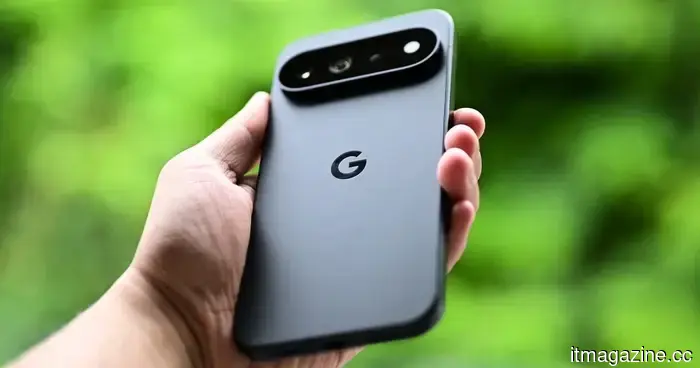
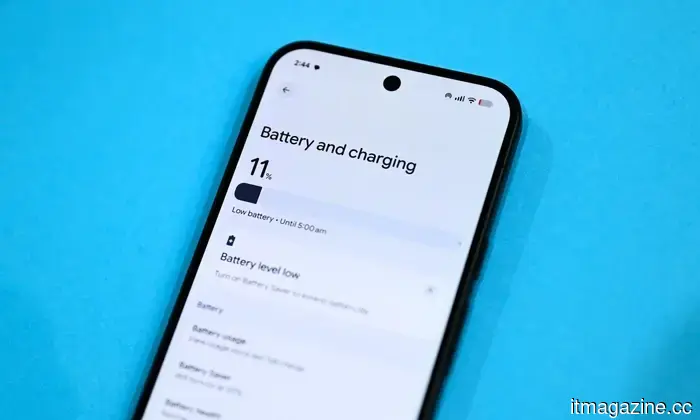
A few days in, the battery life of the Pixel 11 Pro XL hasn't been great for me so far.
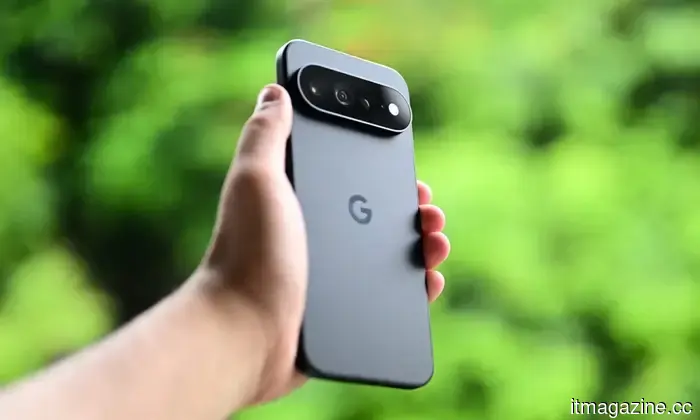
I've been testing the Pixel 11 Pro XL, and among all the features Google highlighted during the launch event, such as the Magic Capture option, the RGB HiLight module, and Gemini Intelligence, my biggest concern was one that received little attention: battery life.
This year, Google actually reduced the physical battery capacity from 5,200mAh to 5,115mAh. If there's one limitation that AI can’t compensate for, it’s the physical capabilities of a battery. While manufacturers are employing increasingly sophisticated AI-driven battery management systems to extend the runtime from a single charge, the actual battery capacity continues to be a crucial standard in the Android realm, a statement I can’t entirely apply to iPhones.
Shikhar Mehrotra / Digital Trends
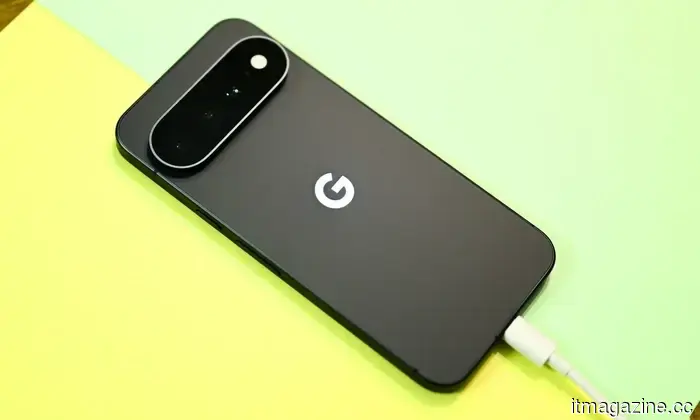
I approached the Pixel 11 Pro XL experience with one essential question: how long does Google's priciest flagship last between charges? After 72 hours of usage, I can't say I'm impressed, and I find myself a bit concerned yet still hopeful.
So, how does the Pixel 11 Pro XL perform in reality?
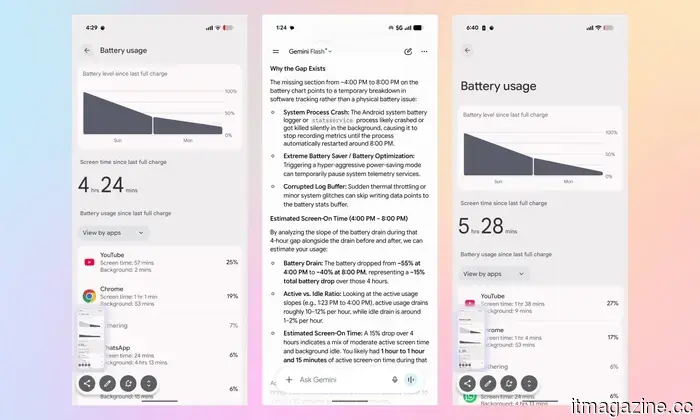
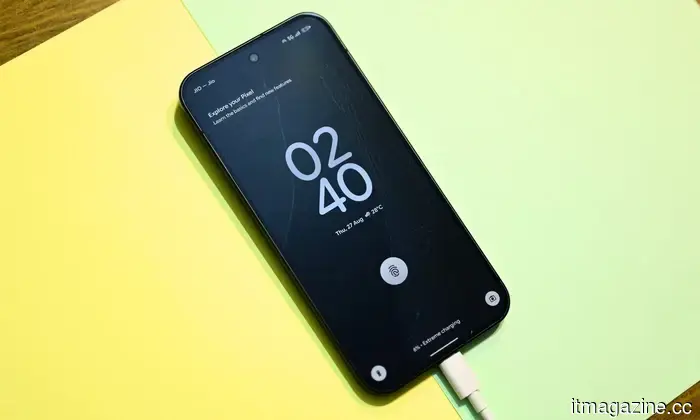
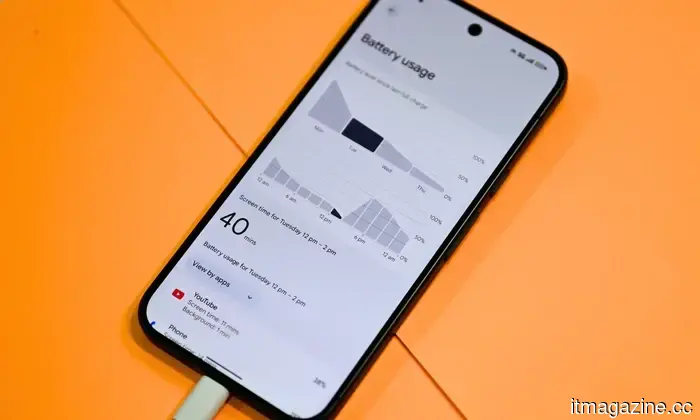
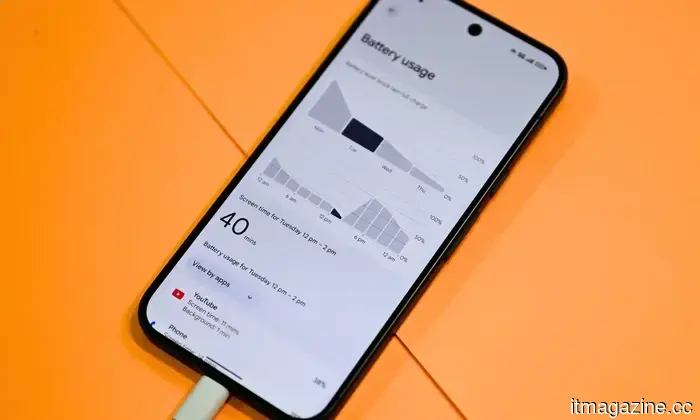
On the first day, after charging the device to 100% for the first time, it registered only 4 hours and 24 minutes of screen-on time before I recharged it at 15% battery. This surprised me, but when I examined the battery usage graph further, I noticed something: the phone's battery log was blank for about four hours, which is a known issue with Android.
Shikhar Mehrotra / Digital Trends
I didn’t want to overlook the data, so I asked Gemini’s new Device Help function to estimate the missing screen-on time based on the energy drain. It estimated an additional screen-on time of about 1 hour to 1 hour 15 minutes. Adding that to the recorded time, I arrived at a total screen-on time of roughly 5 hours 30 minutes to 5 hours 45 minutes.
Day two didn't show significant improvements either. According to Google’s system service tracker, I achieved approximately 5 hours and 28 minutes of screen-on time before the battery fell back into the red, reaching the upper single digits. On the third day, I noticed a slight improvement of 10 to 15 minutes, but the total screen-on time still lingered under 6 hours.
Shikhar Mehrotra / Digital Trends
It's worth noting that this was with a 5G SIM, mixed usage between cellular and Wi-Fi networks, and location services enabled.
Here’s why this worries me
Google asserts that the chipset is up to 20% more power-efficient compared to the Tensor G5 in the Pixel 10 series. Considering both chips use TSMC’s 3nm fabrication process—not the 2nm node some pre-launch leaks suggested—this is a bold claim that makes my initial battery results all the more challenging to reconcile.
If the newer chip genuinely consumes less power, I shouldn't be averaging around five and a half hours of light to mixed normal usage, involving browsing, messaging, watching a few YouTube videos, and snapping a few pictures here and there, nothing too taxing. And this is before even conducting benchmark and gaming evaluations that I plan to include in the full review.
Shikhar Mehrotra / Digital Trends
I define this as light usage, perhaps hovering between light and moderate, but definitely not heavy usage. Therefore, I expect more than six hours of screen-on time from a premier Android flagship. For a phone of this price, six hours should not feel like the upper limit for everyday use. When comparing to other options in the market within the same segment, the discrepancy becomes clear.
And the competition doesn't bolster Google's position
Take the Galaxy S26 Ultra, which with the Snapdragon 8 Elite Gen 5 chipset and a 5,000mAh battery, offers around 5 to 6 hours of screen-on time with heavy usage, rising to approximately 8 hours with light usage. The iPhone 17 Pro Max, Apple’s previous flagship, also delivers between 5 to 7 hours of screen-on time under heavy use, and up to about 9 hours with light activity.
Shikhar Mehrotra / Digital Trends
Do you see the difference? The Pixel 11 Pro XL is providing the same screen-on time with light usage that other flagships achieve with moderate to heavy usage. For me, that difference is hard to overlook, particularly when competing devices boast around 10 hours of screen-on time, like the OnePlus 15, which features a 7,300mAh battery. Unfortunately, that brand's flagships aren't available in North America and Canada.
Yes, you can spread those 5 to 6 hours of screen-on time over 30+ hours, as Google suggests, but during those 30 hours, I still find myself reaching for another device for an additional four to five hours just to finish the day. At this point, I
Другие статьи
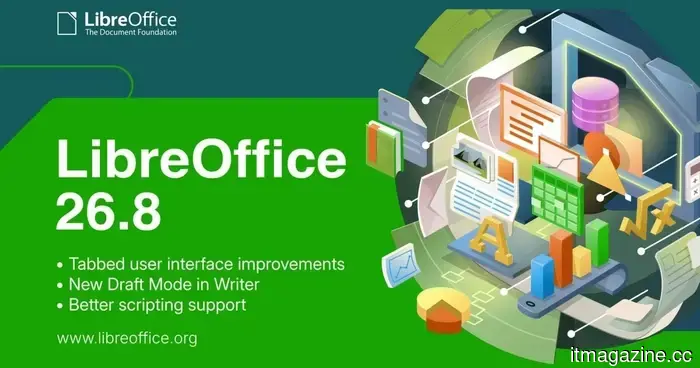 LibreOffice 26.8 добавляет множество приятных функций и отказывается навязывать ИИ вам в лицо.
Фонд Документов выпустил LibreOffice 26.8, предлагая более умную типографику абзацев, расширенные инструменты для работы с таблицами и отсутствие навязчивых функций ИИ в офисном пакете с открытым исходным кодом.
LibreOffice 26.8 добавляет множество приятных функций и отказывается навязывать ИИ вам в лицо.
Фонд Документов выпустил LibreOffice 26.8, предлагая более умную типографику абзацев, расширенные инструменты для работы с таблицами и отсутствие навязчивых функций ИИ в офисном пакете с открытым исходным кодом.
 Искусственные интеллектуальные ресепшенисты кажутся опасной идеей после того, как пациентка сообщила, что они не поняли её запрос.
Искусственные интеллектуальные ресепшенисты внедряются для обработки звонков к врачам общей практики и сокращения времени ожидания, но жалобы пациентов вызывают опасения по поводу доступности, коммуникации и человеческой поддержки.
Искусственные интеллектуальные ресепшенисты кажутся опасной идеей после того, как пациентка сообщила, что они не поняли её запрос.
Искусственные интеллектуальные ресепшенисты внедряются для обработки звонков к врачам общей практики и сокращения времени ожидания, но жалобы пациентов вызывают опасения по поводу доступности, коммуникации и человеческой поддержки.
 Huawei планирует больше партнерств в области ИИ в фармацевтике, в основном с китайскими производителями лекарств.
Президент здравоохранения Huawei заявил, что ожидается больше сотрудничества с фармацевтическими компаниями, при этом проекты в основном будут связаны с отечественными китайскими производителями лекарств.
Huawei планирует больше партнерств в области ИИ в фармацевтике, в основном с китайскими производителями лекарств.
Президент здравоохранения Huawei заявил, что ожидается больше сотрудничества с фармацевтическими компаниями, при этом проекты в основном будут связаны с отечественными китайскими производителями лекарств.
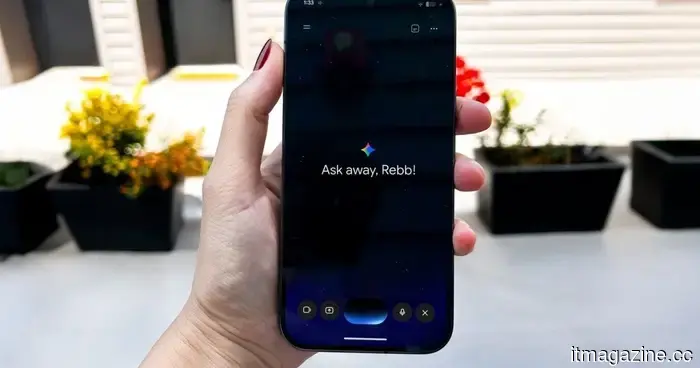 Gemini 3.5 Transcribe хочет, чтобы вы перестали беспокоиться о том, чтобы быть идеальным собеседником.
Генератор Google Gemini 3.5 автоматически удаляет слова-паразиты, такие как "э" и "мм", из вашей речи, превращая бессвязные высказывания в чистый, отформатированный текст.
Gemini 3.5 Transcribe хочет, чтобы вы перестали беспокоиться о том, чтобы быть идеальным собеседником.
Генератор Google Gemini 3.5 автоматически удаляет слова-паразиты, такие как "э" и "мм", из вашей речи, превращая бессвязные высказывания в чистый, отформатированный текст.
 Баррет Зоф возвращается в Google, спустя шесть лет и два стартапа.
Сооснователь лаборатории Thinking Machines Баррет Зоф присоединяется к Google DeepMind в качестве вице-президента по исследованиям, всего через несколько недель после того, как Демис Хассабис ушел с поста генерального директора.
Баррет Зоф возвращается в Google, спустя шесть лет и два стартапа.
Сооснователь лаборатории Thinking Machines Баррет Зоф присоединяется к Google DeepMind в качестве вице-президента по исследованиям, всего через несколько недель после того, как Демис Хассабис ушел с поста генерального директора.
 Nvidia сообщила о выручке в $96,2 млрд за второй квартал.
Nvidia сообщила о доходах в размере 96,2 миллиарда долларов и представила свой первый прогноз на следующий год, при этом финансовый директор напрямую обсудил круговое финансирование во время звонка.
Nvidia сообщила о выручке в $96,2 млрд за второй квартал.
Nvidia сообщила о доходах в размере 96,2 миллиарда долларов и представила свой первый прогноз на следующий год, при этом финансовый директор напрямую обсудил круговое финансирование во время звонка.
A few days in, the battery life of the Pixel 11 Pro XL hasn't been great for me so far.
After 72 hours of using the Pixel 11 Pro XL, I'm achieving less than 6 hours of screen-on time, which is significantly lower than the Galaxy S26 Ultra and iPhone 17 Pro Max.