
Xiaomi's latest Xring O3 is manufactured by TSMC and is targeted at several hundred thousand smartphones.
Xiaomi has introduced the Xring O3, a system-on-chip that TSMC will produce using its 3-nanometre process, as reported by two sources familiar with the situation speaking to Reuters. This chip integrates computing, graphics, AI processing, and imaging capabilities onto a single die and comes at a challenging time for the smartphone industry, which is experiencing squeezed margins due to declining profits and memory prices affecting the segment it aims to stand out in.
When Reuters inquired, neither Xiaomi nor TSMC confirmed their manufacturing partnership. The announcement of the chip came from Xiaomi, but details about the foundry arrangement and associated production numbers originated from sources, not the companies themselves.
Those production figures are particularly noteworthy. The O3 is designated for Xiaomi’s upcoming flagship folding smartphone, with expected shipments ranging between 200,000 and 300,000 units. For a company that sells tens of millions of devices each quarter, this number is relatively small and follows the trend set by the previous generation. The Xring O1, which launched in May 2025, achieved over a million total shipments across smartphones, tablets, and watches, yet only about 150,000 of those were smartphones.
Creating custom silicon at these volumes is not primarily about cost. Designing a state-of-the-art SoC and securing 3nm production capability to manufacture a few hundred thousand units demonstrates that the technology is viable, serving a different purpose than usurping Qualcomm and MediaTek in the supply chain.
All leading premium manufacturers that pursued this path began similarly. Apple, Samsung, and Huawei developed in-house processors to set their flagship devices apart and decrease reliance on external suppliers. Xiaomi has sought to enter this space since the introduction of the Surge S1 in 2017, an initiative that faltered and led the chipset division to focus on connectivity and IoT components for years.
Choosing a folding phone aligns with this strategy because foldable devices are low-volume, high-margin products purchased by consumers willing to pay a premium, making them an ideal setting for a first-generation component while also mitigating risks related to yield economics.
The choice of manufacturing node is also significant. The Xring series has remained within TSMC’s 3nm family instead of advancing to 2nm, with reports indicating the O2 is based on the N3P variant, placing Xiaomi a step behind components that will shape next year’s high-end Android market.
Cost considerations likely influence this decision. TSMC has not ruled out further price increases due to rising manufacturing expenses, and top-tier wafer allocation is highly competitive among companies with much larger budgets and order volumes than a smartphone maker working on a high-profile project.
Importantly, Xiaomi can do something that Huawei cannot. Xiaomi is not subject to the U.S. restrictions that prevented Huawei from partnering with TSMC, allowing it to purchase cutting-edge capacity from Taiwan, while its domestic competitor navigates the export control regimen with capabilities that Chinese foundries currently offer.
This advantage clarifies why a Chinese enterprise developing advanced silicon in 2026 does not necessarily imply that it will be produced domestically, a nuance often overlooked in discussions about the country's chip initiatives. In contrast, BYD opted to take the local route with China’s initial 4nm driving chip.
The timing poses challenges. Xiaomi is already grappling with increased component costs due to memory shortages, and introducing a custom processor to a flagship device is not the most intuitive strategy for a business observing declining margins.
Xiaomi has not disclosed specifications for the O3, the name of the folding phone it will feature in, or a release date. It has also not indicated whether the chip will extend to its tablets, wearables, cars, and PCs, which comprise the rest of its hardware offerings.
Reuters provided the story from Beijing. Whether the O3 signifies a shift for Xiaomi’s silicon from a demonstration of capability to a functional supply chain will likely be determined by the second device that incorporates it, rather than the first.
Otros artículos
 Velocity названа Платформой года в области AdTech, так как ИИ изменяет цифровую рекламу
Аналитик TVC назвал платформу Velocity AdTech Годом, так как стартап с финансированием в $27 млн создает инфраструктуру рекламы, ориентированной на намерения, для приложений ИИ. Доходы от цифровой рекламы в США достигнут $294,6 млрд в 2025 году.
Velocity названа Платформой года в области AdTech, так как ИИ изменяет цифровую рекламу
Аналитик TVC назвал платформу Velocity AdTech Годом, так как стартап с финансированием в $27 млн создает инфраструктуру рекламы, ориентированной на намерения, для приложений ИИ. Доходы от цифровой рекламы в США достигнут $294,6 млрд в 2025 году.
 Самая горячая новая технологическая тенденция — это медленное текстовое сообщение, и это действительно имеет смысл.
Приложения, такие как Carrier Pidge и Roost, делают медленное общение последним трендом технологий, поскольку пользователи ищут перерыв от постоянных уведомлений и цифровой перегрузки.
Самая горячая новая технологическая тенденция — это медленное текстовое сообщение, и это действительно имеет смысл.
Приложения, такие как Carrier Pidge и Roost, делают медленное общение последним трендом технологий, поскольку пользователи ищут перерыв от постоянных уведомлений и цифровой перегрузки.
 Работодатель или организация: выберите, прежде чем кто-то выберет за вас
Подрядчик, зарегистрированный подрядчик, работодатель по записи или ваша собственная организация? Рамки затрат и рисков для найма в Европе с реальными ценами на 2026 год.
Работодатель или организация: выберите, прежде чем кто-то выберет за вас
Подрядчик, зарегистрированный подрядчик, работодатель по записи или ваша собственная организация? Рамки затрат и рисков для найма в Европе с реальными ценами на 2026 год.
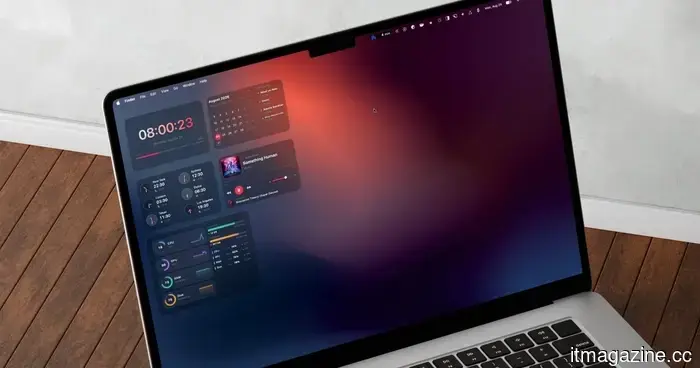 Я никогда не интересовался виджетами для рабочего стола Mac, пока не нашел это приложение.
Мне никогда не нравились виджеты macOS, пока я не нашел приложение с более красивыми и настраиваемыми виджетами, чем у Apple. Вот полный обзор.
Я никогда не интересовался виджетами для рабочего стола Mac, пока не нашел это приложение.
Мне никогда не нравились виджеты macOS, пока я не нашел приложение с более красивыми и настраиваемыми виджетами, чем у Apple. Вот полный обзор.
 Thomson Reuters создала свою собственную модель на китайской открытой базе.
Thomson Reuters потратила 40 миллионов долларов на Thomson, свою первую внутреннюю модель. В объявлении говорится об открытой исходной базе. Ее технический директор говорит о Qwen от Alibaba.
Thomson Reuters создала свою собственную модель на китайской открытой базе.
Thomson Reuters потратила 40 миллионов долларов на Thomson, свою первую внутреннюю модель. В объявлении говорится об открытой исходной базе. Ее технический директор говорит о Qwen от Alibaba.
 Twitch и Amazon столкнулись с коллективным иском по поводу обучения ИИ на основе прямых трансляций
Коллективный иск утверждает, что Twitch переписал свои Условия обслуживания 12 августа, в тот же день, когда он объявил о возможности отказаться от ИИ. Amazon является упомянутым аффилированным лицом.
Twitch и Amazon столкнулись с коллективным иском по поводу обучения ИИ на основе прямых трансляций
Коллективный иск утверждает, что Twitch переписал свои Условия обслуживания 12 августа, в тот же день, когда он объявил о возможности отказаться от ИИ. Amazon является упомянутым аффилированным лицом.
Xiaomi's latest Xring O3 is manufactured by TSMC and is targeted at several hundred thousand smartphones.
Xiaomi's Xring O3 will be produced by TSMC using a 3nm process for a premium folding smartphone, aiming for a production of 200,000 to 300,000 units.