
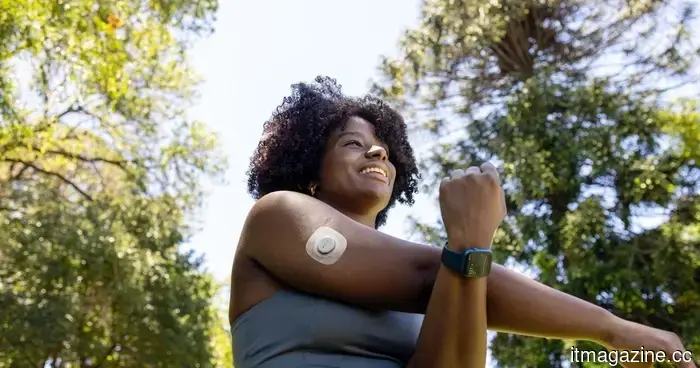
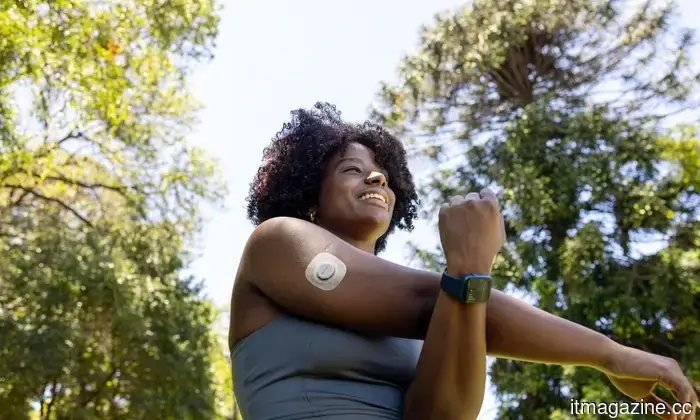
Datamaxxing is the newest trend in AI, and this time, it may actually benefit your health objectives.
Feeding fitness data into AI can transform unexplained health metrics into engaging discussions, yet placing trust in it as a medical source is a different issue altogether.
Datamaxxing may sound like a wellness trend that revolves around spreadsheets, several supplements, and excessive free time. However, the core concept is quite practical. Individuals are inputting data from their wearable devices into AI chatbots, seeking explanations for their metrics. The Wall Street Journal recently highlighted several users creating systems centered around this idea.
There is a real opportunity for AI to address this need. A 2026 Nature Communications study indicated that while wearables excel at generating summaries, they fall short in providing personalized insights regarding individual data. An AI agent developed by the researchers achieved 84% accuracy in responding to objective numeric inquiries.
Why AI enhances what trackers miss
Your smartwatch may inform you that your sleep quality was worse than usual or that your recovery score has decreased. However, it often lacks the ability to clarify these changes in a meaningful way.
AI has the potential to make this data more conversational. Rather than just looking at graphs, you could inquire about how your recent sleep compares to earlier weeks or whether a change correlates with your training regimen.
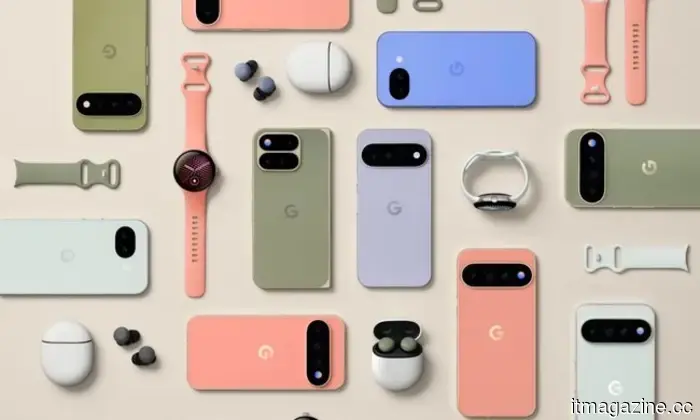
Companies producing wearables are already heading in this direction. Oura states that 60% of users who tested Oura Advisor reported it helped them better understand metrics that were previously unclear. Google Health Coach follows a similar path, providing personalized advice regarding fitness and sleep.
Datamaxxing is essentially the at-home equivalent of this experience.
How effective can an AI coach be?
There is some evidence suggesting these systems can provide more than just chart explanations. A 2025 Nature Medicine study assessed Google’s Personal Health Large Language Model across 857 cases of sleep and fitness. Its fitness responses were comparable to those from human specialists, while its personalized sleep insights were enhanced compared to the basic Gemini model.
However, this does not equate to a chatbot being a healthcare professional. It indicates that AI can be valuable when tasked with identifying patterns in data that you are already monitoring rather than dispensing medical advice.
Where datamaxxing might fail
Even highly specialized systems can generate inaccuracies or misinterpret user data. These errors become significantly more problematic when discussions shift from fitness coaching to medical recommendations.
A 2025 clinical case report described a 60-year-old man who developed bromism after substituting sodium bromide for table salt over three months. The authors lacked his initial ChatGPT logs, rendering them unable to confirm what the chatbot communicated to him.
Datamaxxing appears to be most beneficial when AI assists in interpreting your existing health data. However, once it starts proposing diagnoses or treatments, the smartwatch experiment has entered a realm better suited for healthcare professionals.




Other articles
 Meta is up against 29 states in the largest trial regarding youth social media to date, with $1.4 trillion on the line.
Twenty-nine US states claim that Meta created Instagram and Facebook to ensnare children. With the largest trial addressing youth harm beginning in Oakland, the design modifications being requested could be more significant than the financial implications.
Meta is up against 29 states in the largest trial regarding youth social media to date, with $1.4 trillion on the line.
Twenty-nine US states claim that Meta created Instagram and Facebook to ensnare children. With the largest trial addressing youth harm beginning in Oakland, the design modifications being requested could be more significant than the financial implications.
 Tencent's expenses for AI computing have surpassed its cash flow, leading to a contingency plan that involves becoming a landlord.
Tencent's capital expenditure increased by 176% to 52.8 billion yuan, and free cash flow became negative. Executives mentioned that the alternative is to rent out the computing resources at cost recovery.
Tencent's expenses for AI computing have surpassed its cash flow, leading to a contingency plan that involves becoming a landlord.
Tencent's capital expenditure increased by 176% to 52.8 billion yuan, and free cash flow became negative. Executives mentioned that the alternative is to rent out the computing resources at cost recovery.
 ChatGPT and Gemini differ on the top software in approximately one-third of the categories, and the review websites have been overlooked.
A study that analyzed 9,978 responses revealed that ChatGPT and Gemini identified different top software in one-third of the 126 categories. Only 5% of all citations came from review sites.
ChatGPT and Gemini differ on the top software in approximately one-third of the categories, and the review websites have been overlooked.
A study that analyzed 9,978 responses revealed that ChatGPT and Gemini identified different top software in one-third of the 126 categories. Only 5% of all citations came from review sites.
 BYD has just released a $16,000 vehicle, escalating an electric vehicle price war that the U.S. cannot match.
The new BYD Seal 06 begins at $14,700 for the plug-in hybrid version and $16,100 for the full electric vehicle, offering fast charging, an extended range, and advanced technology at budget-friendly prices.
BYD has just released a $16,000 vehicle, escalating an electric vehicle price war that the U.S. cannot match.
The new BYD Seal 06 begins at $14,700 for the plug-in hybrid version and $16,100 for the full electric vehicle, offering fast charging, an extended range, and advanced technology at budget-friendly prices.
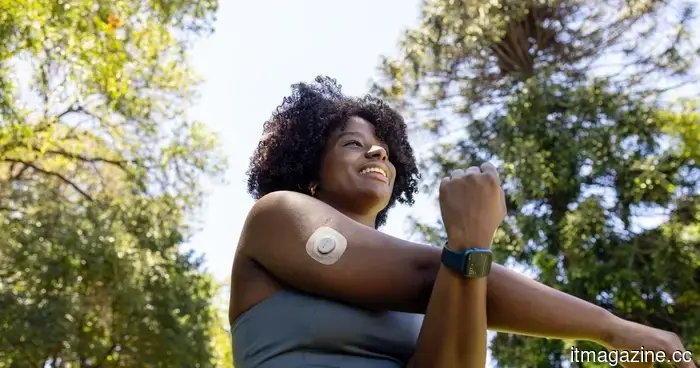 Datamaxxing is the newest trend in AI, and this time, it might actually benefit your health objectives.
Datamaxxing provides AI with access to wearable health information, allowing it to clarify patterns that your smartwatch may not fully explain. Studies indicate that the concept holds potential, but offering medical advice is a risky boundary to traverse.
Datamaxxing is the newest trend in AI, and this time, it might actually benefit your health objectives.
Datamaxxing provides AI with access to wearable health information, allowing it to clarify patterns that your smartwatch may not fully explain. Studies indicate that the concept holds potential, but offering medical advice is a risky boundary to traverse.
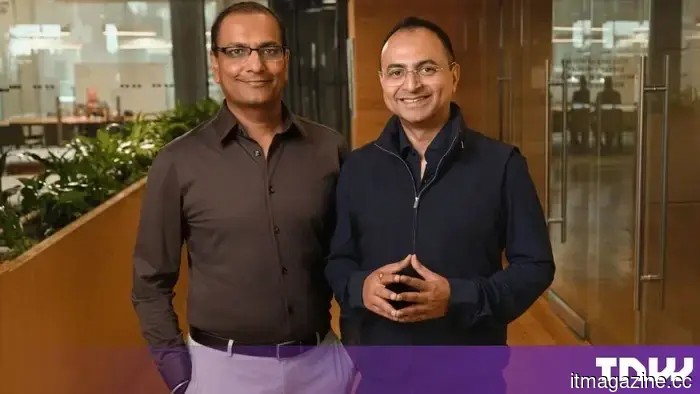 Skan AI secures $63 million to observe the actual work patterns of office employees and subsequently create agents that replicate their behaviors.
Skan AI secured $63 million to document employee activities on screens and subsequently create agents that can perform those same tasks. Seven out of the top ten largest banks in the US are among its clients.
Skan AI secures $63 million to observe the actual work patterns of office employees and subsequently create agents that replicate their behaviors.
Skan AI secured $63 million to document employee activities on screens and subsequently create agents that can perform those same tasks. Seven out of the top ten largest banks in the US are among its clients.
Datamaxxing is the newest trend in AI, and this time, it may actually benefit your health objectives.
Datamaxxing allows AI to access health data from wearables, enabling it to clarify patterns that your smartwatch may not fully explain. Studies indicate that this concept holds potential, but providing medical advice still poses significant risks.