

WhatsApp is simplifying the process for channel admins to label posts generated by AI.
Not every image shared in your preferred channel is as authentic as it appears.
Rachit Agarwal / Digital Trends
WhatsApp has previously allowed channel admins to indicate sponsored posts with a paid partnership label, a feature that began rolling out last month on both Android and iOS. Now, the app is developing a similar functionality specifically for AI-generated content. This initiative aims to inform followers when a photo or video was not taken with a camera but created using AI.
How will the new AI label function?
WaBetaInfo has identified this feature in the WhatsApp beta for Android, version 2.26.31.1, available on the Google Play Store. Once activated, admins will have the option to tap and hold an update featuring AI-generated media to access the context menu, where a new "Add AI content label" will be available.
By selecting this option, a visible tag will be attached to the message bubble, notifying followers that they are viewing AI-generated content. After the label is added, it seems that admins won't be able to remove it, so it's advisable to confirm before sharing.
However, not all content requires the label. Standard text messages, even those created with WhatsApp's Writing Help tool, appear to be exempt from this rule.
Why is this AI label important for admins?
It turns out that the necessity of this label extends beyond being a responsible digital user. Numerous countries now have regulations mandating apps to disclose AI-generated media, and this label provides admins an uncomplicated way to ensure compliance without additional complications. Importantly, the label does not favor any specific tool; whether an image is made using Meta AI, ChatGPT, Gemini, or any other platform, the label is applied uniformly.
Meta
Currently, this feature is still in development within the Android beta, and testers do not have access to it yet. WhatsApp is also working on implementing this label for iOS, ensuring it won’t remain an Android-only feature for long. There is no indication yet on when it will be publicly released, but we will continue to monitor the situation.
Rachit is an experienced tech journalist with over a decade of expertise in the consumer technology field.
Meta has displayed ads containing AI-generated child sexual abuse content, perpetuating years of failures in child safety.
Meta's ad library hosted child abuse imagery for nine consecutive months.
According to a recent investigation by Wired, Meta ran multiple paid ads in the past nine months that included explicit AI-generated child sexual abuse imagery, some of which remained active even after the company was directly confronted about them.
If this sounds familiar, it’s likely because you’ve read similar stories before. Just weeks prior to this report, a separate investigation by the BBC uncovered Instagram running paid ads promoting child sexual abuse material in India, directing users to Telegram channels selling illegal content.
Read more
Apple’s iCloud Private Relay may not be as secure as you think.
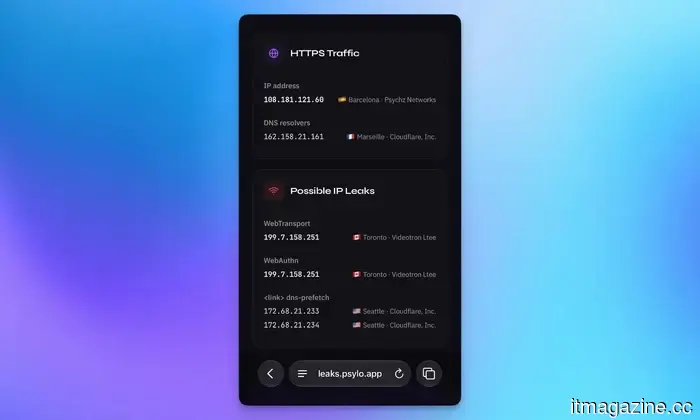
Your actual IP address might be exposed, with passkeys serving as the leak source.
If you subscribe to iCloud+ and depend on Private Relay to conceal your IP address while browsing, this is worth your attention. New research by security experts Tommy Mysk and Talal Haj Bakry, initially reported by 404 Media, indicates that Private Relay does not obscure your IP address as effectively as Apple suggests.
How does this leak occur?
Read more
This innovative technology could simplify identifying counterfeit products for everyone.
Your smartphone might soon be able to determine if a purchased product is fake.
Counterfeit items are becoming increasingly advanced, leading brands to utilize expensive authentication systems often requiring specialized scanners or proprietary hardware. Researchers now assert that smartphones could handle much of this verification work independently. A team has developed a novel printing system that generates responsive anti-counterfeit labels, which are more durable, easier to mass-produce, and can be verified using just a phone. This research was published in the International Journal of Materials and Product Technology.
At first glance, this technology may appear to be a minor enhancement in product security. However, it addresses one of the significant drawbacks of current anti-counterfeit systems: accessibility. If authentication relies on expensive devices, it becomes challenging to implement widely. By facilitating smartphone-based verification, this technology could make counterfeit detection feasible for manufacturers, retailers, and consumers alike.
Read more







Other articles
 This innovative technology might simplify the process of identifying counterfeit products for everyone.
Researchers have created anti-counterfeit labels that can be checked with a smartphone, reaching almost 97.5% accuracy and making product authentication easier.
This innovative technology might simplify the process of identifying counterfeit products for everyone.
Researchers have created anti-counterfeit labels that can be checked with a smartphone, reaching almost 97.5% accuracy and making product authentication easier.
 Apple's iCloud Private Relay may not be as secure as you believe.
Recent studies indicate that Apple's iCloud Private Relay may inadvertently expose your actual IP address via passkeys, and Apple has announced that it is currently looking into the matter.
Apple's iCloud Private Relay may not be as secure as you believe.
Recent studies indicate that Apple's iCloud Private Relay may inadvertently expose your actual IP address via passkeys, and Apple has announced that it is currently looking into the matter.
 Meta displayed advertisements featuring AI-generated content related to child sexual abuse, persistently demonstrating a history of failures in ensuring child safety.
Researchers discovered that Meta's advertisement library contained AI-generated imagery of child sexual abuse, with some instances remaining up even after Meta received warnings, indicating a recurring issue over several years.
Meta displayed advertisements featuring AI-generated content related to child sexual abuse, persistently demonstrating a history of failures in ensuring child safety.
Researchers discovered that Meta's advertisement library contained AI-generated imagery of child sexual abuse, with some instances remaining up even after Meta received warnings, indicating a recurring issue over several years.
 This innovative technology could simplify the identification of counterfeit products for everyone.
Researchers have created anti-counterfeit labels that can be checked with a smartphone, reaching an accuracy of almost 97.5% while making product verification easier.
This innovative technology could simplify the identification of counterfeit products for everyone.
Researchers have created anti-counterfeit labels that can be checked with a smartphone, reaching an accuracy of almost 97.5% while making product verification easier.
WhatsApp is simplifying the process for channel admins to label posts generated by AI.
WhatsApp is試行一個新的標籤,讓頻道管理員能夠標示由人工智慧生成的照片和視頻,以便追隨者始終了解哪些是真實的,哪些是不是真實的。